




Two major breakthroughs offer new hope for pancreatic cancer patients
Updated: Jun 24th, 2026


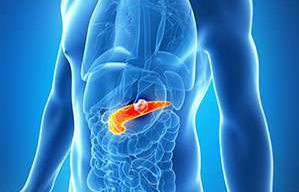
Researchers at the Mayo Clinic Comprehensive Cancer Center have reported two major advances in pancreatic cancer treatment, offering fresh hope for patients battling one of the deadliest forms of cancer.
After decades of limited treatment options and poor survival rates, the latest clinical trial results suggest a significant shift in the fight against pancreatic cancer.
The first development involves Daraxonrasib (RMC-6236), an oral drug designed to target KRAS mutations, which are present in more than 90% of pancreatic cancer cases. In the Phase 3 RASolute 302 trial, the drug demonstrated a median overall survival of 13.2 months, compared to 6.7 months for standard chemotherapy.
Researchers say the therapy works by blocking KRAS-driven cancer growth through a novel mechanism, overcoming a challenge that has frustrated scientists for decades.
The second breakthrough is the FDA approval of Tumor Treating Fields (TTFields) combined with chemotherapy for patients with unresectable locally advanced pancreatic adenocarcinoma (LA-PAC).
TTFields uses low-intensity electrical fields delivered through skin-mounted arrays to disrupt cancer cell growth and improve the effectiveness of chemotherapy.
The approval was based on findings from the global Phase 3 PANOVA-3 trial, which showed improvements in overall survival, progression-free survival, pain management and quality of life.
Researchers believe the non-invasive treatment may also help stimulate the body's immune response against tumors.
According to Dr Hani M Babiker of Mayo Clinic, these advances mark a turning point in pancreatic cancer treatment, particularly for patients with advanced disease who have historically had limited options.
