





Smartwatch bands of popular brands contain cancer causing ‘forever chemicals’: Study
Updated: Jan 28th, 2025


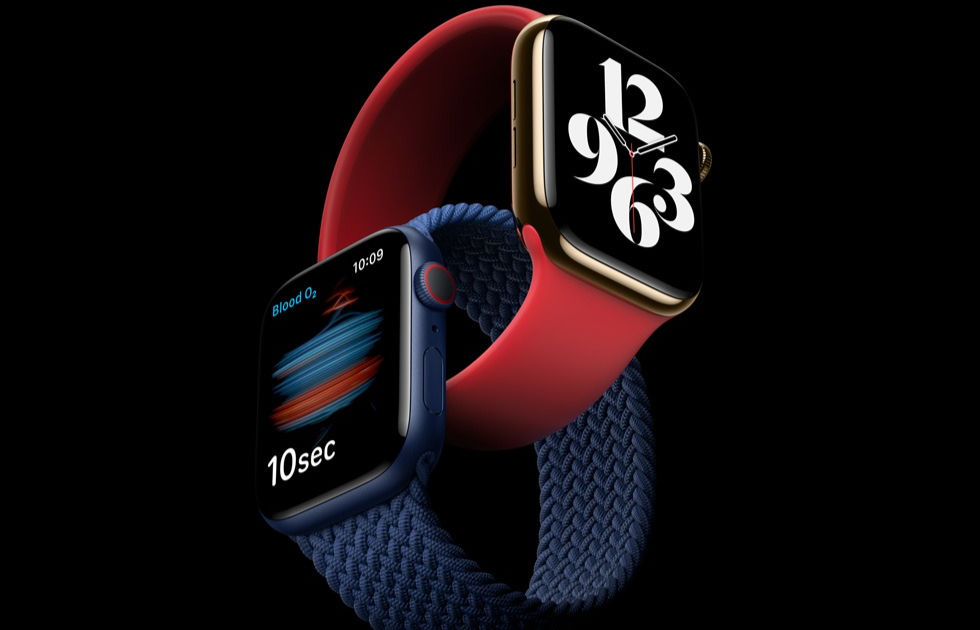
A study on wristbands of popular brands’ smartwatches containing elevated levels of PFAS (perfluoroalkyls) has raised concerns among smartwatch wearers.
The study, ‘Presence Of Perfluorohexanoic Acid In 4 fluoroelastomer Watch Bands’ was conducted by Department of Chemistry & Biochemistry and Department of Physics & Astronomy at the University of Notre Dame, USA, and was published in Environmental Science & Technology Letters.
In the research, according to the University, 22 smartwatches were purchased, used and new, that are available in the US markets. The brands of smartwatches tested included Apple, Apple/Nike, CASETiFY, Fitbit,Google, KingofKings, Modal, Samsung, Tighesen, and Vanjua among others.
The researchers then used two primary methods – LC-MS/MS (Liquid Chromatography-Tandem Mass Spectrometry) and the dTOP (Total Oxidizable Precursor) assay to gauge the PFAS levels.
Additionally, QuEChERS (Quick, Easy, Cheap, Effective, Rugged, and Safe) extraction methodology was also employed for some samples, as per the study.
Out of 22, nine of the smartwatches bands contained elevated levels of PFAS, particularly PFHxA. These smartwatch wristbands contained 1,000 parts per billion of PFHxA, as per the study.
The PFAS are also called ‘forever chemicals’ as they are nearly indestructible, and stay in the environment without degrading for thousands of years.
“Forever chemicals have been linked to multiple health conditions including immunosuppression, hormonal dysregulation, developmental delays in children, low birth weight and accelerated puberty, high blood pressure in pregnant women, and an increased risk of certain cancers, such as kidney and testicular cancer,” wrote Graham Peaslee, a co-author of the study.
Peaslee also wrote on the University website that the elevated levels of PFHxA were more prevalent in higher-priced watchbands, or those costing more than $15.
Safehouse for bacteria
This is not the first time the wristbands of the smartwatches have been under scrutiny. In a study published in August 2023, Apple Watch or the Fitbit wristband was found to be a hotspot for harmful bacteria related to fever, diarrhoea, and a weakened immune system.
According to the study, nearly all Apple Watches and Fitbits were covered in harmful bacteria.
Researchers from the US-based Florida Atlantic University (FAU) tested plastic, rubber, cloth, leather and metal (gold and silver) wristbands in search of a correlation between the material of the wristband and bacteria build-up.
They discovered that 95% of the wristbands were contaminated with potentially harmful bacteria.
Specifically, 85% had Staphylococcus spp, which causes staph infections, 60% had E. coli bacteria, and 30% had potentially lethal Pseudomonas spp.
The gym-goer had the highest bacteria counts for staph infections, which can cause sepsis or even death, emphasising the importance of sanitising wristbands after working out, according to the study.
While activity levels were associated with bacterial growth, the texture of the wristband material was the biggest predictor.
Plastic and rubber wristbands were found to have higher bacteria counts, while metal ones – particularly gold and silver – had little or no bacteria, the study showed.
According to the researchers, plastic and rubber wristbands provide an ideal environment for germs to congregate because their porous and static surfaces attract and allow bacterial growth.
(with inputs from syndicated feed)