




PCOS renamed as PMOS to improve diagnosis and treatment
Updated: May 13th, 2026


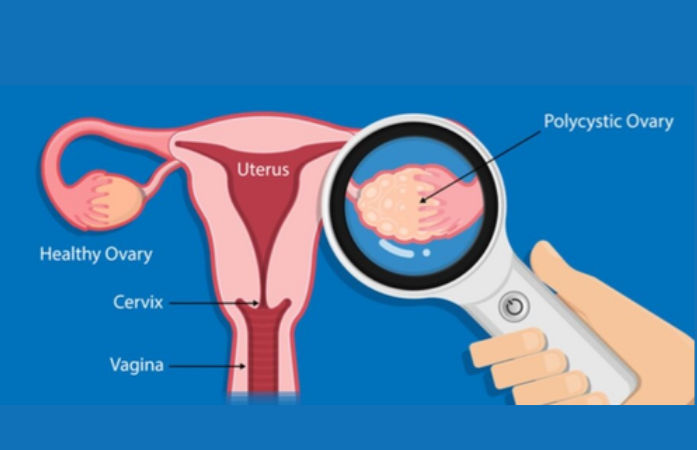
In a major development for women’s health, the condition previously known as Polycystic Ovary Syndrome (PCOS) has officially been renamed Polyendocrine Metabolic Ovarian Syndrome (PMOS).
According to the Society for Endocrinology, the name change aims to improve awareness, diagnosis, and long-term treatment of the condition, which affects more than 170 million women globally.
The decision was taken through a global collaboration under the International PCOS Network after experts concluded that the earlier name was misleading and reduced the condition to being only about ovarian cysts. Researchers said the disorder is actually a complex hormonal and metabolic condition that impacts weight, metabolism, mental health, skin, and reproductive health.
Professor Helena Teede, Director of Monash Centre for Health Research & Implementation and a leading endocrinologist at Monash Health, led the 14-year international effort for the name change. She said research has now confirmed that women with the condition do not necessarily have abnormal ovarian cysts, making the earlier terminology inaccurate.
According to the Society for Endocrinology, the misunderstanding caused by the old name often led to delayed diagnosis, low awareness, and inadequate treatment for affected women. Experts believe the new name better reflects the condition’s broader endocrine and metabolic impacts.
The name change process involved over 22,000 survey responses, multiple international workshops, and collaboration with 56 patient and professional organisations, including the Society for Endocrinology, the AE-PCOS Society, and PCOS UK charity Verity.
The findings and recommendations have been published in The Lancet. Researchers involved in the study also released a related paper stating there is no evidence of increased abnormal ovarian cysts in patients, further supporting the need for the new terminology.
A three-year transition period has now begun, supported by an international awareness and education campaign targeting patients, governments, researchers, and healthcare professionals. The new name PMOS is expected to be fully implemented in the 2028 International Guideline update.
