





New study reveals any amount of alcohol can increase risk of dementia
Updated: Sep 24th, 2025


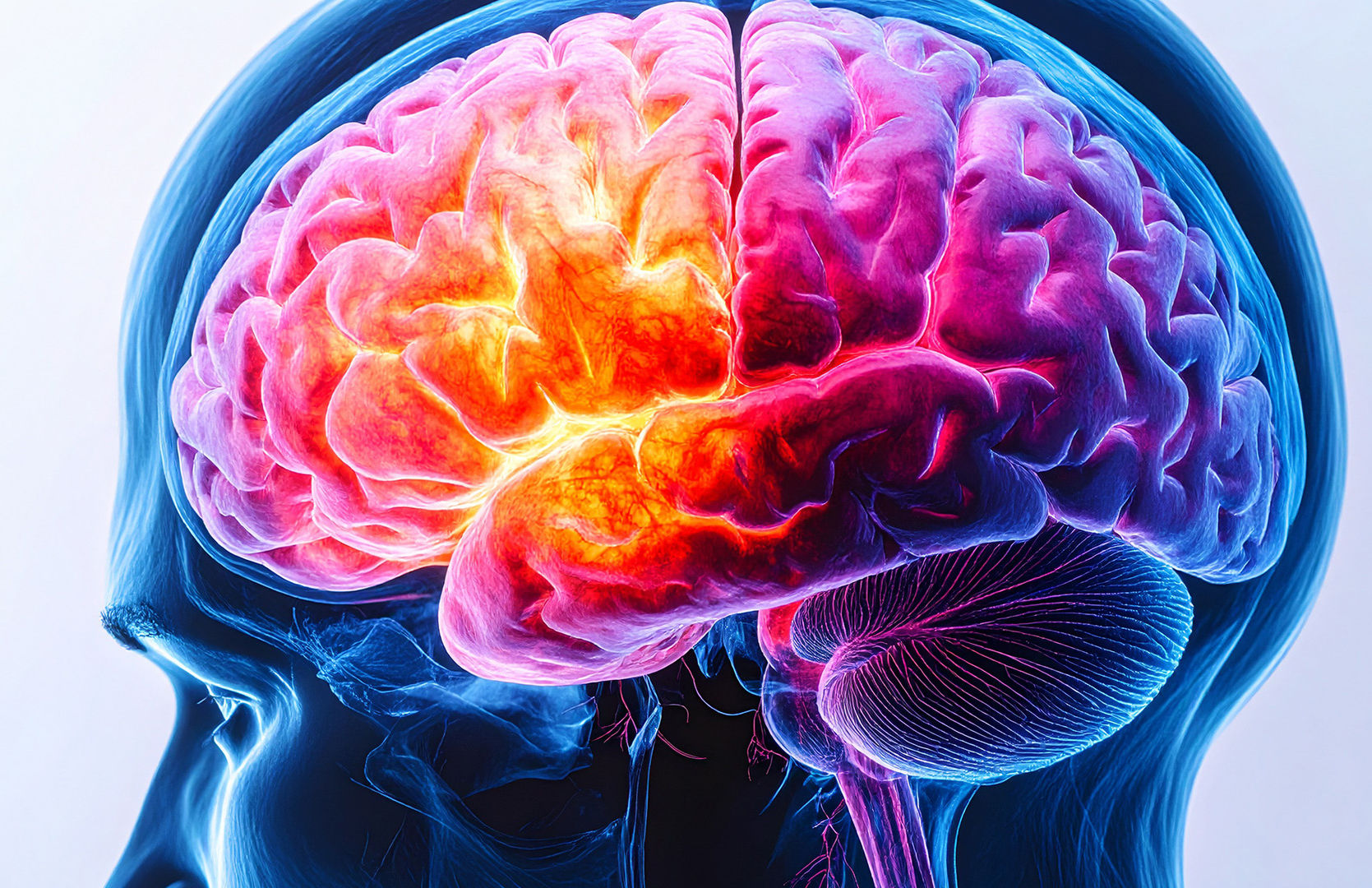
An international study published in the BMJ Journals has found that any amount of alcohol consumption can increase the risk of dementia, challenging long-held beliefs that light drinking may offer some protection.
Researchers examined data from tens of thousands of participants using cohort studies, case-control analyses, and Mendelian randomisation (a genetic method that helps identify causal relationships). During the follow-up period, 14,540 participants developed dementia and 48,034 died.
Traditional observational analyses showed a U-shaped pattern of higher dementia risk among non-drinkers, heavy drinkers (more than 40 drinks per week), and those with alcohol use disorder (AUD). Heavy drinkers had a 41% higher risk of dementia, while individuals with AUD faced a 51% higher risk compared with light drinkers.
However, when genetic data were analysed to remove the influence of early dementia reducing alcohol intake (reverse causation), the results pointed to a consistent, direct increase in dementia risk with every rise in alcohol consumption. A one standard deviation increase in weekly alcohol intake raised dementia risk by 15%, while a twofold increase in alcohol use disorder prevalence increased risk by 16%.
The findings suggest that the apparent protective effect of light drinking in earlier studies may be misleading, driven partly by people reducing alcohol intake as early cognitive decline begins.
Public health experts say the study strengthens the case for reducing alcohol consumption at all levels to help prevent dementia, emphasising that there is no safe threshold for drinking when it comes to brain health.