

Nail Biting and Cheek Chewing: Harmless Habit or Cause for Concern?

Summarized by AI; it may make mistakes. Check important info
Summarized by AI; it may make mistakes. Check important info

You are reading an email, waiting for a webpage to load or staring absent-mindedly out of a train window when suddenly you notice a familiar sting inside your mouth. The inside of your cheek is sore again. Moments later, you catch yourself nibbling at a fingernail that had already survived several attempts to stop the habit.
For millions of people, chewing the inside of the cheeks or biting nails is not a conscious choice but an automatic response that surfaces when the mind drifts elsewhere.
More Than Just a Bad Habit
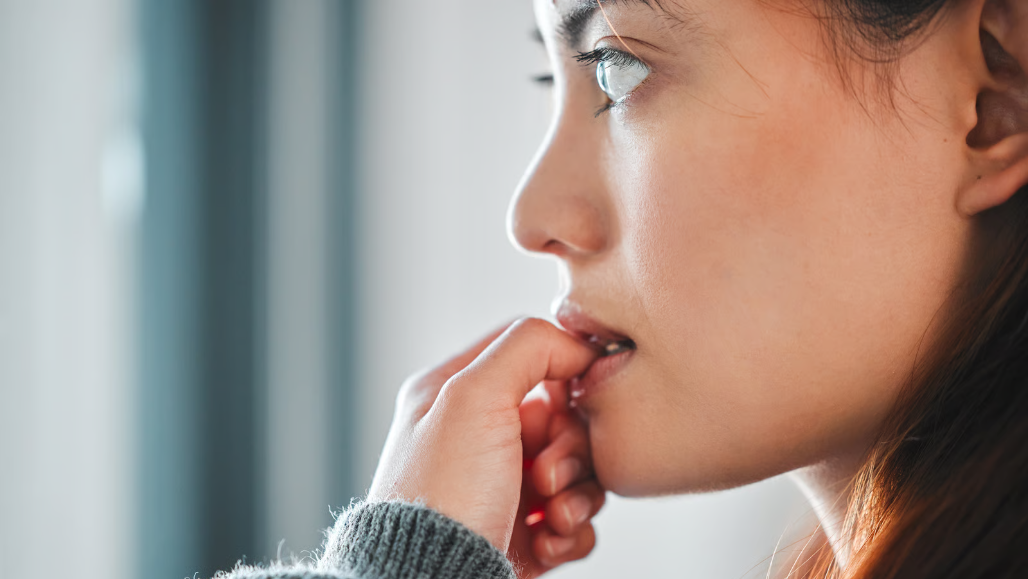
Psychologists often classify these behaviours as Body-Focused Repetitive Behaviours (BFRBs) — repetitive actions directed towards one's own body that occur with little awareness.
While nail biting has long been recognised as one of the most common examples, cheek chewing occupies a less discussed but equally widespread corner of everyday life.
Other common BFRBs include:
- Twirling or pulling hair.
- Picking at the skin around fingers.
- Repeatedly touching the face.
- Scratching or rubbing the same area of skin.
- Clicking pens or tapping fingers continuously.
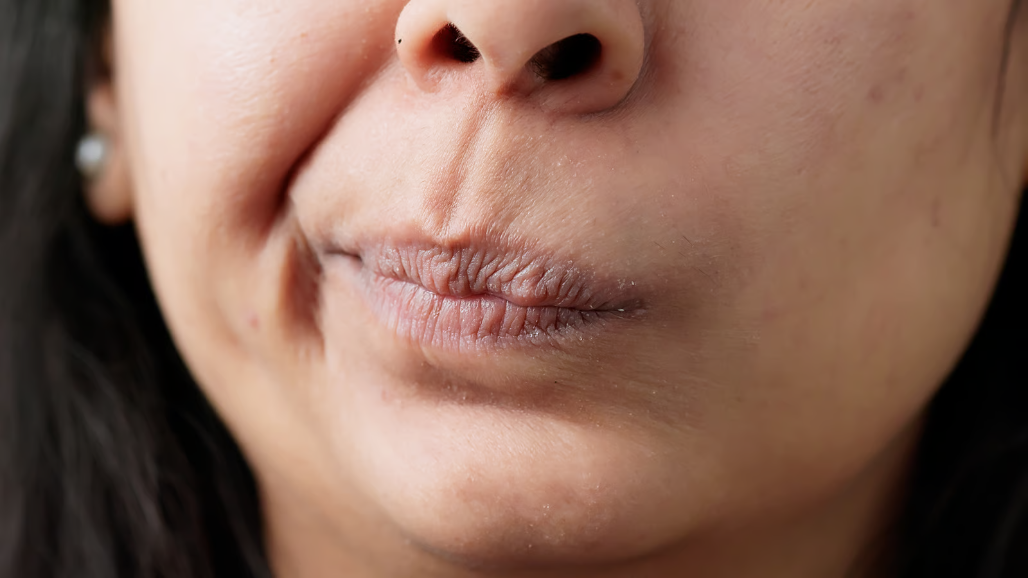
Why Does It Happen When We Are Zoned Out?
The curious aspect is not that people engage in these habits, but that they often do so while mentally elsewhere.
A person may be engrossed in a television programme, concentrating on work, revising for examinations or worrying about an upcoming conversation, only to realise minutes later that they have been chewing the same patch of skin or reducing another nail to the quick.
Experts believe these actions may serve as a form of self-regulation for the brain. Repetitive movements can provide subtle sensory input that helps some individuals maintain concentration, manage stress or channel nervous energy.

Common triggers include:
- Boredom.
- Anxiety or nervousness.
- Fatigue and lack of sleep.
- Long periods of concentration.
- Stressful situations.
- Excessive screen time.
- Waiting or inactivity.
The Digital Age and Restless Minds
The modern workplace and increasingly digital lifestyles have created ideal conditions for such unconscious habits.
Endless virtual meetings, prolonged screen time and constant notifications leave many people mentally engaged but physically restless. The hands and mouth, it seems, find work of their own.
Students revising for examinations and professionals working through lengthy online meetings are particularly likely to recognise the behaviour.
Why Cheek Biting Becomes a Cycle
Cheek chewing can become particularly frustrating because it creates its own trigger.
The skin inside the mouth heals unevenly, producing rough edges that invite further biting. Nail biting follows a similar pattern: an uneven nail catches attention, prompting another bite to "fix" it, only for the habit to continue.
When Should You Be Concerned?
Occasional cheek chewing or nail biting is generally harmless. However, persistent habits may lead to physical problems.
Possible consequences include:
Cheek chewing
- Soreness inside the mouth.
- Mouth ulcers.
- Thickened patches of tissue.
- Increased sensitivity while eating spicy or acidic foods.
Nail biting
- Damage to nails and surrounding skin.
- Minor infections around fingertips.
- Bleeding or soreness.
- Changes to nail shape over time.
Health professionals advise seeking help if the behaviour causes injury, distress or feels impossible to control.
Breaking the Habit
Experts suggest that awareness, rather than willpower alone, is often the first step towards reducing these behaviours.
Some practical strategies include:
- Build awareness of triggers and urges.
- Use a competing response when the urge arises.
- Keep your hands occupied with a fidget or stress ball.
- Modify your environment to reduce triggers.
- Create physical barriers (e.g., gloves, bandages, trimmed nails).
- Practice mindfulness to notice urges without acting on them.
- Manage stress through relaxation or grounding techniques.
- Reward small improvements and be patient with setbacks.
Body-Focused Repetitive Behaviours (BFRBs) are commonly addressed using a structured approach that combines Habit Reversal Training (HRT) with Stimulus Control.
This approach helps you become more aware of the situations and sensations that trigger the behaviour, makes it more difficult to engage in the habit when urges arise, and responds with an alternative action that is incompatible with the behaviour.
A Surprisingly Human Behaviour
Perhaps the most comforting aspect is that these habits are remarkably human. The wandering mind has always searched for quiet outlets – tapping feet beneath desks, twirling hair around fingers or drumming rhythms on tables.
Chewing an inner cheek or biting a nail may simply be another expression of a brain attempting to occupy itself while attention travels elsewhere.
In an age dominated by notifications, deadlines and constant stimulation, these tiny behaviours offer an unexpected reminder: sometimes the body notices our absence long before we do.


