




Manage PMS and menstrual cramps with these simple home remedies
Statistics reveal that around 80% of people who menstruate suffer from period cramps
Updated: Jul 1st, 2023


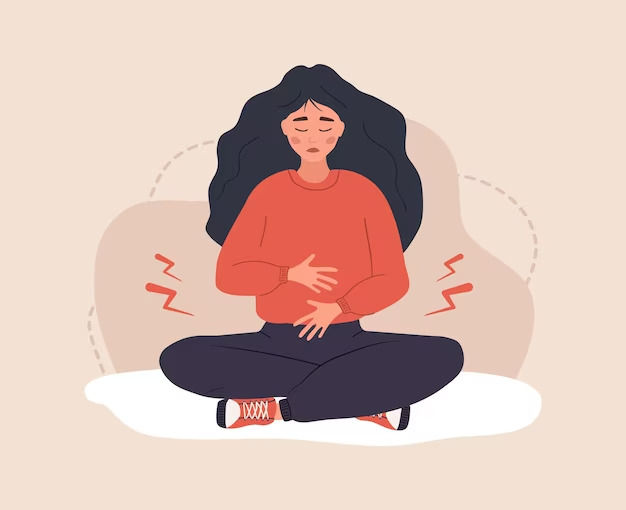
Statistics reveal that around 80% of people who menstruate suffer from period cramps at least once in their lifetime. It is a phase where women feel physically and mentally vulnerable. Menstrual cramps (dysmenorrhea) are throbbing or cramping pains in the lower abdomen and pelvic region.
Premenstrual syndrome (PMS), also popularly known as PMSing, is another demon that torments the mental health of women during periods. During PMS, they can experience a rollercoaster of emotions, mood swings, anxiety attacks, depression, and oversensitivity. It is important to address both physical and mental health, especially during menstruation. Try these simple remedies at home to fight menstrual pain.
Cramps, fatigue, and bloating are the most common problems observed, and these are some remedies to manage them better.
1. Stretching exercises and yoga*
You don’t have to take painkillers to get rid of your period cramps; doing some basic yoga postures can give you much relief. These postures will not only help your stomach, pelvis, hips, and lower back muscles relax but are also effective in relieving the emotional symptoms of PMS. Try these yoga poses to keep period cramps at bay:
Sit in Vajrasana (thunderbolt pose), keeping your spine and head relaxed, and breathe normally for two to five - minutes.
Shashankasana (moon/hare pose): Sit in Vajrasana. Keep your spine and head relaxed, close your eyes, and, by inhaling, lift your arms overhead. Now exhale and bend forward from the hips, keeping buttocks on heels. Touch the floor with your arms. Repeat this pose for three to five minutes and breathe normally during the whole process.
Marjariasana (cat pose): Place your knees hip-width apart and directly under your hips. Place your hands shoulder-width apart and directly under your shoulders. Keep your thighs and arms straight. Inhaling, arch your spine and raise your head. Breathe in for three seconds. Exhaling, curve your spine and lower your head. Contract your abdomen towards your spine. Again, breathe out for three seconds. Do five to ten rounds of the same.
Shishuasana (child pose): Keep a pillow between your pelvic region and stay in that pose for two seconds. Repeat and breathe normally while doing the pose.
2. Heating pads
A 2018 research review noted that heat increases blood flow, which can also reduce pain. When you apply heat to the lower abdomen or lower back, uterine contractions are relaxed, which in turn will act as a big relief for menstrual cramps. Use heating pads or hot water bottles to apply heat to your pelvic region and lower back to ease your pain.
3. Massage therapy
Massage performed in the area above the pubic region and around the navel using lavender oil and eucalyptus oil for 15 minutes in a clockwise direction is believed to reduce the intensity of menstrual pain. Before using essential oils, always perform a patch test on a smaller area of the skin to avoid allergic reactions.
4. Diet
Keep your diet right and solve half of the problems related to your period’s bloating. The best form of food to consume during periods is simple, homemade meals that are low in carbs. Avoid confectionery and sweeteners during menstruation. Try these recipes to relieve period cramps:
Consume hot ajwain-ginger green tea. Add more ginger to your diet during periods. Drink warm beverages, but avoid coffee/caffeinated drinks. Stay hydrated, be it water of fresh fruit juices.
A grandma favourite: chomp on soaked fenugreek seeds. You can also eat one spoon of ajwain, adding a pinch of pink salt/black salt. This will also relieve your period cramps.
Diet rich in calcium, iron and vitamins is essential during periods. Experts suggest a carbohydrate-rich food before the period starts is helpful.
Have a pain-free period! However, take your doctor’s advice when the pain is extreme and paired with excessive bleeding, a fever, or feels suddenly worse than what has been previously experienced.
* Disclaimer: it is advisable to learn the correct techniques and understand when to avoid a certain pose based on an individual’s health/medical condition
For more such updates and news on the go, follow us on
