




Higher intake of processed foods with preservatives may raise risk of cancer
Updated: Jan 8th, 2026


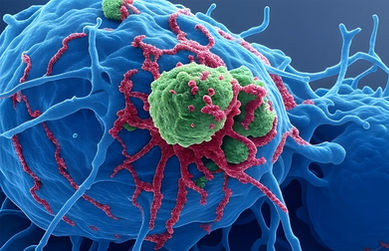
People who eat more industrially processed foods and beverages laced with preservatives, widely used to extend shelf-life, may increase the risk of cancer, according to a study.
The study, published in The BMJ, showed that higher intakes of several preservatives (mostly non-antioxidants, including potassium sorbate, potassium metabisulfite, sodium nitrite, potassium nitrate, and acetic acid) were associated with a higher risk of cancers, compared with risks in non-consumers or lower consumer.
For example, total sorbates, specifically potassium sorbate, were associated with a 14% increased risk of overall cancer and a 26% increased risk of breast cancer, while total sulfites were associated with a 12% increased risk of overall cancer.
Sodium nitrite was associated with a 32% increased risk of prostate cancer, while potassium nitrate was associated with an increased risk of overall cancer (13%) and breast cancer (22%).
Total acetates were associated with an increased risk of overall cancer (15%) and breast cancer (25%), while acetic acid was associated with a 12% increased risk of overall cancer.
Among antioxidant preservatives, only total erythorbates and specific sodium erythorbate were found to be associated with a higher incidence of cancer.
“This study brings new insights for the future re-evaluation of the safety of these food additives by health agencies, considering the balance between benefit and risk for food preservation and cancer,” said the research team from the Université Paris Cité, France.
“At the individual level, public health guidance is already more definitive about the reduction of processed meat and alcohol intake, offering actionable steps even as evidence on the carcinogenic effects of preservatives is evolving,” they added.
While more studies are needed to better understand these potential risks, the researchers noted that several of these compounds can alter immune and inflammatory pathways, possibly triggering the development of cancer.
The study included 1,05,260 participants aged 15 years and older who were free of cancer. A total of 17 individual preservatives were analysed, including citric acid, lecithins, total sulfites, ascorbic acid, sodium nitrite, potassium sorbate, sodium erythorbate, sodium ascorbate, potassium metabisulfite, and potassium nitrate.
During the follow-up period, 4,226 participants received a diagnosis of cancer, comprising 1,208 breast, 508 prostate, 352 colorectal, and 2,158 other cancers.
(This story was taken from syndicated feed and was only edited for style by Gujarat Samachar Digital team)
