




Fatty liver affects nearly 4 in 10 adults in India, finds study published in Lancet
Updated: Mar 4th, 2026


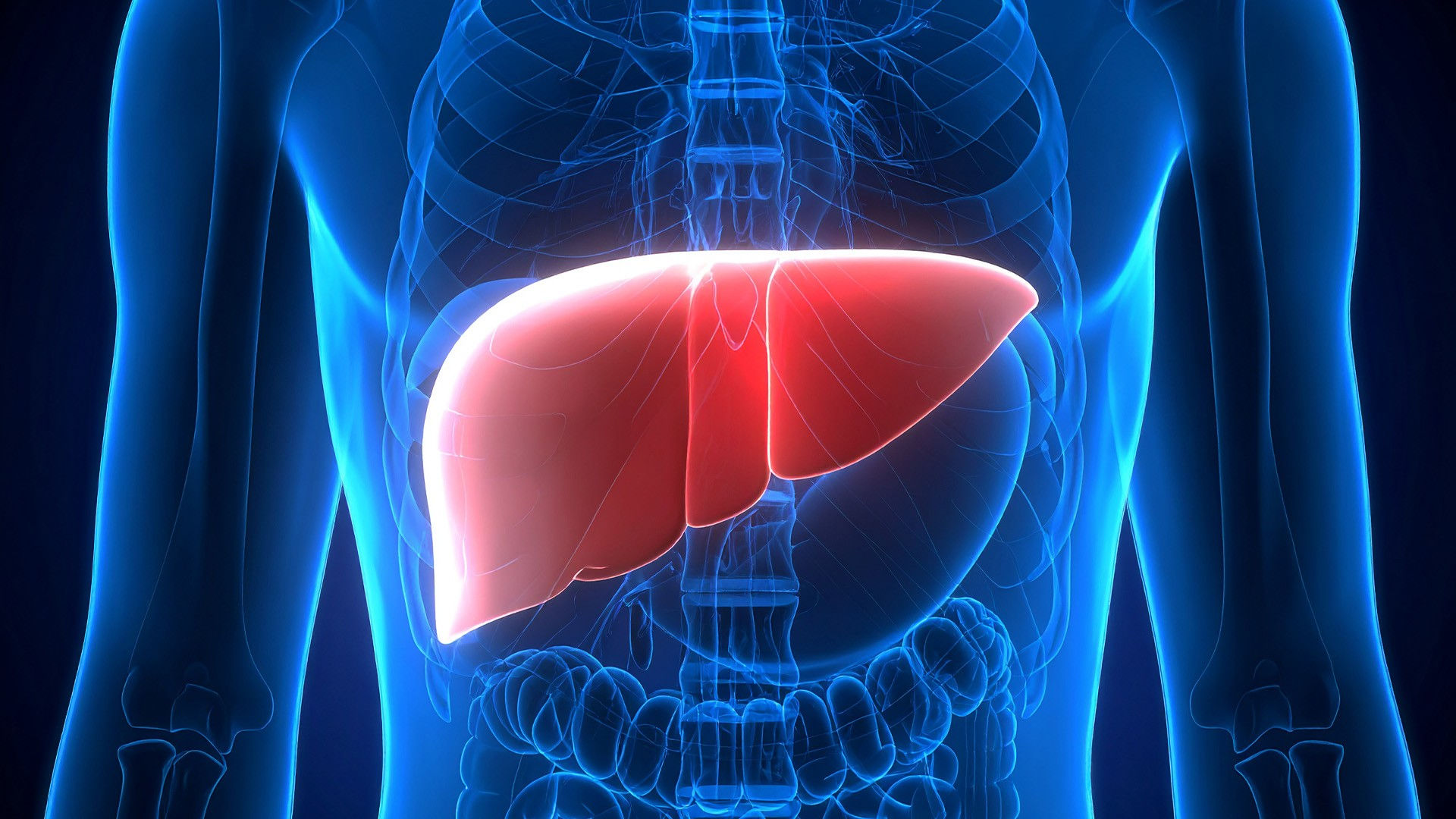
Metabolic-dysfunction-associated steatotic liver disease (MASLD), an updated term for fatty liver, is emerging as a major public health concern in India, with a large community-based study revealing that more than one-third of adults screened showed evidence of the condition, noted a study published in Lancet for Southeast Asia.
The findings are based on data from the study titled ‘Burden of MASLD and liver fibrosis: evidence from Phenome India cohort’, a prospective study involving over 10,000 adults recruited from 37 laboratories of the Council of Scientific and Industrial Research (CSIR) across 27 cities.
After exclusions, 7,764 participants were analysed, offering one of the most comprehensive community-level assessments of fatty liver disease in the country to date.
The study found that 47.8% of the analysed participants met the diagnostic criteria for MASLD. After adjusting for age, the prevalence stood at 38.9%, underscoring the disease affecting the adult population in India.
Researchers also identified a significantly higher burden of liver fibrosis among those with MASLD. Clinically meaningful fibrosis was observed far more frequently in individuals with MASLD compared to those without the condition.
The risk of fibrosis was found to be higher among older adults, particularly those above 60 years of age, and in individuals with diabetes or advanced obesity.
The analysis further pointed out that geography and local lifestyle factors may influence disease risk.
The researchers noted that the high prevalence of MASLD, coupled with evidence of fibrosis in a substantial subset of patients, highlights an urgent need for public health action.
They emphasised the importance of long-term, large-scale studies to better understand regional risk factors and disease progression, along with community-level awareness programmes and targeted interventions to address the growing burden of liver disease in India.
The study was funded by the CSIR under grant HCP47.
