




Virtual hearings set for co-option of women to bar councils on April 26–27
Updated: Apr 26th, 2026


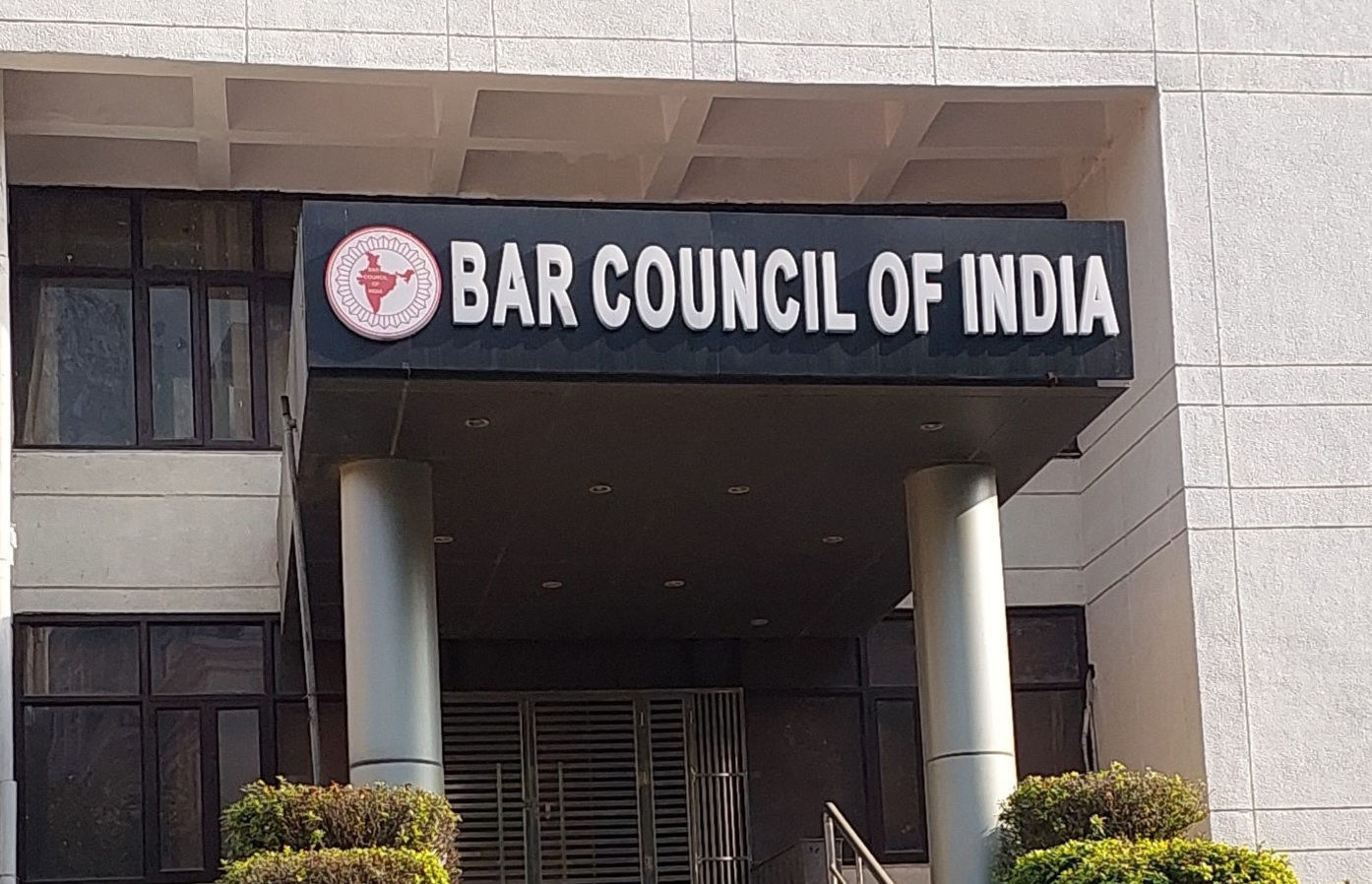
The Bar Council of India has scheduled virtual hearings on April 26 and 27 for the co-option, or appointment, of women lawyers to the Gujarat Bar Council and other State Bar Councils, in a move aimed at improving women’s representation.
Supreme court-directed process
The hearings will be conducted before a High-Powered Election Supervisory Committee, in accordance with directions of the Supreme Court of India. The first session is slated for 11:00 am on April 26, followed by a second session at 5:00 pm on April 27.
Any woman lawyer who is a member of a Bar Association is eligible to participate and present her claim for co-option during the hearings.
Open participation for women lawyers
Anil C. Kella, chairman of the finance committee of the Gujarat Bar Council, said that women lawyers from across the state—including members of the Gujarat High Court Advocates Association and all 282 Bar Associations—may appear before the committee.
He added that stakeholders may also submit their opinions and suggestions to the committee via email as part of the consultative process.
Outreach and notification
The Bar Council of India has circulated the notification regarding the hearings through multiple channels, including email, WhatsApp and other telecommunications platforms, to ensure that information reaches women lawyers across the state.
Delayed council formation
The development comes amid delays in the formal constitution of the Gujarat Bar Council. More than six weeks after the completion of elections and declaration of results, the publication of elected members’ names in the official gazette, as well as the formation of the council’s leadership and committees, remains pending.
Next steps after hearings
The High-Powered Supervisory Committee is expected to finalise the names of two women lawyers to be co-opted into, or appointed to, each State Bar Council after the hearings, in consultation with the Bar Council of India. These names will then be sent to the Supreme Court for approval.
Once approved, the quorum of the respective Bar Councils will be completed. This will be followed by the publication of elected members’ names in the gazette, elections to key posts such as chairman and vice-chairman, and the constitution of various committees.
