





Unsafe tattoos may raise risk of hepatitis in Gujarat, warn doctors
Updated: Sep 20th, 2025


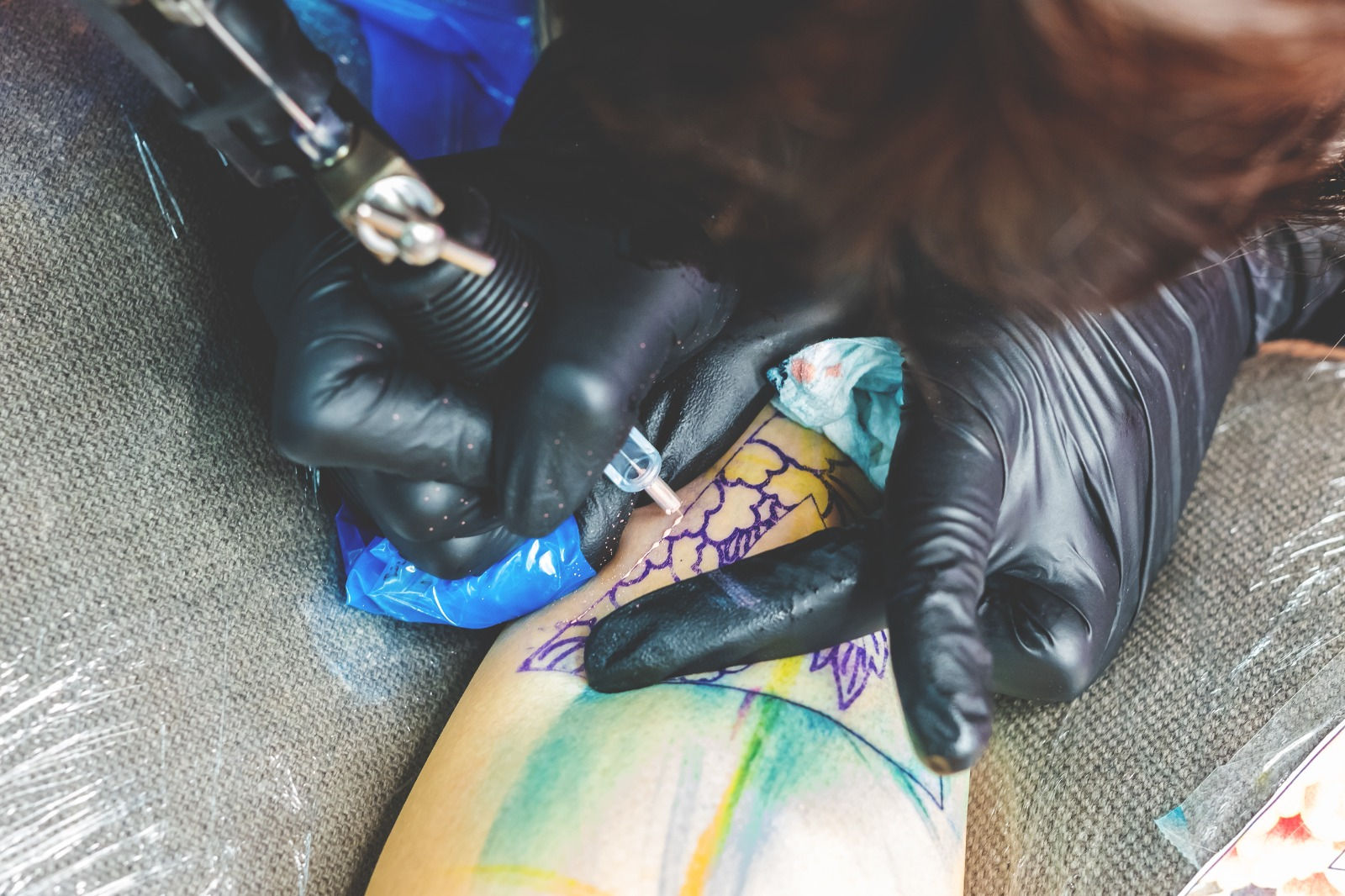
With Navratri approaching, many youngsters are choosing tattoos and body piercings to enhance their festive look. In today’s social media era, the trend is often driven by a desire for online recognition or to emulate celebrities. However, unsafe tattoo practices can increase the risk of hepatitis B, a liver infection that can remain asymptomatic for years. Gujarat currently ranks sixth in India for Hepatitis B cases.
Unsafe tattoos can spread hepatitis B and C
Medical experts warn that tattooing carries a risk of transmitting hepatitis if hygiene standards are not followed.
“Tattooing involves repeatedly puncturing the skin with small needles, which can transmit viruses if contaminated,” said a local physician. So, if a person infected with Hepatitis B or C is tattooed with a needle, and that same needle is reused on another individual, the virus may spread.
Among tattoo recipients, the prevalence of Hepatitis B is estimated at around 3.3%.
Safety tips for getting a tattoo
- Doctors emphasise following strict sterilisation and professional standards to prevent hepatitis transmission:
- Use a licensed tattoo professional.
- Ensure the artist wears clean gloves.
- Confirm the studio is hygienic.
- Branded needles should be used, with a new pack opened in front of the client.
- People with skin allergies or related conditions should consult a doctor beforehand.
ABCs of hepatitis
Hepatitis B spreads mainly through contact with infected blood or body fluids. Common routes include sharing needles for tattoos, piercings, or medical procedures, unprotected sexual contact, and transmission from mother to child during childbirth. It is generally more easily transmitted through blood than Hepatitis C, which spreads primarily through blood, including via shared needles during tattooing or medical procedures. It can become chronic if untreated, and many people may not show symptoms for years.
Hepatitis A, on the other hand, spreads through contaminated food or water. It usually causes a short-term infection and can be detected with a simple blood test. Cases often rise after the monsoon season.
Dubious honour: Gujarat’s Hepatitis B problem
Gujarat has a higher seroprevalence rate of Hepatitis B than the national average. While the nationwide rate is 0.95%, Gujarat stands at 1.2%. For Hepatitis C, the national rate is 0.32%, with Gujarat slightly lower at 0.19%.
Deaths in Gujarat due to Hepatitis B
States with the highest hepatitis B deaths (April–Dec 2024)