




Two dead, crores seized: is Gujarat losing the battle against illegal liquor?
Updated: Jun 4th, 2026


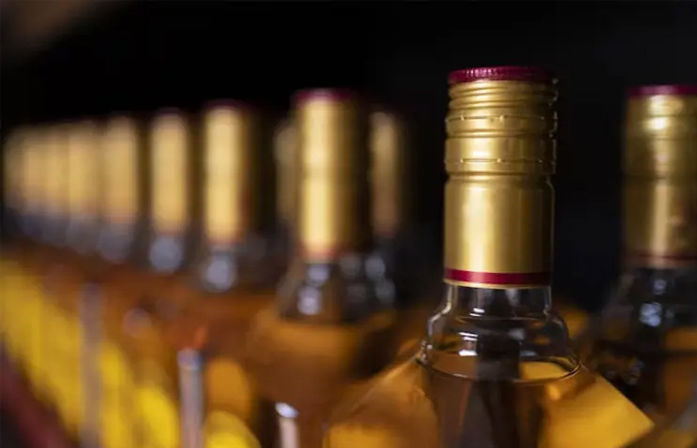
For decades, Gujarat has projected itself as a dry state committed to Mahatma Gandhi's ideals. Yet the recent two deaths linked to suspected illicit liquor in Junagadh have highlighted a recurring contradiction: while liquor remains banned on paper, enforcement agencies continue to uncover vast networks involved in the illegal trade.
Four persons were hospitalised following the incident in Junagadh. The case has sparked renewed debate over the effectiveness of prohibition enforcement in Gujarat, where the sale and consumption of liquor remain banned by law.
The controversy intensified after a liquor trader reportedly claimed that the liquor sold by him was not adulterated and could be tested in a laboratory if doubts remained.
Gujarat Assembly data show that intoxicants worth ₹45.58 crore were seized in the Saurashtra region over the past year; however, the latest incident says otherwise.
Government data further revealed that narcotics, foreign liquor, and vehicles used for smuggling worth a combined ₹93.48 crore were seized across districts including Rajkot, Morbi, Amreli, Bhavnagar, Porbandar, Jamnagar, Gir Somnath and Junagadh during 2025.
Rajkot and Morbi emerged among the districts recording the highest seizures, indicating the scale of the illegal trade operating in the region.
According to the figures, more than 675 vehicles allegedly used for liquor and drug smuggling were seized in Rajkot district alone, with an estimated value exceeding ₹20 crore. In neighbouring Morbi district, authorities seized 222 vehicles valued at more than ₹8.22 crore.
Social activists and locals argue that the social cost of the illicit trade is borne primarily by poor and middle-class families. They warn that addiction and substance abuse are increasingly affecting economically productive sections of society, particularly in industrial centres such as Rajkot and Morbi.
