

Technology, Hope and Second Chances: Free 3D Prosthetic Camp Brings New Possibilities to Hundreds in Ahmedabad

Summarized by AI; it may make mistakes. Check important info
Summarized by AI; it may make mistakes. Check important info

The atmosphere at Gujarat University's Navrangpura campus on Sunday reflected both resilience and optimism as hundreds of amputees and people with congenital disabilities attended a free medical assessment camp organised by Narayan Seva Sansthan.
Scale of the Initiative
The one-day assessment camp recorded participation from more than 450 beneficiaries. Digital scans for customised 3D prosthetic sockets were completed for 327 amputees, while 33 patients were shortlisted for free corrective surgeries.
Medical teams also evaluated individuals with conditions including polio, cerebral palsy, spina bifida, meningomyelocele, clubfoot and other bone deformities.
Those who underwent scanning will receive their customised prosthetic limbs in the coming months. For many participants, the intervention represents more than a medical device—it could mean greater mobility, improved employment opportunities and a renewed sense of independence.
Beneficiaries scanned will receive their finished, custom-built prosthetics over the coming months offering many their first real shot at restored mobility, steady employment, and renewed independence.
Beyond routine check-ups, the camp offered many participants the possibility of improved mobility through advanced 3D-printed prosthetic technology and corrective surgeries.
Getting Life Back on Track
For 40-year-old Sangeeta Ben from Maninagar, the camp represented more than medical assistance—it offered the hope of reclaiming independence. After losing her leg in a railway accident in Surat, she spent nine months in hospital before being abandoned by her husband and in-laws. Today, she supports her three children by running a small grocery shop.
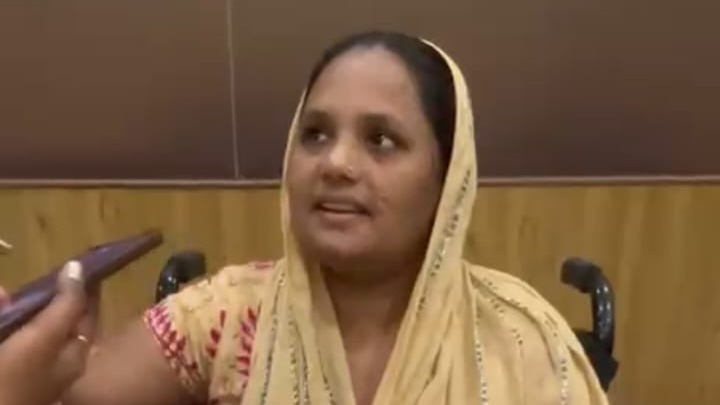
"I don't want sympathy. I only want to stand on my own feet again and live with dignity," said Sangeeta Ben
From Accident to Gold Medals
Similar stories of perseverance were shared throughout the venue. Twenty-five-year-old Anjali from Chandlodia lost both her legs in a 2018 railway accident shortly after completing her Class 12 examinations.
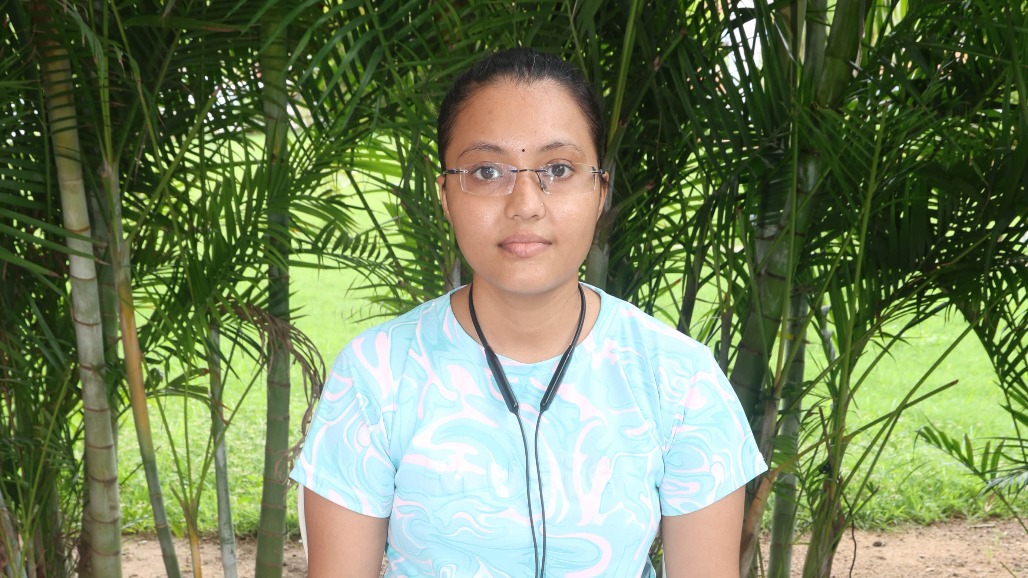
Despite undergoing five surgeries, she completed her M.Com., became a national-level para-fencer, won two national bronze medals and secured three consecutive gold medals at the Khel Mahakumbh.
Young Life Saved
Meanwhile, Gauraiya Chandini, 18, from Amreli, who lost her leg in a rickshaw crash, rebuilt her life after a year of isolation and now works at Reliance while pursuing her degree.
Why 3D-Printed Prosthetics Matter
According to Dr. Manas Ranjan Sahu, Head of Prosthetics and Orthotics, conventional plaster-cast prosthetics often create long-term complications because achieving an accurate fit is difficult. Poorly fitting sockets can trap moisture, create pressure points, cause fungal and skin infections, and, in severe cases, lead to bone infections. The discomfort frequently discourages users from wearing their prosthetics consistently, affecting their ability to work, remain socially active and seek timely medical care.
The camp addressed these challenges by replacing traditional casting methods with digital scanning. Each limb was scanned electronically, allowing specialists to create computer-designed sockets that can be manufactured through 3D printing. The resulting prosthetics are lighter, more precisely fitted and designed to reduce friction, improve comfort and lower the risk of pressure-related injuries.


