





₹4,800 crore toll revenues, but Gujarat’s citizens battle broken roads
Updated: Sep 15th, 2025


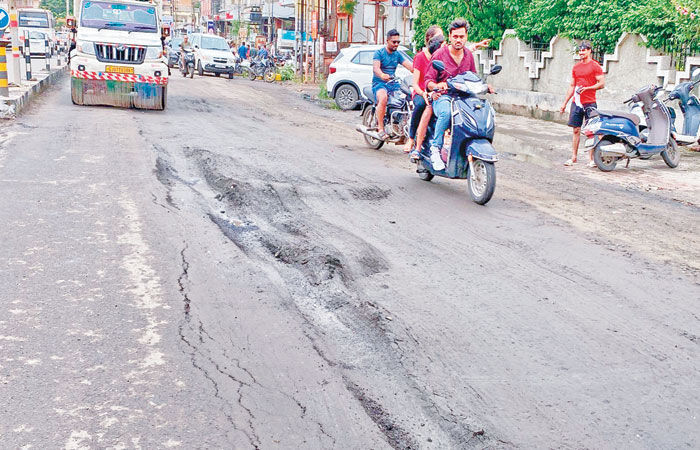
Heavy monsoon rains have left highways, state roads and village routes across Gujarat in disrepair, with some national highway stretches taking nearly an hour to cover 10 km. Residents say journeys are painful and dangerous, particularly for pregnant women and older passengers.
The state’s highways generated ₹4,851 crore in toll revenue last year—about ₹13 crore a day—placing Gujarat fifth nationwide behind Uttar Pradesh, Rajasthan and Maharashtra. Yet commuters report “back-breaking roads and fragile, paper-thin bridges”. Many travellers complain of vehicle damage, tyre bursts and suspension failures after driving over cratered stretches.
Motorists also note that even before the rains, many roads were already patchy or uneven. “It feels like the monsoon just exposes what’s already wrong,” said a commuter in Ahmedabad.
Protests force temporary toll suspension
Public anger is spilling over. In Kutch, the transport industry launched a “No road, no toll” agitation, halting thousands of vehicles along a 30 km stretch near Bhachau. The National Highways Authority of India (NHAI) responded by suspending toll collection at the Samakhiyali, Surajbari, Makha and Makhel plazas until 15 September.
Similar demonstrations have erupted elsewhere. In Anand district, villagers from seven villages blocked the Umreth route demanding new construction. In Palanpur, residents held a mock funeral of the municipal body, chanting “Ram bolo bhai Ram,” after repeated complaints went unanswered. Vadodara citizens threatened to lock the municipal office, while in Junagadh a young man lay at the municipal gates to highlight potholes and poor sanitation.
Clashes and accidents on hazardous stretches
Frustration has sometimes turned violent. Near Bakutra village in Patan’s Santalpur area, toll-booth staff allegedly attacked a motorist and his family with sticks when they protested the road condition, injuring three people, including a father–son duo from Tharad.
Crater-filled highways pose serious risks. On the Sanathal–Bagodara route in Ahmedabad, three heavy vehicles were damaged and two overturned after hitting massive potholes. In Morbi district, huge craters and waterlogging on the Maliya-Kutch and Maliya-Ahmedabad highways cause frequent traffic jams, delaying freight deliveries. Truck drivers say insurance claims are rising because of accidents on these stretches.
More than 120 roads remain closed
Although the rains ended a week ago, 127 roads are still closed: six state highways, three national highways, 107 panchayat roads and 11 other routes. Banaskantha accounts for 25 closures, followed by Porbandar with 17. Transporters say detours add several hours to trips and raise fuel costs, further straining an industry already grappling with high diesel prices.
Communities take repairs into their own hands
With official responses slow, some villagers are building their own roads. Residents of Turkheda in Chhotaudepur’s Kavant taluka constructed a motorable path after repeated appeals failed. In Jamnagar district, citizens launched a 16 km “Sadak Sudharo” padyatra to demand urgent repairs.
Local leaders say such community efforts highlight the frustration. “If authorities can’t fix basic infrastructure, people will do it themselves,” said a participant in the Jamnagar march.
Kutch pays high tolls for crumbling roads
Kutch has Gujarat’s highest number of toll plazas—seven in total—collecting about ₹4 crore daily. Despite being an industrial hub with two major ports, the Bhuj–Banaskantha route via Ghaduli–Santalpur remains in poor condition. Only after transporters’ protests did authorities promise repairs within a week.
Freight operators warn that poor roads threaten the region’s economy, slowing shipments of salt, minerals and manufactured goods. Port officials say delays ripple through supply chains, increasing costs for exporters.
Calls for accountability grow louder
Citizens across Gujarat say they are tired of paying for roads that leave vehicles damaged and travellers in pain. Lawyers and civic activists are urging the state to link toll rates to road quality and to publish clear maintenance schedules.
Urban planners argue that without stronger monitoring of contractors and quicker post-monsoon repairs, the cycle of damage and protest will continue. With another monsoon less than a year away, residents say they are demanding not just promises but proof that the crores collected in tolls will finally translate into safe, durable roads.