




Regulatory burden threatens Gujarat's small pharma units
Updated: Sep 26th, 2025


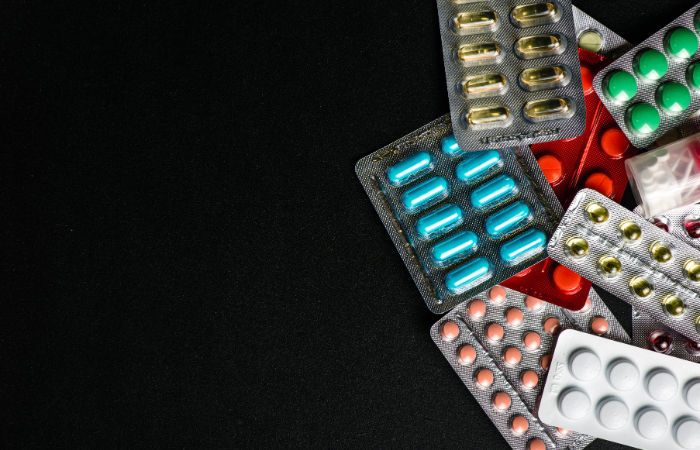
A wave of new regulations could sound the death knell for small drug manufacturing units across the country, leading to significant job losses and jeopardising India's standing as a global pharmaceutical hub. Simultaneously, several essential medicines, including those that control blood pressure, sugar control, and common antibiotics, could disappear from the market, posing a major threat to public health.
MSMEs stare at losses
It is estimated that India has 10,500 Micro, Small and Medium (MSME) pharmaceutical units, with roughly 3,000 located in Gujarat. These units collectively contribute a substantial 40%of domestic drug availability. Over 30 pharma associations, including The Drug Marketing and Manufacturing Association (DMMA) and other regional and national groups, have urgently appealed to Union Health Minister J P Nadda for intervention.
The most critical of the seven proposed regulatory changes is a directive mandating bio-equivalence (BE) studies. This requires studies to be conducted even on drugs that have been safely manufactured and used in the country for two decades or more.
"The directive lacks credibility," stated Amit Thakkar, president of DMMA. "Each study costs between ₹25 lakh to ₹50 lakh, and MSMEs often have more than a dozen different drug formulations in production. This constitutes an enormous financial burden. Furthermore, these studies require both laboratory and human trials, and we lack the necessary volunteer manpower to serve as subjects."
Potential job losses
Vikram Chandwani, DMMA general secretary, emphasised its severe impact: "Each of these issues place an immense strain on companies that have reliably supplied quality, affordable medicines for decades. Without immediate regulatory relief, a large number of MSME pharma manufacturing units will be forced to close down. Jobs will vanish, and exports will decline, putting the very future of the Indian pharmaceutical industry at risk."
Gujarat, which is home to approximately 3,000 pharmaceutical manufacturing units (over 90% of which are MSMEs), accounts for one-third of India's pharmaceutical turnover and 28% of its exports. The DMMA highlighted that these units worked tirelessly through crises, including the Covid-19 pandemic, to ensure a continuous medicine supply.
Regulations need to be eased
The association called for an end to the constant stream of regulatory circulars that create operational unpredictability and demand high capital investment.
A major concern is the Revised Schedule M (Good Manufacturing Practices) requirements, set to take effect from January 1, 2026. The DMMA warned that the expanded scope and costly upgrades, notified without addressing the MSME sector's objections, could force 4,000–5,000 units to close. They are demanding that the deadline for companies with a turnover of less than ₹50 crore be extended until April 2027.
DMMA also expressed objections to risk-based inspections that they claim selectively target MSME units while sparing large corporations, and to the practice of shutting down plants based solely on a manufacturer's own corrective action report, even when no critical safety lapses are found.
President Amit Thakkar concluded: "Micro, small, and medium enterprises are the backbone of India's pharmaceutical industry, but they are being crushed by an endless barrage of regulatory circulars that undermine the government's own 'Ease of Doing Business' agenda. While MSME manufacturers will be hit the hardest, these measures will also cause shortages of affordable medicines and erode our export competitiveness, potentially allowing other countries to overtake India in global markets."
