




Railways cannot recover deceased employee's dues from widow’s family pension: Gujarat HC
Updated: May 1st, 2026


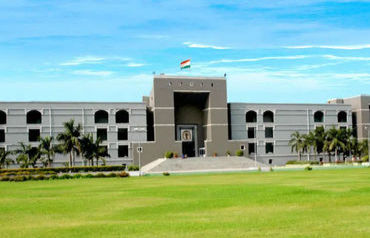
In a ruling that protects the financial security of bereaved families, Gujarat High Court has held that the railway administration cannot recover a deceased employee's outstanding dues from the family pension of their surviving spouse.
The case originated from the service of K V Damodaran, a former railway employee charged in 2004 with gross negligence and failure to maintain proper accounts. Following his medical retirement and subsequent death on August 17, 2008, a revisional authority imposed a penalty reducing his Death-cum-Retirement Gratuity (DCRG) by 50% due to a massive alleged stock shortage of ₹50,60,416.
In 2012, the Indian Railways attempted to recover this outstanding amount by deducting funds from the family pension and dearness relief of his widow, Samjathaben.
The division bench took note of the Railway Services (Pension) Rules, 1993 rule 15 that this provision only allows recovery from the "railway servant" and does not extend to the family pension granted to a legal heir on a completely different entitlement.
The bench emphasised that a family pension is intended to enable surviving heirs to sustain themselves and is not an "estate" left behind by the employee available for debt recovery.
The railways cannot be permitted to recover either the dearness relief or any part from the family pension to satisfy or adjust the dues of the deceased railway servant," the court stated. The court further ordered the railways to return any amounts recovered from the widow during the litigation period.
The high court dismissed Indian Railways' petition and upheld a previous Central Administrative Tribunal (CAT) order.
