




‘Quality education key to India’s growth’, says EAM Jaishankar at Anand university
Updated: Apr 16th, 2025


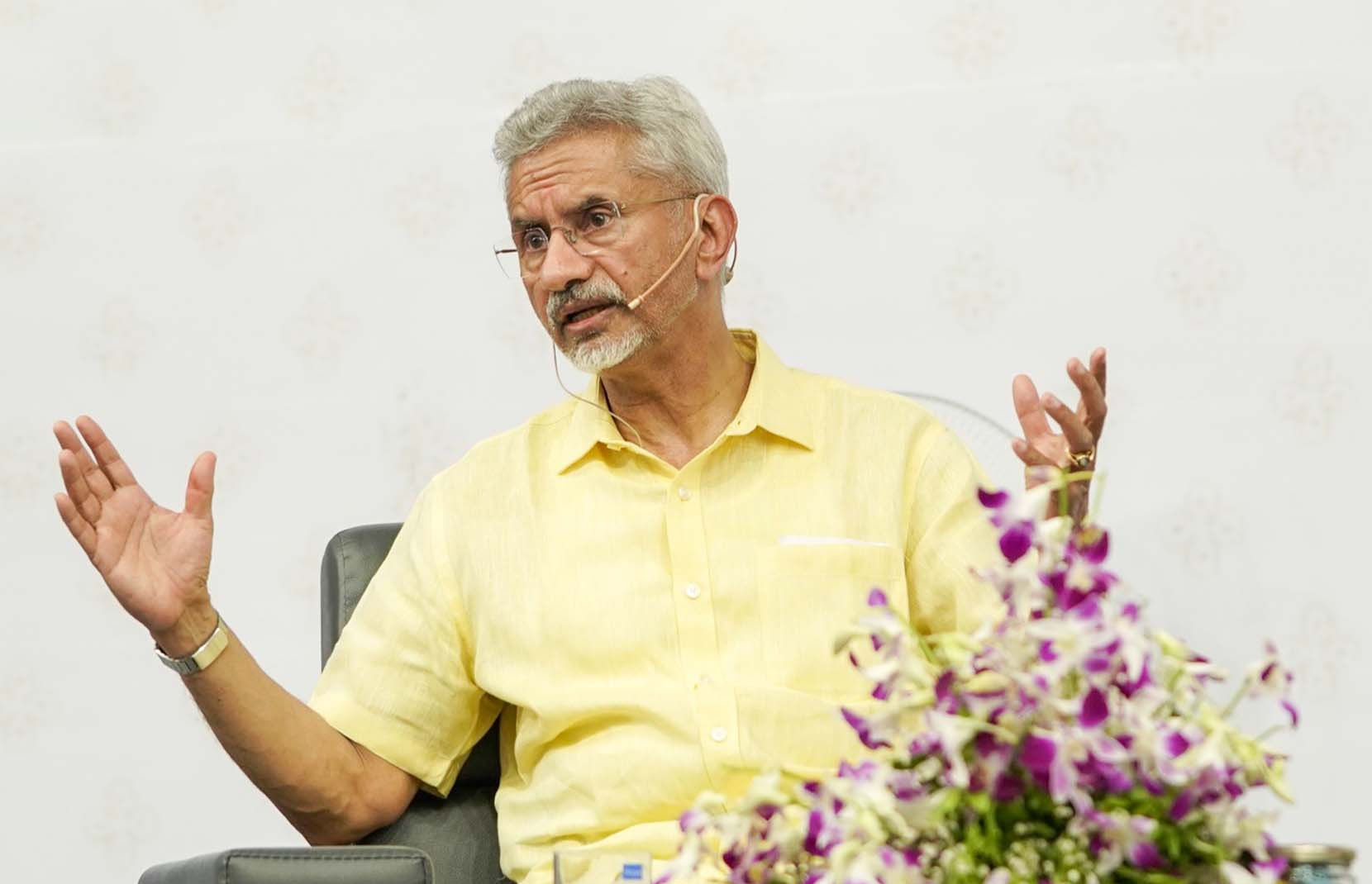
An interactive session was held at a university in Anand, Gujarat, where India’s External Affairs Minister, S Jaishankar, addressed students on Tuesday. He emphasised that one of the key indicators of a nation’s development and progress is the presence of good universities. According to him, without quality educational institutions, a country cannot truly be considered developed.
Speaking on international issues at the Charotar University of Science and Technology (CHARUSAT), Jaishankar remarked that while Pakistan is known globally for ‘International Terrorism (IT)’, India is recognised for ‘Information Technology (IT).’ This sharp comparison highlighted the differing global perceptions of the two neighboring countries.
He noted that universities reflect a nation’s real economy and society, and the existence of strong educational institutions signals a progressive nation. During his speech, he also recalled the leadership and patriotism of Sardar Vallabhbhai Patel, especially his strategic thinking on China and efforts to unify the nation.
Touching on the role of Indian youth globally, Jaishankar said that the connection between India and the world has grown significantly. Due to their talent and skills, Indian youth are being welcomed on global work platforms, including in countries like Germany and the United States, which have wealth, power, and advanced technology.
On the issue of Pakistan, he stated that India has changed, but while Pakistan claims to have changed too, their negative habits remain. He criticized Pakistan for playing a double game with countries like the US and in matters involving Afghanistan and the Taliban.
He said the world is now realising these deceptive tactics, which are leading to adverse consequences for Pakistan. Referring to the 26/11 Mumbai attacks, he called it a major turning point for India, sparking public outrage and firm resolve against such acts from neighboring countries.
Regarding the Russia-Ukraine conflict, Jaishankar explained that during the war, there was pressure from Western countries for India to boycott Russia.
However, India noticed that those same countries continued to import goods from Russia for their own benefit, while pressuring India to stop buying petrol. India chose to act in its national interest and continued oil imports, which helped keep fuel prices under control and benefited the people.
