




Plastic waste turned into benches, sculptures, used to generate electricity: AMC to HC
Updated: Mar 6th, 2026


The Gujarat government informed the Gujarat High Court on Thursday that significant strides have been made in plastic waste management across the state's Urban Local Bodies (ULBs), as part of an ongoing Public Interest Litigation (PIL) addressing plastic pollution and waste disposal.
Advocate General Kamal Trivedi, representing the state, submitted that as of January 2026, 132 out of 152 nagarpalikas (ULBs) have established plastic waste storage and processing facilities. Agreements for plastic waste management and disposal have been executed in 133 ULBs, while enforcement actions under the plastic bag ban have been reported in 150 nagarpalikas.
The government further stated that ULBs have been granted a one-month period to install and operationalise Material Recovery Facilities (MRFs).
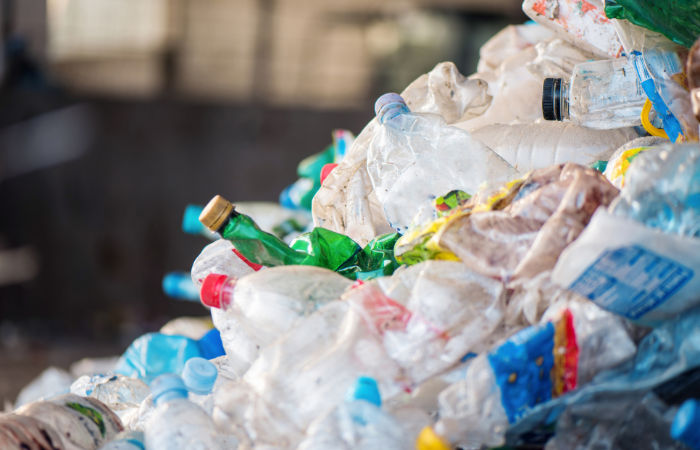
Representing the Amdavad Municipal Corporation (AMC), the government pleader detailed ongoing efforts to upscale plastic waste management. Segregated plastic waste is collected at MRF facilities, processed, and converted into useful products such as dustbins, benches, and street furniture.
Notably, all benches along the west bank of the Sabarmati River are made from upcycled plastic. Additionally, two large permanent peacock installations at the city's flower show have been crafted from upcycled plastic.
The court responded positively, observing that the Commissioner of municipalities could share these successful models with other major corporations interested in similar implementations.
The AMC also highlighted its waste-to-energy project, where it has awarded a contract under a Public-Private Partnership (PPP) model to generate electricity from 1,000 metric tonnes of municipal solid waste daily. The plant, developed at a cost of ₹375 crore, provides employment to around 700 people.
Furthermore, the AMC continues to promote reverse vending machines (RVMs), which shred plastic bottles and offer incentives such as token credits or cloth bags to users.
These updates align with the court's earlier directives during previous hearings, where it instructed the AMC to explore ways to collect single-use plastic water bottles through RVM installations at high-footfall public locations. This includes festivals like the flower show and kite festival, as well as tourist attractions, picnic spots, public parks, and gardens with regular large gatherings.
The court had emphasised that tackling plastic litter in and around such areas should be a major AMC priority, especially given the frequent organisation of public events.
In its earlier compliance affidavit, the AMC reported distributing a large number of cloth bags to approximately 1,050 fruit and vegetable vendors. Officers have engaged with vendors and associations to declare their markets 'plastic-free'.
Efforts have also targeted 10 major fruit and vegetable markets and 34 local clusters in internal lanes and roads to sensitise vendors and customers towards making their markets plastic-free.The matter is now scheduled for the next hearing on April 25.
