





People from Bihar, Bengal detained as illegal Bangladeshis in Gujarat Police goof-up, later released
Updated: Apr 28th, 2025


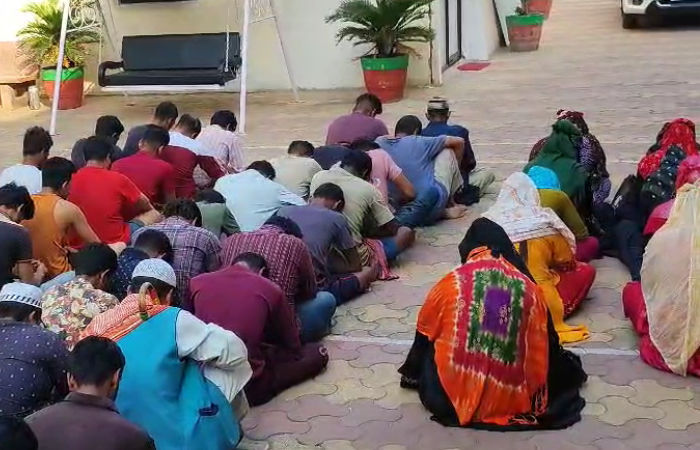 |
| Representative image |
Gujarat Police ‘mistakenly’ detained people from Bihar and Bengal in the ongoing operation to drive out illegal Bangladeshi immigrants.
As per reports, Bihari and Bengali individuals were rounded up. They were mistakenly identified as Bangladeshis based solely on their language.
Despite having valid documents such as slum numbers and voter ID cards, many migrants were apprehended, but after verification of documents, most were released.
Gujarat Police was lauded for the detention of over 400 Bangladeshis this weekend. In a rush to showcase their efforts, the police made some errors.
Ritu Jaiswal, a women’s leader of the Rashtriya Janata Dal (RJD), tweeted that four youths detained under suspicion of being Bangladeshis were actually from Bihar — specifically from the village of Baya. She urged the Bihar government to immediately contact the Gujarat government and ensure that innocent Bihari youths are not harassed.
She also shared their names and Aadhaar card details. Her tweet brought this issue to national attention, raising serious questions about Gujarat Police’s actions.
“Today in Gujarat, around 500 people have been detained after being labelled as infiltrators. Various kinds of news are running in the media regarding this. Some are calling them Bangladeshis, while others are calling them illegal immigrants. But unfortunately, some young men from my constituency, Parihar Assembly, specifically from Baya Panchayat, have also been caught up in this action,” wrote Jaiswal on X.
“They had gone to Gujarat to earn a livelihood for themselves and their families. They too have been detained by being called Bangladeshis. The Sarpanch of Baya Panchayat, through an official letter, has identified these young men and has clearly stated that all of them are citizens of India and residents of the state of Bihar,” she added.
The Gujarat Police had launched an operation to filter out illegal Bangladeshi immigrants carefully. In Ahmedabad, areas like Chandola Lake, Shah Alam, Siyasat Nagar, Nawab Nagar, and Phul Giri’s huts are believed to be the hubs for migrants.
Many families from other Indian states have been residing in Gujarat for years — their children were born in Gujarat, their marriages took place there, and they have been engaged in local businesses and labour work. Although most families have slum numbers from the 2011 Slum Survey, ration cards, voter IDs, and Aadhaar cards, some lack birth certificates, leading to suspicion.
Most people from Bihar and West Bengal speak the Bengali language, which led police to mistake them for Bangladeshis. However, after document verification, police released several detained migrants.
A number of those detained turned out to be Indian citizens and were released after investigation. Following these events, many migrants who had come for livelihood are now leaving Gujarat, causing crowding at railway stations.
More than thousand people were rounded up on Saturday morning under the suspicion of being Bangladeshis from the Chandola Lake.
They were cordoned off with ropes and paraded to the Kankaria Football Ground, where they were made to sit under the harsh summer sun.
According to the Supreme Court, parading the accused is against human dignity and is illegal. Although many had proper documents that were later verified and released late at night, the question remains– why were innocent people paraded like criminals? Legal proceedings are now underway to bring this matter before the Gujarat High Court, as per reports.
According to some NGO workers, one Aamir Siddique Sheikh was detained earlier by the SOG on charges of being a Bangladeshi. Rashidaben Sheikh had filed a petition in the Gujarat High Court, and after a two-and-a-half-year legal battle, the court declared Aamir and 44 other families innocent, confirming their Indian citizenship.
Shockingly, even these families — previously declared innocent by the high court — were detained again as Bangladeshis.
Also read: