




Over 400 abandoned senior citizens in Ahmedabad seek legal help against children
Updated: Apr 6th, 2026


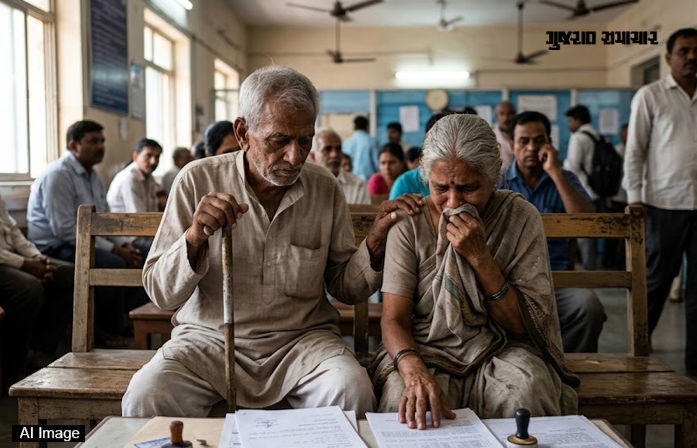
What was once unheard of, is now becoming an increasing concern in Gujarat’s megacity, Ahmedabad, as senior citizens turn to authorities for relief from alleged mistreatment by their own children.
In five years, as many as 452 senior citizens have approached Ahmedabad’s Deputy Collector, seeking relief from alleged physical and mental harassment by their children, and help for their basic upkeep.
The cases are being filed under the Maintenance and Welfare of Parents and Senior Citizens Act, 2007, which was enacted to safeguard elderly individuals from neglect and exploitation by family members. The law allows senior citizens to submit complaints before the Sub-Divisional Magistrate (SDM), who can order children to provide for care and financial support.
Officials say that while such complaints were relatively rare in earlier years, there has been a sharp rise recently. In West Ahmedabad, the number of cases increased from 23 in 2021 to 85 in 2025, nearly a four-fold rise. In East Ahmedabad, complaints rose from 33 in 2021 to 52 in 2025.
Authorities attribute the trend to changing social dynamics, including the shift from joint family systems to nuclear households and evolving family values.
Following a complaint, the SDM hears both parties before issuing orders, which may include directing children to care for their parents and provide monthly maintenance ranging from ₹5,000 to ₹10,000. The process typically takes two to three months for resolution.
Sources familiar with such cases note that incidents of neglect are more prevalent in urban areas. In some instances, parents who have spent their lives supporting their children’s education and careers, including sending them abroad, later find themselves abandoned or without financial support.
There have also been cases where elderly parents are denied basic necessities such as food, despite their children earning substantial incomes. Disputes among siblings over responsibility for elderly care is another common issue, particularly in families with two or more children.
