




Online RTE admissions for private schools begin, over 84,000 seats available in Gujarat
Updated: Apr 4th, 2026


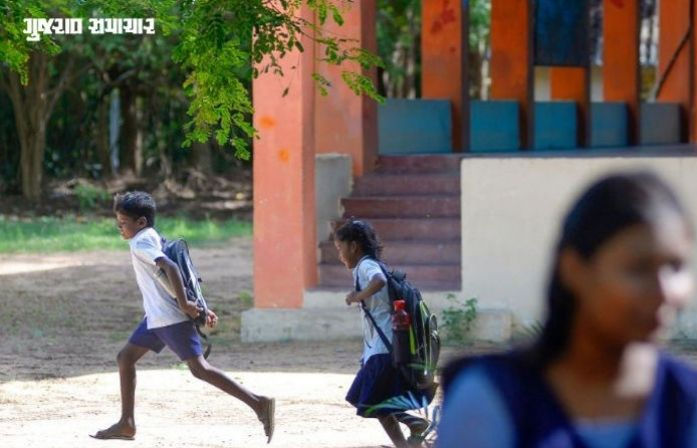
The Gujarat government’s centralised online admission process for free entry into 25% of seats in Standard 1 at private schools under the Right to Education (RTE) Act commenced on April 4.
For the 2026–27 academic year, parents can submit applications online between April 4 and 17. More than 84,000 seats are available this year across the state.
Under the RTE quota, a total of 84,228 seats have been earmarked in Standard 1 across 9,709 private schools in Gujarat. Of these, 41,411 seats are in Gujarati-medium schools, 40,262 in English-medium, 2,235 in Hindi-medium, and 320 in other mediums.
Additionally, 56 schools are operating in a shift system. This year, parents will be given the option to select either morning or afternoon shifts, with admissions granted based on their preference. Schools will be required to confirm admission only in the shift allotted to the applicant.
Admissions under the RTE quota will be granted on a merit-based priority system covering 13 categories of children. The highest priority will be given to orphans, children in need of care and protection, and those living in orphanages. Other priority groups include children of migrant and child labourers, children with disabilities such as cerebral palsy, those undergoing anti-retroviral therapy, and children of martyred military or police personnel.
Further categories include children from families with only one girl child, those from Below Poverty Line (BPL) households across various social groups, Scheduled Castes (SC), Scheduled Tribes (ST), and children from economically weaker sections, nomadic and denotified communities. Children enrolled in state government anganwadis and those from the general (non-reserved) category are also eligible.
Notably, there has been a change in the priority order this year. Previously, children from anganwadis were ranked ninth, while SC/ST and Other Backward Classes (OBC) were placed lower. This year, anganwadi children have been moved down to the 12th position, below those from economically weaker sections (EWS), which have replaced the earlier SEBC and OBC categories in the priority list.
Last year, around 34,000 applicants were from anganwadis, and authorities had received complaints of ineligible candidates applying without having studied in such centres.
