




Old Gujarat housing societies struggle to accommodate EV charging facilities as vehicle numbers rise
Updated: Jun 4th, 2026


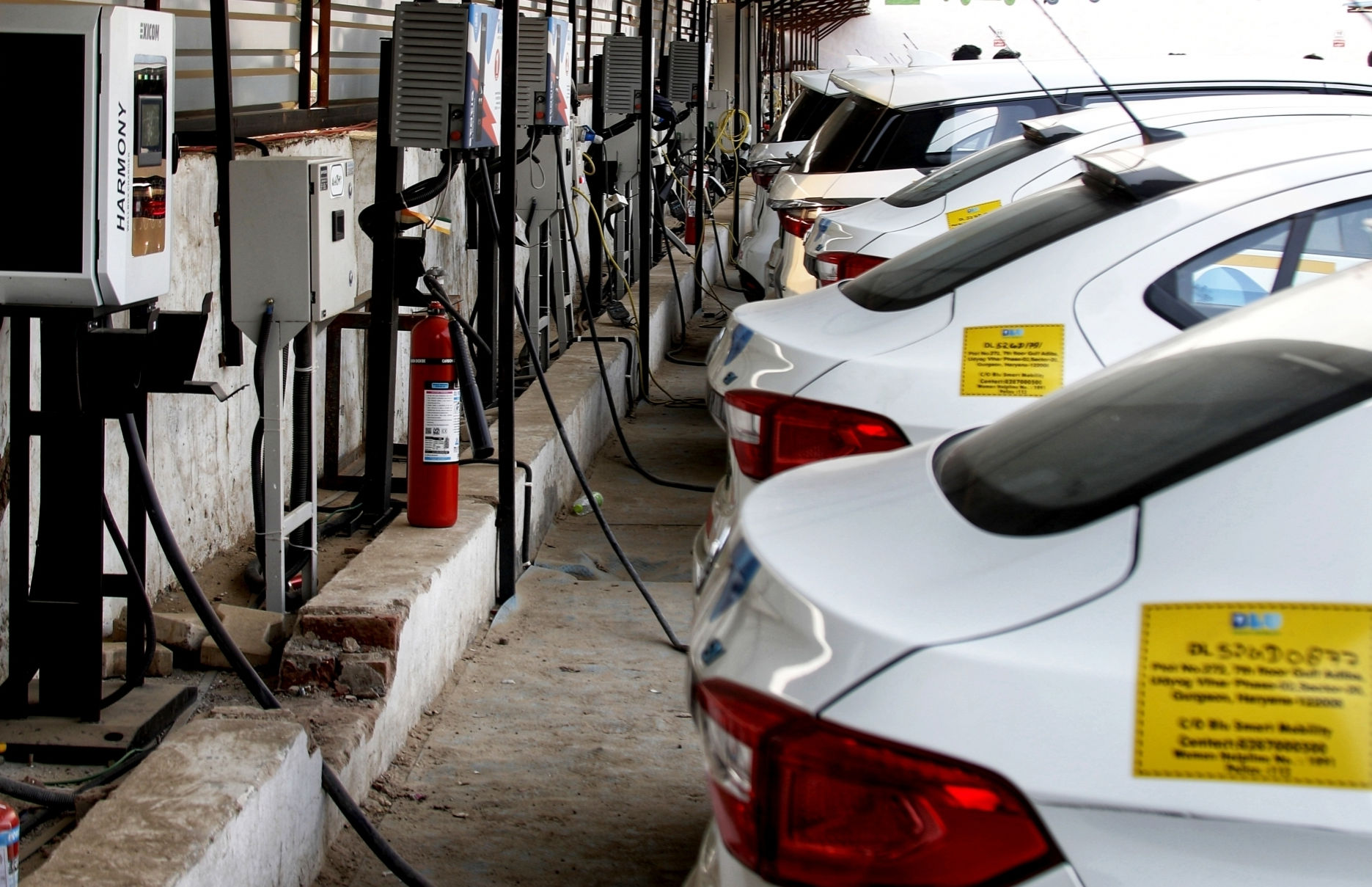 |
Gujarat may be winning the race to adopt electric vehicles (EV), but the infrastructure needed to support them is struggling to keep pace. As EV numbers climb rapidly, old residential societies are finding themselves ill-equipped to handle the demands of home charging, sparking growing tensions between vehicle owners and management committees.
Experts and housing society representatives say charging infrastructure in residential areas has not kept pace with the growth in vehicle ownership.
Under the Gujarat government's EV Policy-2021, the state set a target of promoting two lakh electric vehicles over four years, including 1.10 lakh two-wheelers, 70,000 three-wheelers and 20,000 four-wheelers. While vehicle adoption has gathered momentum, the availability of charging facilities remains a major concern.
The issue is particularly acute in older residential societies and multi-storey apartment complexes in cities such as Ahmedabad, Surat, Vadodara and Rajkot.
Society management committees and resident welfare associations (RWAs) are increasingly facing disputes over the installation of individual charging points, with concerns being raised about additional electricity load, ageing wiring systems, transformer capacity and potential fire hazards in basement parking areas.
EV owners argue that home charging remains the most economical and convenient option. They say reliance on public charging stations increases both travel time and operating costs.
On the other hand, society administrators maintain that permitting charging points without proper technical audits and fire safety measures could pose serious risks to residents and property.
Fire safety experts have also called for enhanced precautions in basement parking areas where EV charging facilities are being installed. They have stressed the need for proper electrical infrastructure, fire detection systems and emergency response mechanisms.
Industry experts say the growing popularity of EVs has sparked debate among builders, housing societies and vehicle owners over how best to accommodate the new technology.
While many newly developed residential projects now include EV-ready parking spaces and dedicated charging provisions, retrofitting older societies remains a complex and costly challenge.
Issues ranging from upgrading electrical capacity and transformers to implementing modern safety standards are yet to be fully resolved.
Experts believe the long-term solution lies in the development of common charging stations within residential complexes, dedicated metering systems for EV users and strict enforcement of fire safety norms.
