




Navratri Maha Ashtami 2025: Old study on havan smoke resurfaces, finds 94% drop in airborne bacteria
Updated: Sep 30th, 2025


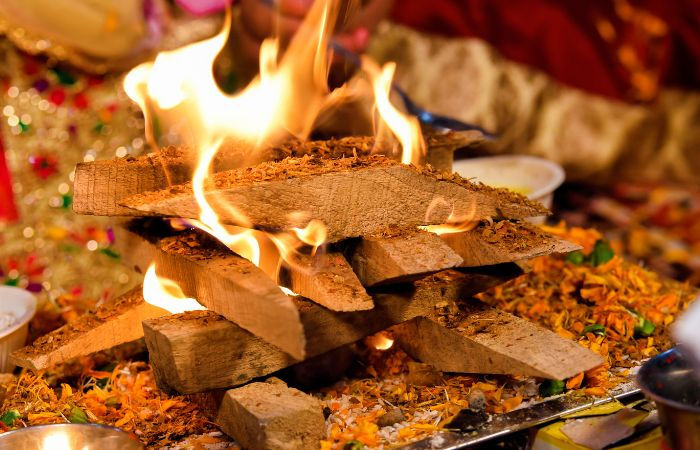
As Maha Ashtami rituals take place in temples across Ahmedabad and other parts of Gujarat on Tuesday, a two-decade-old study on the effects of havan smoke is back in circulation. The research, published in 2007 in the Journal of Ethnopharmacology, reported that smoke from havans (sacred fire rituals) reduced airborne bacteria by up to 94%.
The study was conducted by Chandrashekhar Nautiyal, Puneet Singh Chauhan, and Yashwant Nene of the National Botanical Research Institute. Their findings suggested that ritual smoke could reduce microbial load in the air and protect crops from bacterial damage.
Methodology and findings
In controlled experiments, researchers burnt 1,000 grams of mango wood, followed an hour later by 500 grams of a mixture of substances traditionally offered in havans. Air samples collected in stainless steel vessels showed a 94–96% reduction in bacterial count. The effect lasted 24 hours in a closed room and persisted to some degree even after ventilation.
The study recorded reductions in 14–15 types of bacteria, including those that harm crops such as wheat and rice.
What goes into a havan?
The materials tested included camphor, sandalwood, sesame, almonds, nutmeg, dried dates, apricots, turmeric, musk, amber, agar, and wood from trees such as mango and khejri. These substances, when burnt, were found to have antibacterial effects under laboratory conditions.
Science and smoke
While the research points to possible antibacterial benefits, health experts note that ritual burning also releases particulate matter and other pollutants harmful to human lungs and the environment. In practice, the smoke may kill bacteria in the air, but for those standing near a havan, it often causes itchy throats and watery eyes—highlighting the tension between laboratory findings and real-world health impacts.
In Ahmedabad, air quality on Tuesday afternoon was rated “moderate” with an AQI of 74, according to the government’s official dashboard. PM10 levels were 32 µg/m³ and PM2.5 levels 21 µg/m³—about 1.2 times higher than the state average. While not severe, public health authorities warn that even moderate air pollution can aggravate respiratory issues.
Cultural and seasonal context
Havans are a central part of Vedic tradition, performed with offerings to the fire god Agni alongside mantra chanting. This year’s Navratri spans 10 days because of overlapping tithis, with Maha Ashtami carrying particular importance for devotees. Special havans are being organised at temples including Bhadrakali and Bahuchar Mata in Ahmedabad.
The study remains one of the few peer-reviewed investigations into havan smoke, but its age—nearly 20 years—and the lack of follow-up research mean that experts continue to debate its relevance in today’s discussions on air quality and health.
