





Muslim student from Kutch University earns PhD in Sanskrit on the epic ‘Ramakirti Mahakavya’
Updated: Oct 8th, 2025


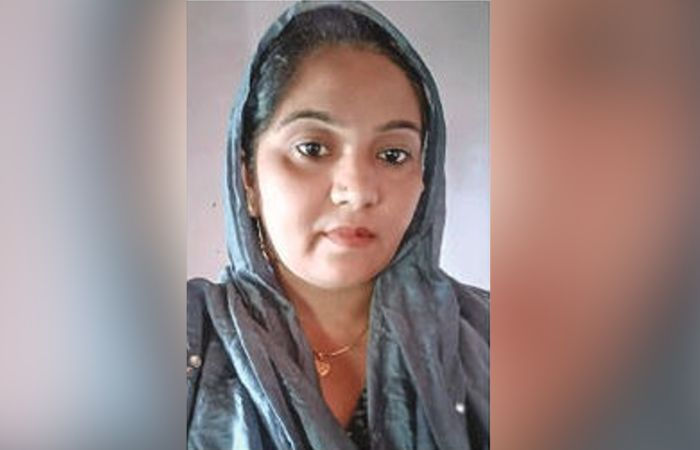 |
| Yasmin Haroon Manjothi |
In a remarkable academic achievement, a Muslim student from Kutch University earned her PhD in Sanskrit, completing an extensive 450-page thesis on the epic ‘Shri Ramakirti Mahakavya’.
The research was carried out by Yasmin Haroon Manjothi, a native of Vadal village near Mundra in Kutch, under the guidance of Dr Pankaj Thakar, assistant professor in the Sanskrit Department of Krantiguru Shyamji Krishna Verma Kachchh University. Yasmin was formally awarded her doctorate at the university’s recent convocation ceremony.
The Shri Ramakirti Mahakavya was composed by renowned Sanskrit scholar Dr Satyavrat Shastri. He drew inspiration from the Thai version of the Ramayana, which he studied during his decade-long stay in Thailand, where he had gone to teach Sanskrit to a Thai princess.
Unlike Valmiki’s Ramayana, the Thai version differs in several aspects — most notably, it portrays Hanuman as married and with children, rather than as a celibate.
Speaking about her academic journey, Yasmin said her love for Sanskrit began in classes 11 and 12. She pursued both her BA and MA in Sanskrit from Kutch University before embarking on her doctoral research.
Initially, she had planned to write her thesis on the Bhagavad Gita, but after consultations with her guide, she found greater interest in the Shri Ramakirti Mahakavya.
Currently serving as the head teacher of classes 8 and 9 at a government primary school in her hometown, Yasmin expressed pride in her achievement, “I am the first in my Manjothi community to pursue higher education up to the PhD level, and that too in Sanskrit. My parents are barely educated, so they did not fully understand what it meant to study Sanskrit at this level. But when I began my PhD, they were overjoyed and encouraged me to speak in Sanskrit. My community has also honored me for this achievement. I could not have done it without the support of my parents and my husband.”
Her accomplishment has not only made her family proud but has also been recognised as a remarkable contribution to keeping Sanskrit scholarship alive in modern times.