




MS University study finds microplastics, heavy metals in Narmada river crustaceans
Updated: May 27th, 2026


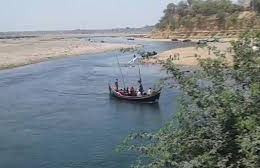
A study conducted by researchers from the Department of Zoology at Maharaja Sayajirao University (MSU) of Baroda has revealed the presence of microplastics and heavy metals in shrimp and crab species found in the Narmada River and sold in seafood markets, raising concerns over aquatic pollution and potential health risks to humans.
MSc student Riya Joshi carried out the research under the guidance of Dr Niketa Mehta.
As part of the study, around 50 samples of shrimp and crabs were collected from 10 locations along the Narmada River stretch between Garudeshwar and Hansot.
Researchers examined different body parts of the aquatic species and found that microplastics had accumulated in the highest quantities in the digestive tract, particularly the intestines.
According to the researchers, the intestines act as the primary accumulation site for microplastics entering the organisms through water and food intake.
They noted that while digested nutrients reach the muscles through blood circulation, plastic particles were also found, though in smaller quantities, within muscle fibres, the portions commonly consumed by humans.
The study found that the average number of black and blue-coloured microplastic particles in most samples ranged between nine and 15.
Researchers said pollution sources may include synthetic fabric fibres discharged into water bodies, fishing nets, untreated sewage and plastic waste entering the river ecosystem.
The study detected polyethylene in 95% to 100% of shrimp and crab samples, while polypropylene was found in 75% to 85% of the samples analysed.
The species examined during the research included tiger shrimp, white shrimp, Kutchi shrimp, giant river prawn, mud crab and freshwater crab.
Researchers warned that the presence of microplastics in edible muscle tissues indicated that ultrafine plastic particles could enter the human body through seafood consumption.
The study also highlighted growing concerns over increasing industrial and plastic pollution in the Narmada River.
For analysis, researchers used Fourier Transform Infrared (FTIR) spectroscopy, a technique used to identify the chemical composition and plastic types present in samples through infrared absorption patterns.
Using the method, the researchers identified plastics including nylon, polyethylene, polypropylene and polyethylene terephthalate.
Apart from microplastics, the study also detected heavy metals such as chromium, nickel, copper, zinc, iron, cadmium and lead in the aquatic species.
Researchers said further analysis was underway to determine the exact concentrations of these toxic elements.
According to the study, the combined presence of microplastics and heavy metals could pose long-term risks to aquatic ecosystems as well as human health.
