




Morbi’s ceramic industry faces potential shutdown amid gas supply disruption due to Iran conflict
Updated: Mar 5th, 2026


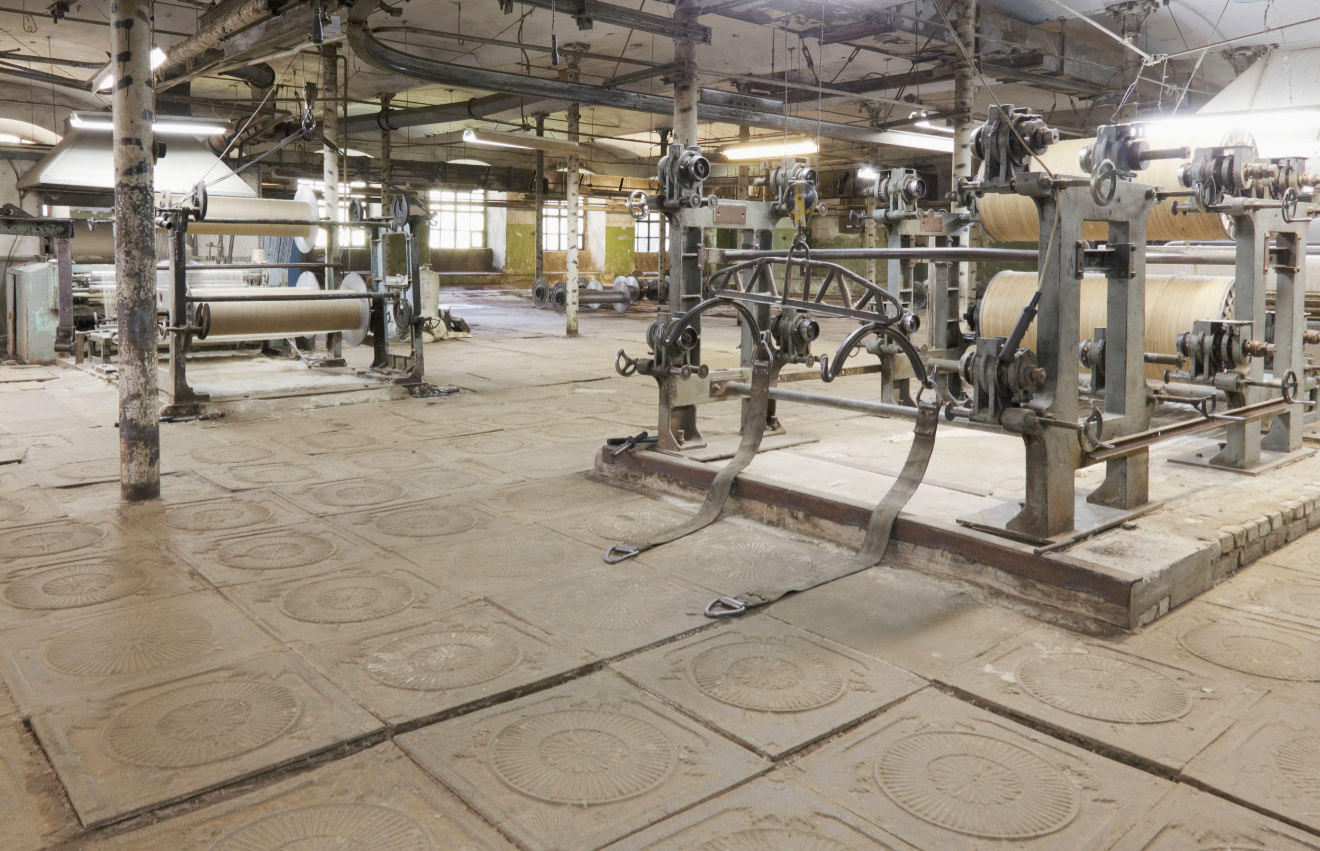
The ceramic industry in Morbi, a major manufacturing hub in Gujarat, is facing a looming production crisis as the escalating conflict involving Iran threatens the supply of natural gas essential for its operations, as per reports.
Industry leaders reportedly say disruptions in maritime routes linked to the conflict have begun affecting the flow of gas and petroleum products to India.
Reports citing the president of the Morbi Ceramic Manufacturers Association, Manoj Arvadiya, claimed that most of the gas and petroleum products come from GCC countries. These vessels are currently being stopped with a complete barricade at an area controlled by Iran.
Shipping through the Strait of Hormuz — a key maritime corridor that carries a large share of India’s crude oil and gas imports — has reportedly stalled as the conflict widened across the Middle East.
Reports citing industry sources, retaliatory drone strikes by Tehran following missile operations by Israel and the United States have disrupted regional energy infrastructure. Reports indicate that the world’s largest liquefied natural gas terminal, Ras Laffan, has been shut following the escalation.
In addition, Saudi Aramco has reportedly closed its refinery at Ras Tanura, while Iraq has curtailed oil production due to difficulties in transporting output.
For manufacturers in Morbi, the disruption poses a serious threat. Arvadiya said the industry is heavily dependent on gas-fired kilns for tile and ceramic manufacturing, and a prolonged shortage could halt production.
However, the government in New Delhi has sought to reassure industry and consumers that the country’s energy security remains stable. Officials said India currently holds crude oil and petroleum reserves sufficient for about eight weeks, including supplies stored in strategic reserves.
Officials said the government is closely monitoring developments, adding that diversified import sources and existing stockpiles place India in a “comfortable position” to manage possible supply disruptions.
