




LPG shortage triggers migrant exodus from Surat amid Middle East tensions
Updated: Mar 21st, 2026


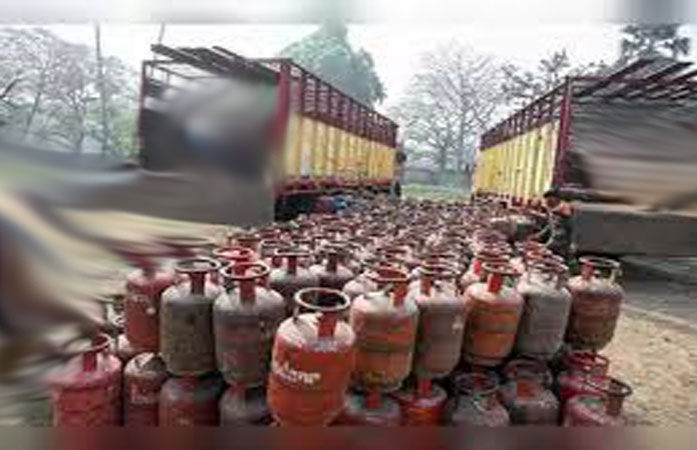
The impact of the ongoing Middle East conflict has begun to be felt in Gujarat’s Surat city, where large numbers of migrant workers have started returning to their native villages due to an acute shortage of LPG.
As per reports, crowds were seen at Udhna Railway Station as workers queued up to leave the city, citing difficulties in accessing cooking gas despite the availability of work in local industries.
Several workers alleged that LPG prices had surged sharply, with gas reportedly being sold at around ₹500 per kilogram, making it unaffordable for daily use. Many claimed they had been unable to cook food for days.
One of the migrant workers reportedly alleged that they have not received gas for many days. They have no money and no support there; hence, they shall return once supplies resume.
Another worker said her family had been unable to procure LPG for over two weeks, forcing them to leave despite ongoing employment. Others added that landlords had prohibited the use of firewood for cooking, further worsening their situation.
Surat is heavily dependent on migrant labourers, especially in the textile units. The sudden influx could cause production to stop.
The shortage comes amid global supply constraints linked to escalating tensions in West Asia, particularly disruptions around the Strait of Hormuz, a key route for energy shipments.
The Government of India has said it is engaging with international partners to ensure energy security and the safety of Indian nationals in the Gulf region. A financial relief package of ₹497 crore has also been announced to support exporters affected by the disruptions.
External Affairs Ministry spokesperson Randhir Jaiswal said the situation posed challenges globally, adding that Indian authorities were in constant touch with stakeholders.
Officials also confirmed that two Indian-flagged LPG carriers, MT Shivalik and MT Nanda Devi, recently reached India safely after crossing the Strait of Hormuz, carrying over 92,000 metric tonnes of LPG.
