





Influenza rises in Gujarat; fatality rate higher than reported COVID numbers
Updated: Nov 21st, 2025


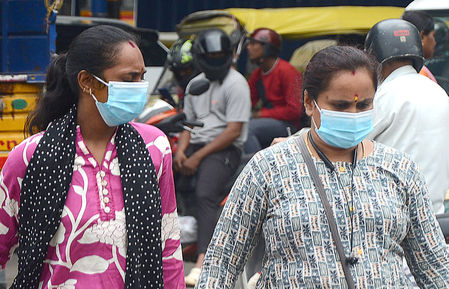
With winter making its tentative way into Gujarat, the state has been witnessing cold chilly nights and mornings followed by hot days. Such steep temperature fluctuations allow respiratory viruses to multiply and spread more easily and, combined with worsening urban air quality, are contributing to a rise in seasonal influenza cases, doctors say.
The current trend has renewed concern because the case fatality rate--deaths compared to confirmed cases--appears higher than the reported fatality rate for Covid-19.
However, experts caution that influenza testing is largely limited to hospitalised or severe cases, so the death percentage reflects only a narrow slice of infections and shouldn’t be compared directly with Covid-19’s broader testing base.
In addition, health officials now also group specific infections such as those caused by the H1N1 virus under the more generic “seasonal influenza” tag.
Case trends before and after COVID
In 2019, before the pandemic, Gujarat reported 4,844 influenza cases and 151 deaths. Nationally, India recorded 28,798 cases and 1,218 deaths that year. Influenza circulation fell during the pandemic years from 2021 to 2023; but with restrictions lifted, cases rose again in 2024. Gujarat reported 1,711 influenza cases and 55 deaths last year, while India recorded 20,414 cases and 347 deaths. Gujarat now ranks sixth among states with the highest reported spread, after Karnataka, Kerala, Delhi, Maharashtra, and Tamil Nadu, contributing over 8% of the reported national caseload.
In 2025, up to June, Gujarat has reported 56 cases, while India has recorded 2,400. Public-health officials say October–November, the post-monsoon mixed-weather period, tends to be more conducive to respiratory infections than the first half of the year.
Is influenza “more fatal” than COVID?
India recorded about 4.50 crore Covid-19 cases and 5,33,847 deaths, giving a reported case fatality rate of 1.18%. Seasonal influenza’s fatality rate, based on tested cases, is around 1.70% nationally and approximately 3% in Gujarat.
Epidemiologists note that influenza testing focuses mainly on severe cases—including more serious infections such as swine flu—these percentages do not capture the many mild cases of “viral fever” that are treated at home with basic medicines. These cases never enter official data, and can make influenza appear deadlier in comparison, even when community-level risk remains lower than COVID-19.
Doctors emphasise that the flu is highly contagious. As one clinician explained informally, “if one person in a home or office gets a cold, others often catch it too.” Gujarat saw an eight-fold rise in confirmed cases in 2024 compared with the previous year.
Possible reasons for the rise in flu cases
Public-health specialists point to environmental, behavioural, and reporting-related reasons for this surge. Weather instability and poor air quality in several cities help viruses spread more easily. As temperatures swing and pollution remains high, more people stay indoors in poorly ventilated spaces, accelerating transmission.
The way influenza is monitored also shapes the numbers. COVID-19 saw widespread testing—even of mild cases—but influenza testing remains concentrated in hospitals. This means the infection burden is likely much higher than the reported caseload, and fatality figures represent only the most serious cases.
Another factor is what researchers describe as an “immunity gap”. During the pandemic, masking, reduced mobility, remote schooling, and limited social mixing suppressed the circulation of common respiratory viruses. Many people, especially children, therefore missed the routine, annual exposures that help reinforce immunity. Experts clarify that immune systems were not damaged; normal immunity-building through periodic exposure was simply interrupted.
Now that daily life has resumed, viruses such as influenza are circulating through populations that have had fewer recent encounters with them. This can result in sharper or earlier seasonal spikes until exposure patterns normalise.
Local rise in viral infections
In Rajkot, viral cold-and-cough cases increased by 30% last week, according to municipal health data. Although reporting rules under the Nursing Homes and Clinical Establishments Acts have changed, complete city-level data on circulating infections is not being publicly released. Even with limited reporting, municipal officials confirm a noticeable uptick in respiratory illnesses.