




If women can handle men, they can definitely handle the wheel: Mira Erda at CII panel discussion
Updated: Dec 19th, 2025


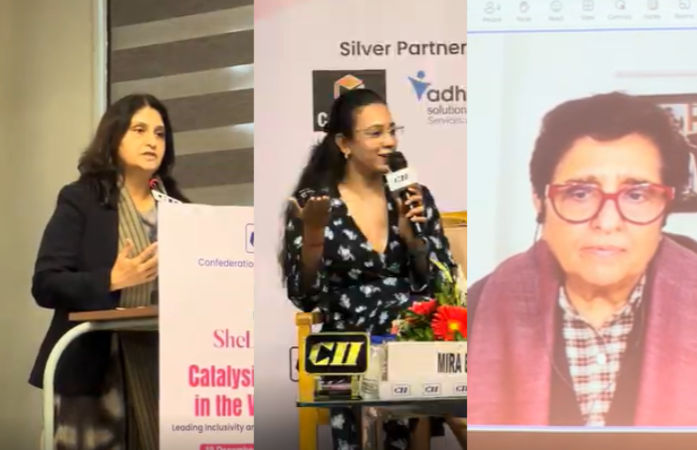
Formula 4 racer Mira Erda on Friday challenged stereotypes around women drivers, saying that the long-held perception of women being bad drivers is misplaced.
Speaking at a panel discussion titled ‘Catalysing Women in the Workforce’, organised by the Confederation of Indian Industry (CII) at the Ahmedabad Management Association, Erda responded to a question by moderator Zarna Udasi on women’s participation in motorsports.
“Yes, women participation has increased. The misconception that women are bad drivers is completely wrong. If women can handle men, they can definitely handle the wheel,” Erda said, drawing applause from the audience.
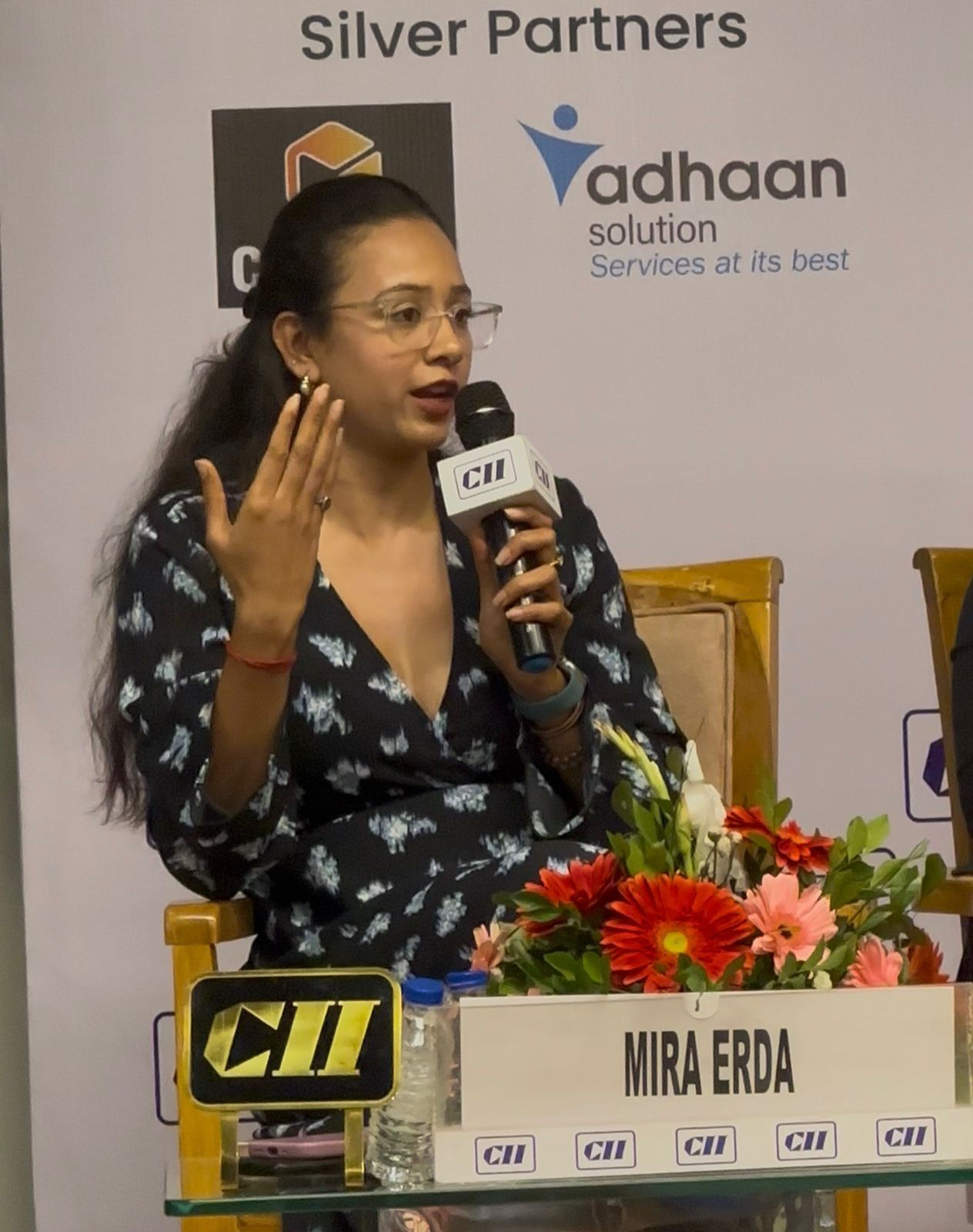 Highlighting her own journey, Erda said she wears multiple hats as a racer, manager, trainer, mechanic and content creator, and actively works to inspire young girls to consider motorsports. Emphasising self-belief, she urged women to constantly upgrade their skills and remain consistent.
“Be your biggest believer. Once you take a step forward, don’t step back. Be constant and work towards excellence. Don’t give up,” she said.
When asked about convincing parents to allow young girls into motorsports, Erda acknowledged parental concerns around safety. She said karting requires focus and discipline, and that the sport is not risky if approached responsibly. “If parents don’t support you, you should still go for it,” she added.
Responding to a question on scholarships and sponsorships, Erda said motorsports is an expensive field due to the cost of maintaining cars and tracks, and there are limited sponsorship opportunities. However, she noted that discounts are offered to top-performing drivers and added that the racing community is largely welcoming and supportive.
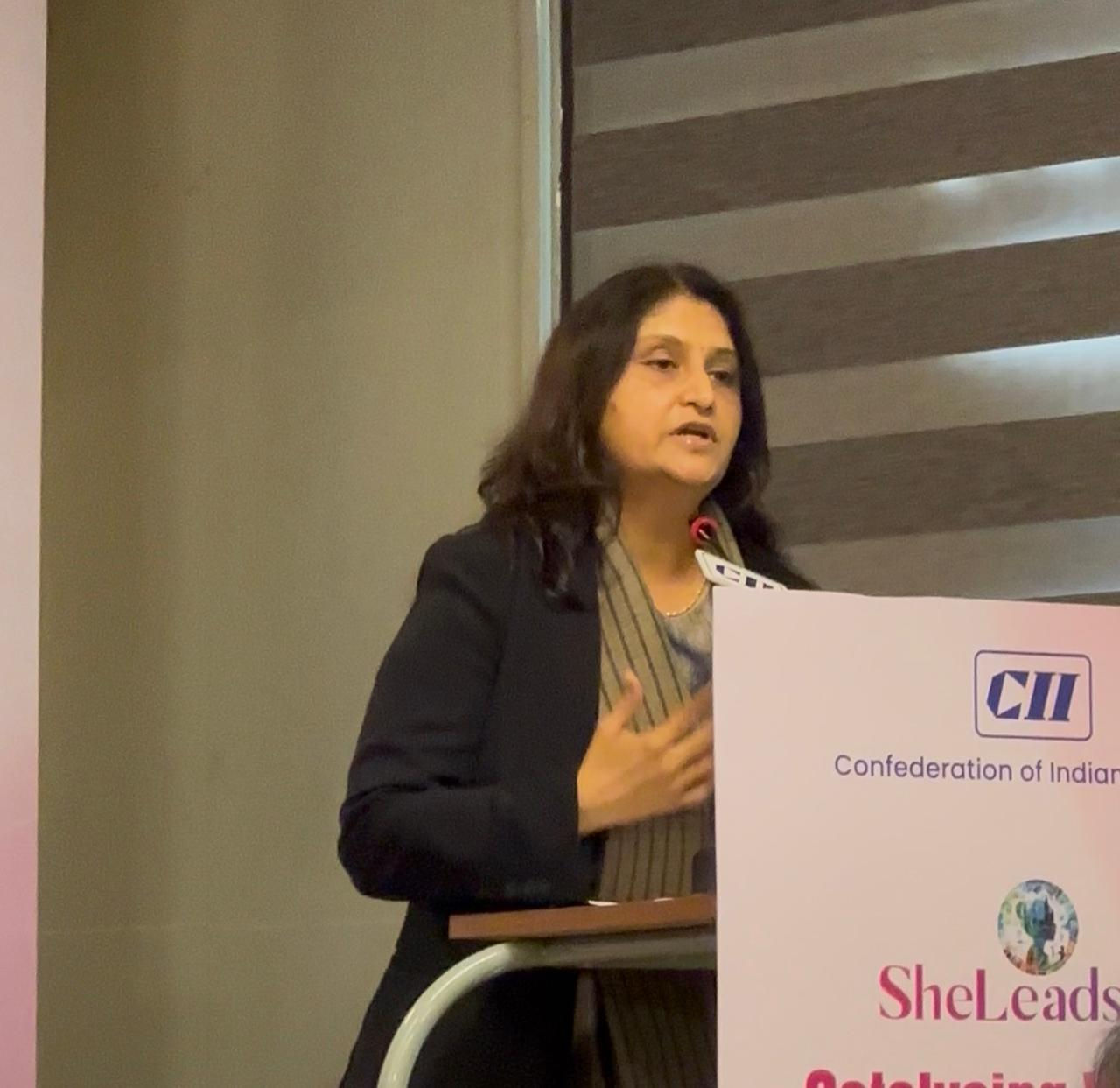 Another panelist, Mona Khandhar, IAS, shared insights from the public service sector, saying women’s participation has improved significantly, with around 50 per cent representation in certain areas. She stressed the importance of women in leadership roles and said further transformation is required across industries.
Khandhar also highlighted the persistent issue of gender imbalance, noting that despite development, states like Gujarat and Haryana continue to show a preference for male children. “For every 1,000 boys, there are only about 850 to 925 girls,” she said, underlining the need for societal change.
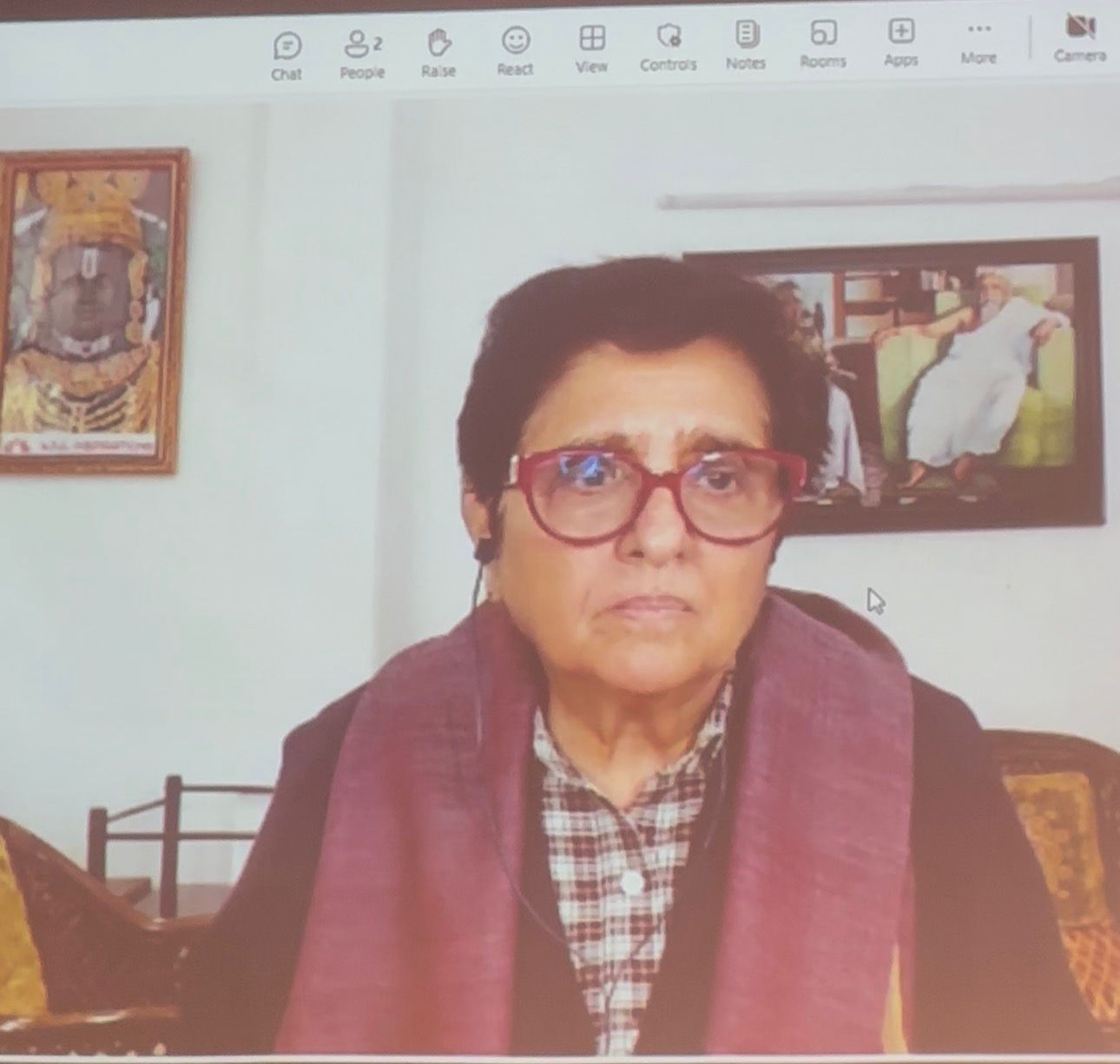 The event’s special guest, Kiran Bedi, addressed the audience through a digital interaction after missing her flight. Speaking on women empowerment, Bedi stressed equal upbringing for girls and boys. She said women should be encouraged to become self-reliant, rather than being raised solely with marriage or motherhood in mind.
“Equal opportunities in education and growth are essential. Leadership among women depends greatly on how parents groom them and the values they grow up with. A woman’s vision should be self-reliance,” Bedi said.
The event focused on addressing challenges, opportunities and systemic changes needed to strengthen women’s participation across sectors, including sports, governance and industry.
