





Hidden gold rush beneath Ahmedabad: Ghamelawallahs unearth precious metals from city sewers
Updated: Jun 3rd, 2025


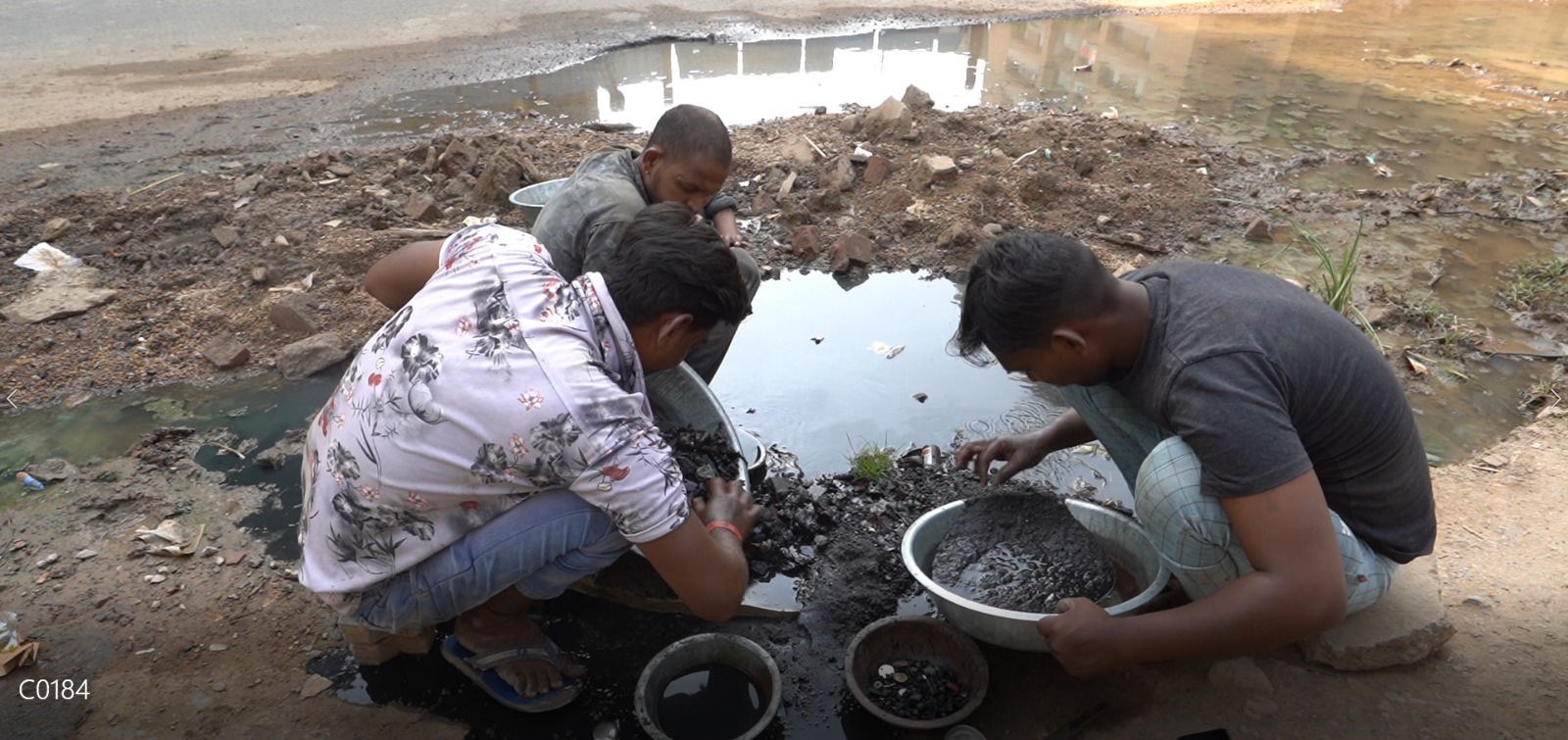
Under the busy streets of Ahmedabad, a group of dedicated individuals known as ‘ghamelawallahs’ have turned the city’s sewer systems into unexpected gold mines. These sewer cleaners meticulously extract valuable metals, including gold dust and precious stones, from the sediment accumulated in the drainage lines of residential societies.
A day in the life of Ghamelawallahs
The process begins at the crack of dawn, around 5 am, when Ghamelawallahs set out with their tools, ready to delve into the depths of the city’s underbelly. On average, they clean three to four sewer lines daily, a task that requires immense physical effort and resilience.
The final sediments collected are taken to their homes, where the painstaking process of sifting through the muck for glimmers of gold begins.
Sunil, a Ghamelawallah from Ranip, shares, “This work has been in my family for generations. My grandfather started it, then my father, and now it’s my turn. It’s not easy, but it’s our livelihood.”
Fruits of labour
Despite the arduous nature of the work, the rewards can be significant. On a good day, a Ghamelawallah might extract up to one gram of gold and on average, 20 grams in extracted from the process in a month. The collected gold scrap is then sold to local vendors in Manek Chowk, a renowned jewellery market in Ahmedabad.
However, these transactions often come at a cost, with Ghamelawallahs receiving approximately 20% less than the prevailing market rate for gold.
Tradition rooted in necessity
This unconventional profession highlights the lengths to which individuals will go to sustain their families. It also sheds light on the hidden economies that thrive beneath the surface of urban life. The Ghamelawallahs of Ahmedabad exemplify resilience and ingenuity, turning the city’s waste into a source of sustenance.
As the city continues to grow and modernise, the stories of these sewer gold miners serve as a poignant reminder of the diverse and often overlooked livelihoods that contribute to the urban tapestry.