




Gulf war impact: over 1 lakh port workers in Gujarat may return home as cargo movement slows
Updated: Mar 9th, 2026


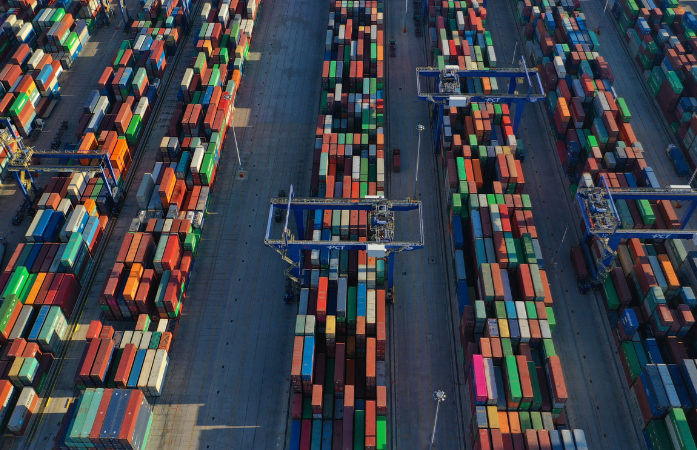
The ongoing conflict in the Gulf region has begun affecting port operations in Gujarat, slowing cargo movement and leaving thousands of containers stranded at key terminals.
More than 2,000 containers are currently stuck at the state’s major ports, including Kandla Port and Mundra Port. Industry sources say uncertainty in shipping schedules, restrictions on vessel movement and higher insurance premiums have disrupted import–export activity.
The slowdown in cargo movement has also raised concerns about employment for thousands of labourers working across Gujarat’s ports.
Industry sources say that if port operations remain subdued for a prolonged period, a large number of workers may choose to return to their hometowns until cargo movement resumes.
Export shipments and vessels delayed
The state has 49 ports, including major facilities such as Kandla Port, Mundra Port, Port of Pipavav, Dahej Port and Hazira Port, which together handle a significant share of India’s maritime trade.
Sources estimate that cargo movement at Gujarat’s ports has declined by more than 40 per cent in the early phase of the disruption.
The disruption has affected the movement of several export consignments from Gujarat’s ports.
Shipments of rice, LPG and bulk cargo such as sulphur and gypsum meant for export have been halted, while several vessels remain delayed at port terminals. Containers destined for markets in the Middle East cannot be loaded onto ships because of the uncertainty surrounding maritime routes and the higher insurance premiums imposed by shipping companies operating in the region.
Thousands of containers remain at terminals awaiting clearance or shipment, raising concerns among exporters and logistics operators.
India exports grains, chemicals, engineering goods, fresh fruits and vegetables to Middle Eastern and European countries through Gujarat’s ports. Between January and April, fruit and vegetable production in Europe usually declines, leading to higher imports from India during this period. Exporters say these shipments are now facing delays.
Logistics operations face disruption
Operational delays have begun to affect the logistics ecosystem connected to the ports.
Vessel schedules have been postponed in several cases, while delays in terminal operations have slowed the movement of trucks carrying cargo to and from port facilities. Gate activities at some terminals have also been affected, creating bottlenecks in the supply chain.
These disruptions have added to the backlog of cargo awaiting shipment or clearance.
Worker migration concerns emerge
If the situation continues, it could affect the livelihoods of port workers and businesses dependent on maritime trade in Kutch and other port regions of the state.
A large number of migrant workers are employed in loading, unloading and logistics services at port terminals. Many of them had travelled to their hometowns during the Holi–Dhuleti festival period, and industry sources say a significant number have not yet returned due to uncertainty over work availability.
