





Gujarat’s subsidised grains meant for the poor sold by black marketeers
Updated: Dec 18th, 2024


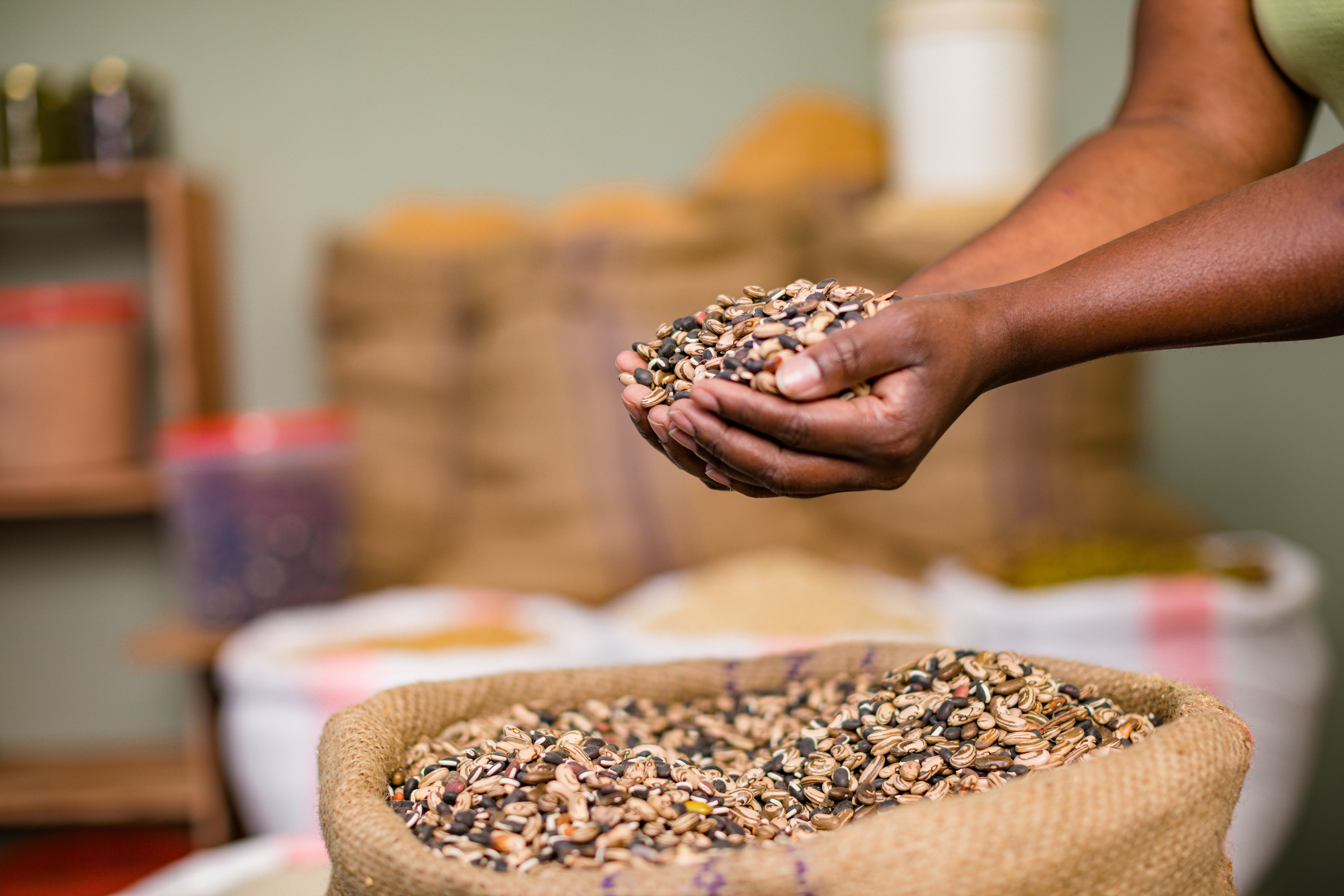
A recent survey has exposed flaws in Gujarat’s Public Distribution System (PDS), with black marketeers running rampant and 43% of government-supplied grains going missing. The findings show that grains sent from government warehouses to fair-price shops often fail to reach the intended people, leaving the poor at the mercy of black market operators.
The survey has uncovered that the public distribution system is corrupted. Despite government claims of providing food to millions of poor people, a large amount of the grain for the poor ends up being sent to the black market. The system’s leakage is particularly severe in Gujarat, where 43.02% of wheat and grains are misappropriated, pointing to a much bigger problem.
Although the entire system is computerised in an effort to prevent grain from being diverted to the black market, many loopholes remain, allowing black marketeers to continue exploiting the situation. As a result, grain meant for the poor ends up in the hands of middlemen who sell it at higher prices, leaving the needy without their share.
According to the Economic Think Tank’s findings, around 28% of the total grain supply — roughly 2 crore tons of wheat and rice — goes missing every year, with a total estimated value of ₹6,900 crore. This loss is alarming, as it remains unaccounted for, and no one seems to know where it goes.
Congress spokesperson Dr Manish Doshi has accused the government of gross negligence, claiming that widespread corruption in the public distribution system has resulted in grains failing to reach the poor.
According to data from the Household Consumption Expenditure Survey, 2 crore tons of wheat and rice did not reach the poor between August 2022 and July 2023.
Also read :