




Gujarat HC restores ₹4 lakh award to family of man who died falling from train in 1998
Updated: Apr 11th, 2026


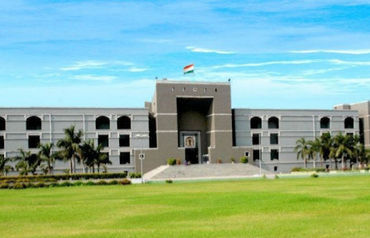
In a significant ruling, Gujarat High Court set aside a 2003 order of the Railway Claims Tribunal that had denied compensation to the family of a man who died after falling from a moving passenger train in 1998.
The high court allowed the first appeal filed by Irshadbibi Sheikh, widow of the deceased Abbasali Sheikh, and restored the Railway Claims Tribunal’s original 1999 order awarding ₹4,00,000 with 12% interest per annum to the claimant.
The tragic incident occurred on January 5, 1998, when Abbasali Sheikh was travelling from Vyara to Dharangaon aboard the Surat Railway Passenger Train. According to the claim petition, Sheikh was pushed by a sudden rush of passengers near Vyara Railway Station and fell from the train, sustaining fatal injuries.
The Railway Claims Tribunal had initially allowed the claim in 1999 and directed the Railways to pay ₹4 lakh along with 12% interest. However, following a challenge by the Union of India, the matter was remanded for fresh adjudication.
In 2003, the Tribunal reversed its earlier decision and dismissed the claim, holding that the family had failed to prove that Abbasali Sheikh was a bona fide passenger and that the incident qualified as an “untoward incident” under the Railways Act.
Gujarat HC, while hearing the appeal, observed that the Tribunal in 2003 had ignored crucial evidence on record, including the accidental death report and the physical railway ticket produced by the claimant. The court noted that the inquest was conducted by the Government Railway Police (GRP) Vyara rather than the regular police, which clearly indicated that the incident had taken place within railway premises.
A single judge bench of the court quashed the 2003 dismissal order and restored the original 1999 award of compensation.
During the proceedings, counsel for the Railways submitted that the awarded amount had already been deposited before the trial court.
The high court directed that the trial court shall verify the deposit and, if such deposit is found to have been made, disburse the amount to the claimant(s) after following due procedure.
The high court's judgment brings closure to a 27-year-old legal battle for the family of the deceased.
