





Gujarat HC lawyers meet CJI over proposed transfer of Justice Sandeep Bhatt
Updated: Aug 29th, 2025


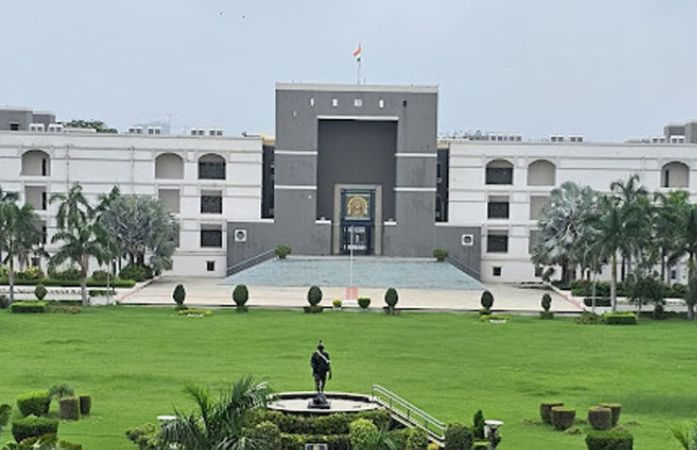
A six-member delegation of the Gujarat High Court Advocates’ Association met Chief Justice of India B R Gavai on Thursday to seek the cancellation of Justice Sandeep N Bhatt’s proposed transfer.
Justice Bhatt has drawn attention within Gujarat HC for his firm stance on administrative transparency and adherence to procedural norms. His proposed transfer comes amid ongoing discussions about internal reforms and judicial accountability in the state. The lawyers highlighted Justice Bhatt’s judicial record and raised concerns that the transfer could undermine public confidence in the judiciary.
“Justice Bhatt is an honest and dedicated judge. His transfer would tarnish the image of the judiciary and shake public confidence in the justice delivery system,” the representation stated, urging the Supreme Court Collegium to reconsider its decision.
Judicial record cited as evidence of diligence
The delegation noted that since his appointment in 2021, Justice Bhatt has disposed of approximately 19,000 cases in four years, demonstrating his commitment and diligence.
This includes a range of civil, criminal, and administrative matters. Lawyers noted that many of his orders aimed to resolve long-standing procedural bottlenecks and promote fairness across various court divisions. His record, they argued, reflects a rare combination of efficiency and commitment to institutional reform, setting a benchmark for judicial accountability.
According to the lawyers, his orders consistently aimed to promote transparency and strengthen administrative procedures within the Gujarat High Court.
The members of the committee said they were unaware of the material or reasoning presented to the Supreme Court Collegium for the transfer proposal but reaffirmed their confidence in Justice Bhatt’s integrity and commitment to the rule of law.
Concerns linked to administrative orders
The lawyers suggested that the transfer proposal may have been triggered by Justice Bhatt’s strict directives in cases related to installing CCTV cameras and missing files. These orders, the representation argued, were necessary to enhance transparency and maintain public trust in the judiciary.
The committee emphasised that these administrative directives were not merely procedural formalities. Ensuring proper monitoring of court documents and activities is critical to prevent errors, delays, or deliberate tampering, and directly affects the efficiency and credibility of the justice delivery system in Gujarat.
In a high-profile missing files case, Justice Bhatt raised serious questions regarding the involvement of then Registrar A T Ukharani. Following this, his roster was changed, and he was moved to a division bench. Later, on August 18, as a single judge, he issued an order directing comprehensive CCTV coverage across the Gujarat High Court registry. The administration challenged the order, and a division bench quashed it on the same day.
CCTV directive referenced earlier orders
The representation clarified that Justice Bhatt did not originate the CCTV issue. In 2016, a bench led by then senior judge Justice M R Shah had directed the installation of cameras in registry departments to prevent loss or tampering of documents. Justice Bhatt’s order, the committee said, was a reference to that earlier directive aimed at ensuring accountability.
Bar raises concerns about Gujarat HC chief justice
The submission also drew attention to the conduct of the current Chief Justice of Gujarat High Court, Sunita Agarwal. The lawyers stated that her approach had caused dissatisfaction among bar members.
Lawyers said that the atmosphere at the bar has grown tense in recent months, with members increasingly concerned about administrative decisions affecting senior judges. While they have not intervened directly in judicial matters, the perception of uneven treatment has raised questions about the internal functioning and morale within the high court.
The representation cited a sequence of events in which Additional District Judge-level officer A T Ukharani reportedly influenced the chief justice to disregard senior-most judge Justice Umesh Trivedi, leading to his resignation from all committees. While these matters concerned internal high court functioning, the delegation highlighted the wider impact on the bar and court administration.