





Gujarat confronts climate crisis: Alarming heat waves, extreme weather
Updated: Jan 14th, 2024


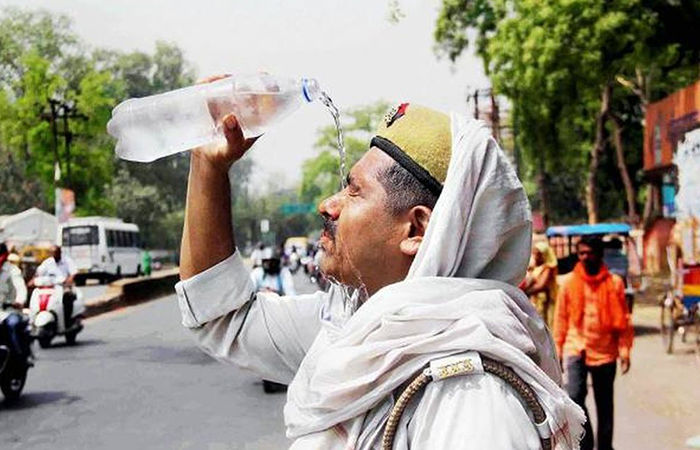 |
| Heatwave (img: IANS) |
Like much of the world, Gujarat is grappling with the stark realities of climate change. The state has experienced severe heat waves, with temperatures in some areas exceeding 50° C.
The ‘State-Level Climate Change Trends in India’ report by the India Meteorological Department (IMD) highlights a worrying trend: Both the annual minimum and maximum temperatures in Gujarat are increasing by 0.02° C annually.
This trend mirrors significant temperature increases across various Indian states, signalling an alarming pattern of climate change.
The report, prepared by IMD officials LS Rathore, SD Attri, and AK Jaswal, underscores a crucial point: Global warming could exponentially increase the number of heatwaves in India, exposing over 600m people to unprecedented heat. This looming threat calls for a robust national strategy to adapt to climate change and enhance ecological sustainability.
Climate experts in Gujarat suggest that the rising temperatures in the state are attributed to a mix of climate change and environmental alterations. Extreme weather events, such as heavy rains leading to floods, are becoming more frequent. Subtle yet significant changes in temperature patterns are also evident.
For instance, Ahmedabad is experiencing a narrower gap between daytime and night-time temperatures.
Similarly, the Banni grasslands, which traditionally received rainfall quadrennially, now witness almost yearly rainfall.
Adverse temperatures in the state
This shift has led to ecological alterations, including the spread of invasive species and changes in land use for farming.
India has seen a surge in heat-related deaths due to persistent heatwaves. Despite record-keeping by IMD, the National Crime Records Bureau (NCRB) and union health ministry, discrepancies exist in their data from 2015-2023.
For example, the health ministry reported to the Lok Sabha on July 23, 2023, that heat waves had caused 264 deaths in 14 states by June 30, 2023. Gujarat also reported a significant increase in heat wave-related fatalities, with 35 deaths in 2023, the highest since 2015.
Urban planning also plays a role in rising temperatures. The urban heat island effect is pronounced in Gujarat’s cities due to low tree cover and the prevalence of heat-absorbing materials in construction. In response, Gujarat has established a department for this purpose.
Cities like Ahmedabad and Surat have developed specific plans to manage heat waves and floods. Gujarat’s situation is a microcosm of the global challenge posed by climate variability.
(Source: IANS)
- Edited for style