




Gir home to 891 lions, but has capacity to support only 300
Updated: Jun 23rd, 2026


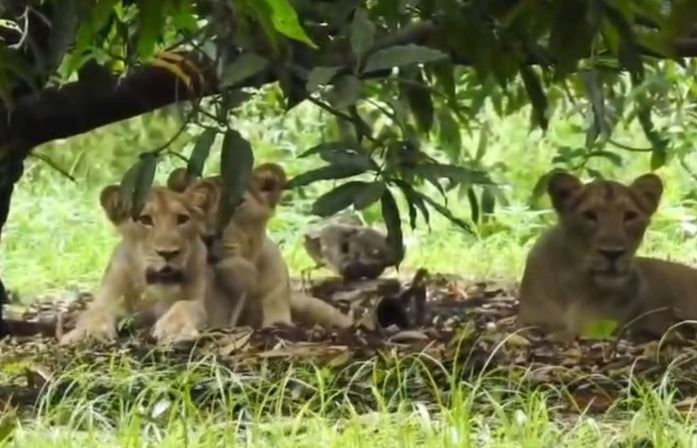
The growing conflict between humans and wildlife in and around the Gir region has reached a worrying level. While the Asiatic lion population has witnessed a record increase, the forest area available to support them has remained virtually unchanged.
At the same time, rapid commercialisation, unauthorised construction of farmhouses and resorts in hilly areas, mining activities, and encroachments on wildlife corridors are shrinking the lions' natural habitat.
According to studies conducted by the Forest Department and the Wildlife Institute of India, the scientific carrying capacity of the core Gir forest area is limited. The approximately 1,412-square-kilometre Gir National Park and Wildlife Sanctuary can ideally support only 250 to 300 lions.
However, the 2025 lion census recorded a population of 891 Asiatic lions, highlighting a major imbalance between habitat availability and population growth. The figures indicate that more than 60% of the lions now live outside the protected forest area, in revenue lands, coastal belts, agricultural zones, and regions close to human settlements.
Wildlife experts warn that while the rise in lion numbers is a matter of pride for Gujarat, the failure to expand or secure additional habitat in proportion to the growing population poses a serious long-term threat. A growing lion population without a corresponding increase in forest area is being compared to a ‘time bomb’ waiting to explode.
Illegal hotels and resorts near protected areas, mining activities, and increasing pressure on wildlife corridors are further endangering the safety and movement of lions. As their natural pathways continue to shrink, encounters between lions and humans are becoming more frequent.
Experts caution that unless authorities take immediate action against illegal construction, mining, and encroachments around Gir, the region could witness a significant rise in human-lion conflicts in the coming years. They warn that the situation has the potential to become far more dangerous if habitat pressures continue to intensify.
The challenge now is not just conserving the Asiatic lion population but also ensuring sufficient habitat and protected corridors for the species to thrive safely alongside local communities.
