




From 900 kg firewood, 15 LPG daily, Gujarat’s Satadhar Dham now uses 8,000 kg dung to feed 10,000
Updated: Mar 29th, 2026


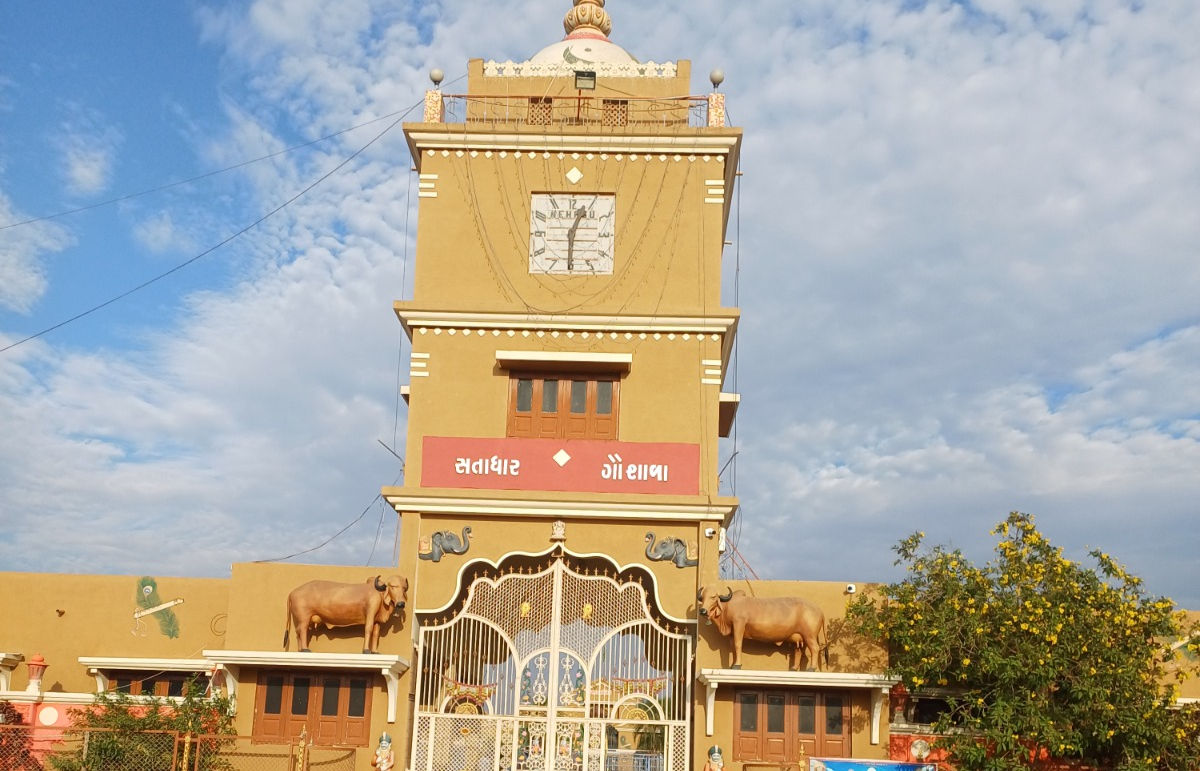
Satadhar Dham in Gujarat’s Junagadh district has set up the state’s largest-capacity biogas facility, enabling its community kitchen to run entirely on renewable energy, officials said.
Associated with Saint Appa Giga and known for its evening aarti, the temple complex now operates four biogas plants, each with a capacity of 85 cubic metres per day, while two additional units of similar capacity are under construction, officials said.
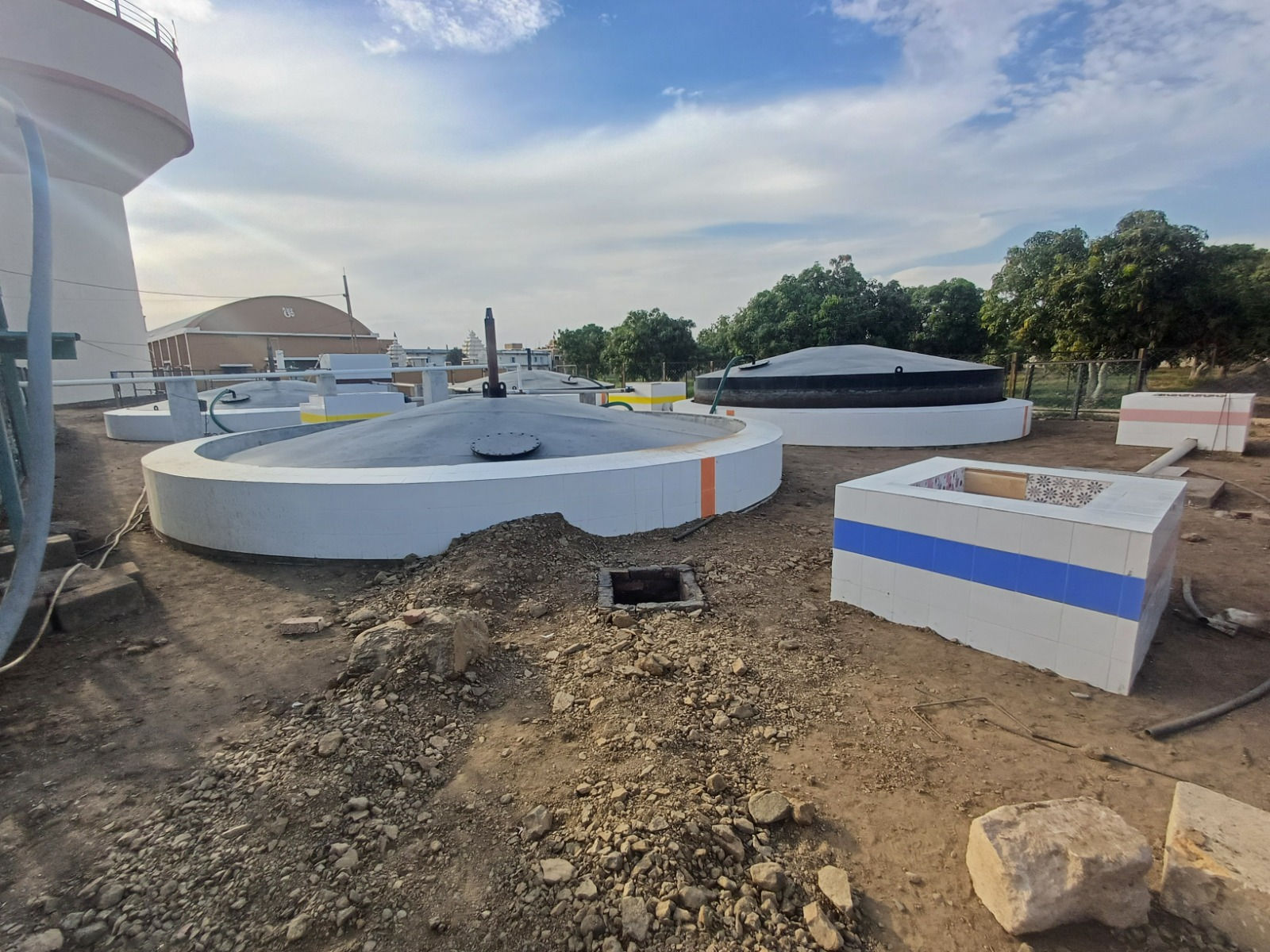
The facility supports a large-scale community kitchen (annakshetra) that serves meals to nearly 10,000 pilgrims daily. The kitchen, which also caters to around 1,000 cows housed within the premises, runs entirely on biogas generated from about 8,000 kg of cow dung every day.
Temple authorities said that before the installation of the biogas system, cooking relied heavily on firewood, consuming 800–900 kg daily, while the use of LPG required 10–15 cylinders per day.
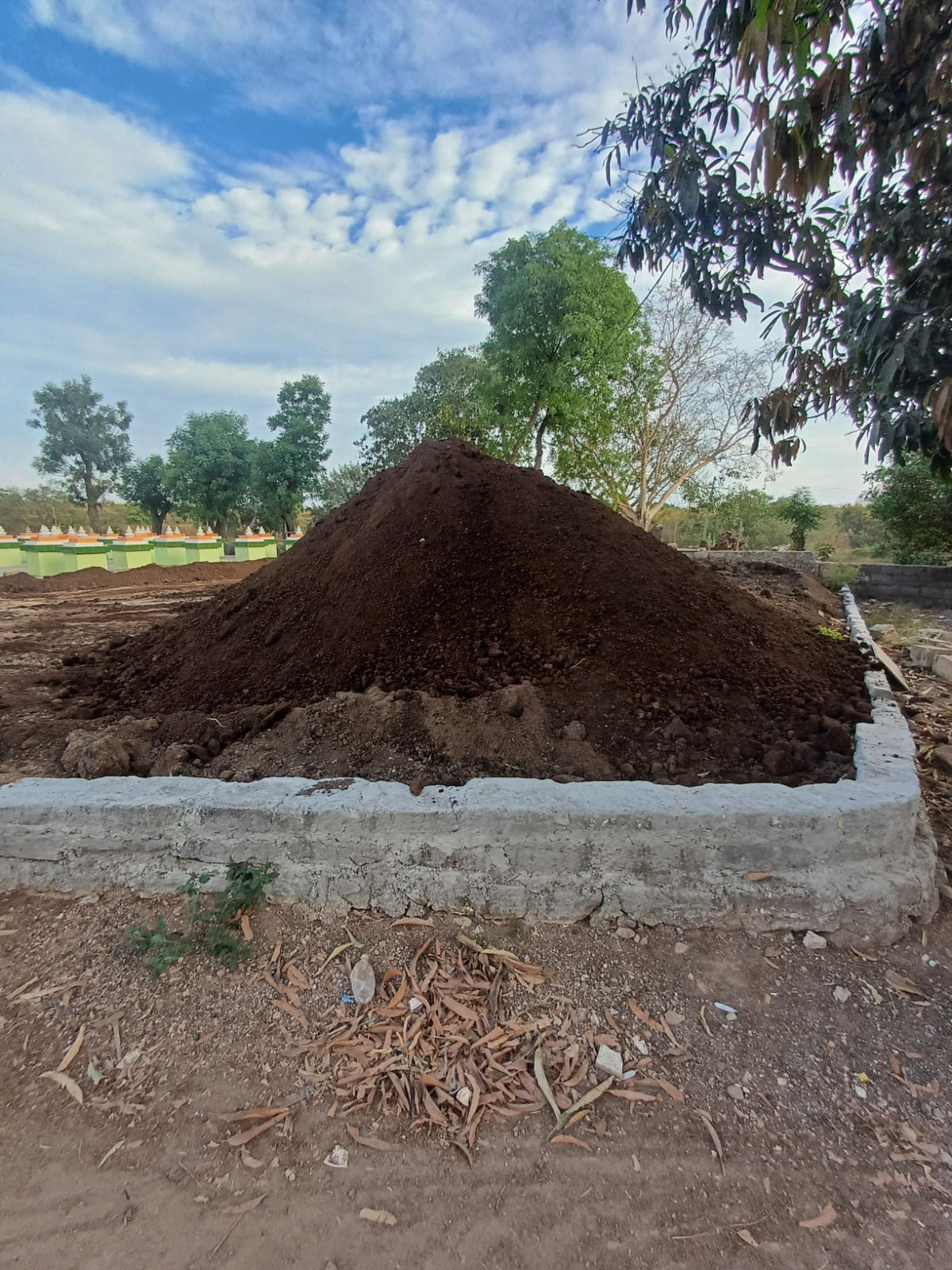
Mahant Vijay Bapu said the institution has become self-reliant in its cooking needs. “We use only biogas for cooking, and the slurry generated is utilised as organic fertiliser for agricultural activities,” he said.
The project has received support under the Institutional Biogas Plant Scheme of the Gujarat Energy Development Agency (GEDA), which provides financial assistance to organisations for setting up such facilities.
Officials said institutions such as gaushalas, educational bodies and charitable trusts across the state are increasingly adopting biogas technology by converting organic waste, including cattle dung and kitchen waste, into clean cooking fuel, with the residual slurry used as fertiliser.
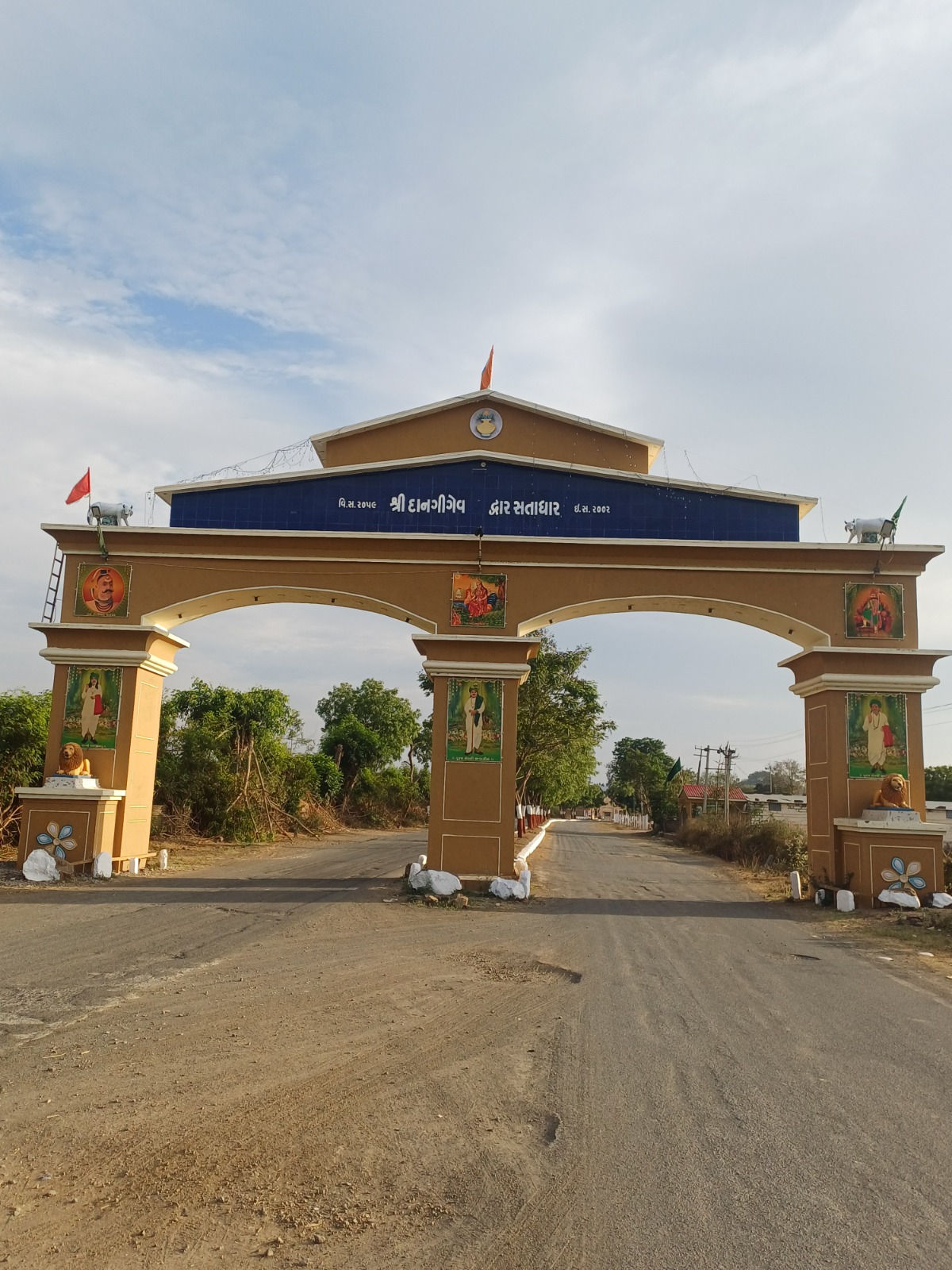
Over the past five years, 193 institutional biogas plants with a combined capacity of 13,955 cubic metres per day have been set up across Gujarat.
For 2025–26, the state government has allocated ₹12 crore under the scheme, with around 60 new plants currently under installation. A similar number of installations has been planned for 2026–27.
Under the scheme, financial assistance is provided for plants with capacities ranging from 25 to 85 cubic metres. Non-profit institutions are eligible for up to 75% of the project cost, while profit-making entities can receive up to 50% assistance.
