





Encroachments persist on Gujarat footpaths despite Supreme Court, High Court orders
Updated: Oct 5th, 2025


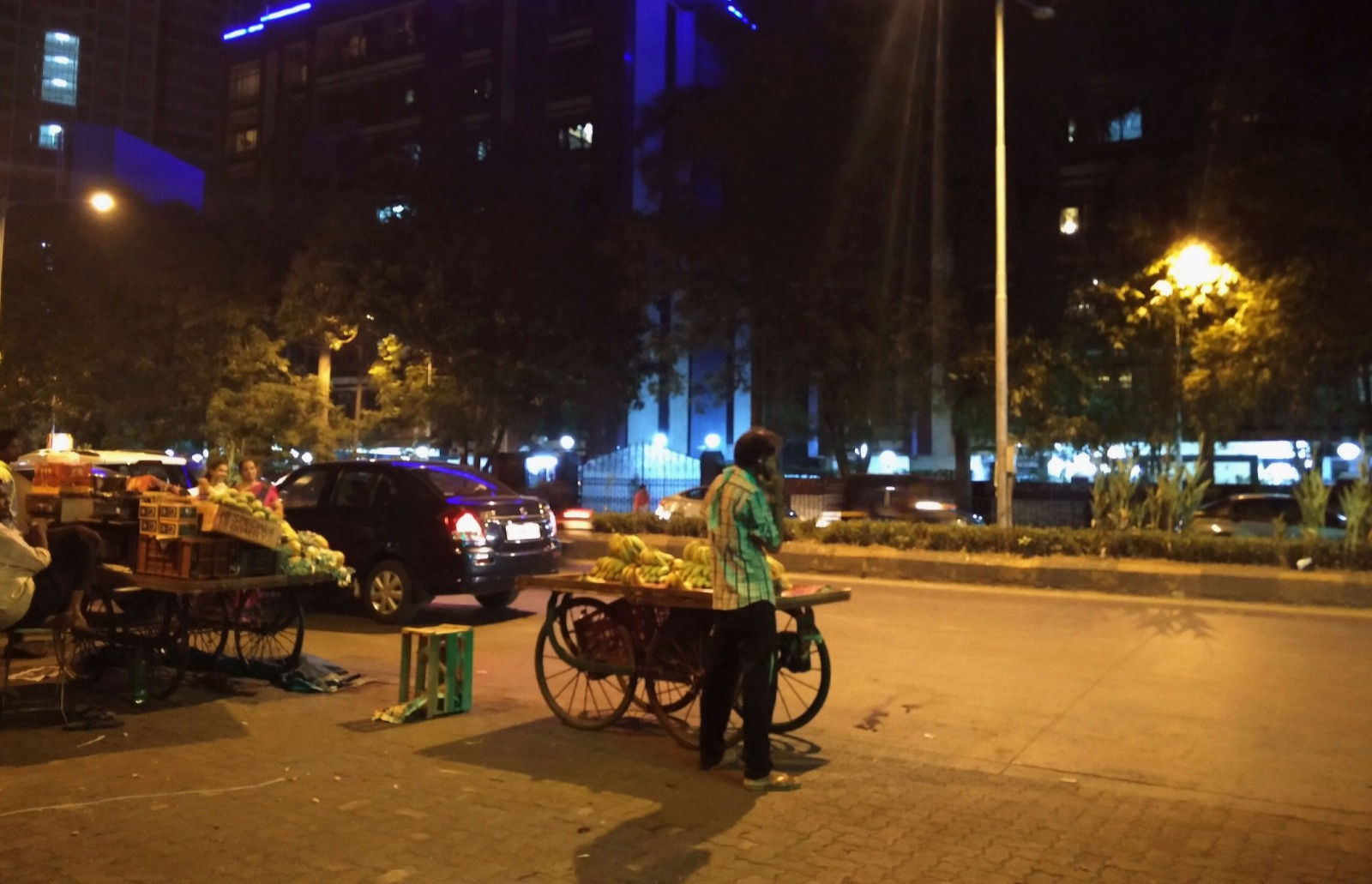
Repeated directives from the Supreme Court and the Gujarat High Court declaring that footpaths are meant exclusively for pedestrians continue to be flouted across the state, particularly in Ahmedabad. Despite clear judicial orders, pavements remain crowded with hawkers, food stalls, and other illegal structures.
In a recent hearing, a Supreme Court bench of Justice Abhay S Oka and Justice Ujjal Bhuyan took serious note of petitions seeking obstruction-free footpaths, especially for persons with disabilities. The bench directed all state governments and union territories to frame and implement policies ensuring accessible pedestrian pathways and to submit compliance reports. The Court also sought a detailed response from the Central government.
The judges underlined that footpaths form an essential part of the citizen’s right to life under Article 21 of the Constitution. The Court observed that the absence of safe pedestrian routes forces people to walk on roads, exposing them to serious risks of accidents. It cited a Bombay High Court judgment that affirmed access to safe footpaths as a constitutional right that cannot be denied.
Encroachments rampant across Ahmedabad
On the ground, however, the situation remains unchanged. In Ahmedabad, pavements and roads are crowded with street vendors, hawkers, tea stalls, and temporary eateries in almost every part of the city. Officials admit that neither the Amdavad Municipal Corporation (AMC) nor the traffic police have reliable data on the extent of these encroachments.
Efforts to clear public pathways face repeated setbacks. Sources allege that vested interests and informal payments to local officials have allowed encroachments to flourish. Crackdowns often collapse due to corruption, political interference, or selective enforcement.
Legal experts call it contempt of court
Legal experts note that continued violations amount to contempt of both Supreme Court and High Court directives. “The Supreme Court and High Court orders remain on paper while pedestrians, especially the elderly and disabled, continue to suffer,” one lawyer said.
Over the past eight years, several petitions have been filed before the Gujarat High Court demanding permanent removal of hawkers and stalls from footpaths. Although the issue surfaces frequently in hearings, authorities have largely evaded stringent action, resulting in prolonged delays and minimal change on the ground.
Fresh directions from the Supreme Court
Reiterating its stance, the Supreme Court has issued fresh instructions to all states to align their policies with the Bombay High Court’s ruling on pedestrian rights. It has made it clear that footpaths must remain accessible and free from encroachments, reaffirming the constitutional guarantee of safe movement for every citizen.