




Contractors fear project delays, cost overruns after Gujarat’s 100% hike in mineral royalties
Updated: Jul 3rd, 2025


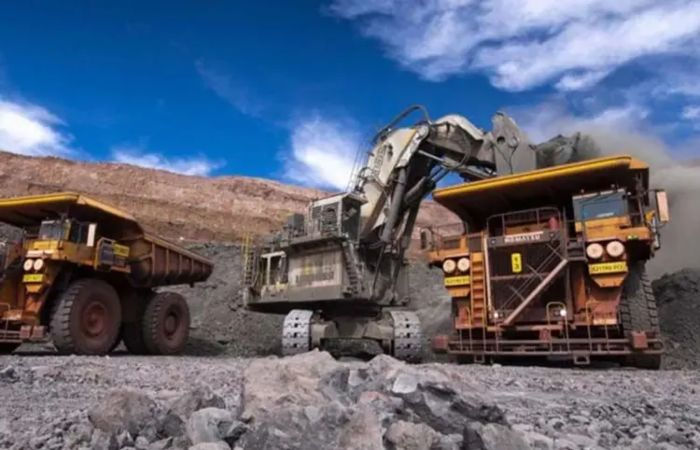
The Gujarat government’s abrupt decision to double mineral royalty rates has placed contractors executing public infrastructure projects in a financial bind. The move, effective from July 1, is expected to increase project costs by 7% to 10%, with smaller contractors warning of potential losses and work stoppages.
The state mining department issued a circular on June 30, raising the royalty on aggregate grit from ₹50 to ₹100 per metric ton. The revised rates also apply to key construction minerals like sand, gravel, and clay, introducing an equal amount as a premium alongside the existing royalty. The policy has disrupted road, drainage, building, and hydraulic projects across Gujarat, particularly in Surat.
Government contractors raise concerns over financial viability
Contractors working with the Surat Municipal Corporation, the Roads and Buildings Department (R&B), and the National Highways Authority of India report a sharp increase in raw material costs, leading to rising labour and transport expenses. Many had bid for government tenders based on pre-hike rates and now fear losses running into lakhs of rupees.
These tenders are typically fixed-price contracts, leaving little room to accommodate sudden increases in input costs. Contractors operating on narrow margins say they may be unable to sustain operations under the revised structure.
Contractors seek reimbursement under ‘change in law’ clause
The Gujarat Contractors Association has formally approached the R&B Department, requesting relief under Clause 45.1 of the Standard Bidding Document. This clause accounts for mid-project increases in tax or legal charges. The association has cited the rollout of GST as precedent, when the government offered a 6% reimbursement to offset similar cost escalations.
The letter also refers to Section 3 of the tender documents, which provides for remedies under a ‘Change in Law’. Without financial redress, the association warns, many projects risk delay or abandonment.
Housing prices may rise by up to 20%
The royalty hike is expected to affect the broader real estate sector as well. Builders and developers foresee a 10% increase in construction costs, which could be passed on to homebuyers. Industry experts estimate housing prices could rise by 10% to 20% in the near term.
While some developers may use the situation to accelerate the sale of unsold inventory, government contractors have no such flexibility. Bound by earlier cost approvals, they are unable to revise rates mid-project, worsening the financial impact.
Pressure on budgets of state departments and urban bodies
The R&B Department’s annual capital works budget is ₹25,000 crore, excluding separate allocations to the Gujarat State Road Development Corporation (GSRDC), municipal corporations, panchayats, and urban development authorities. With the sharp increase in construction material prices, officials anticipate tension over budgetary allocations, contract revisions, and project timelines.
Monsoon timing seen as strategic move
Industry sources believe the government had planned the royalty hike for several months but chose to implement it during the monsoon, when demand for construction minerals typically slows. The timing, they suggest, may have been intended to reduce immediate resistance from stakeholders.
Concerns over compromised quality and corruption risks
Contractors awarded projects based on earlier rates now face the prospect of absorbing significant financial losses or scaling back execution. Experts warn this may result in shortcuts, including the use of substandard materials or questionable practices to recover costs. The abrupt and steep nature of the hike has also raised concerns about oversight and accountability in public infrastructure projects.
