




AI based driving test makes four-wheeler license exam tougher at Darjipura RTO in Vadodara
Updated: Jun 6th, 2026


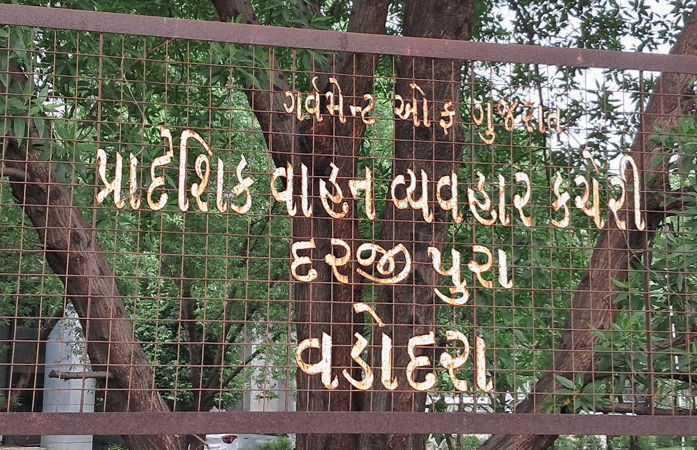 The Regional Transport Office (RTO) at Darjipura has introduced an Artificial Intelligence (AI)-based automated driving test for driving license applicants from June 2. Since the launch of the new system, the number of four-wheeler applicants failing the test has increased significantly.
According to data from Friday’s driving tests, 88 out of 122 two-wheelers applicants successfully passed the exam. In contrast, only 10 out of 69 four-wheeler applicants cleared the test, showing a much lower success rate.
The new AI-based testing track includes traffic signals in addition to existing driving tasks such as reverse parking, English eight, reverse S, and slope climbing. Officials said that most four-wheeler applicants failed because of mistakes during parking and failure to follow traffic signals correctly.
The AI system monitors the entire driving test through 360-degree high-resolution cameras and advanced software. It automatically checks road markings, vehicle speed, driving direction, and adherence to traffic rules before announcing the result.
Officials said that the system records every movement of the vehicle, making the evaluation process more transparent and accurate. Videos of the test can clearly show any mistakes made by applicants, which helps the AI determine whether they pass or fail.
Under RTO rules, applicants who fail the test can reappear twice more after a gap of seven days each time. If they fail a third time, they must wait two months before taking the driving test again.
The AI-powered testing track has been developed to match modern road safety standards. By monitoring every stage of the driving test, the system ensures that candidates demonstrate both vehicle control and proper understanding of traffic regulations.
RTO officials have advised applicants to practice on driving tracks and familiarise themselves with traffic signals before appearing for the test. Proper preparation can help candidates avoid common mistakes that lead to failure under the new system.
