




Ahmedabad plane crash: One year later, civil hospital doctors recall the day that changed their lives
Updated: Jun 11th, 2026


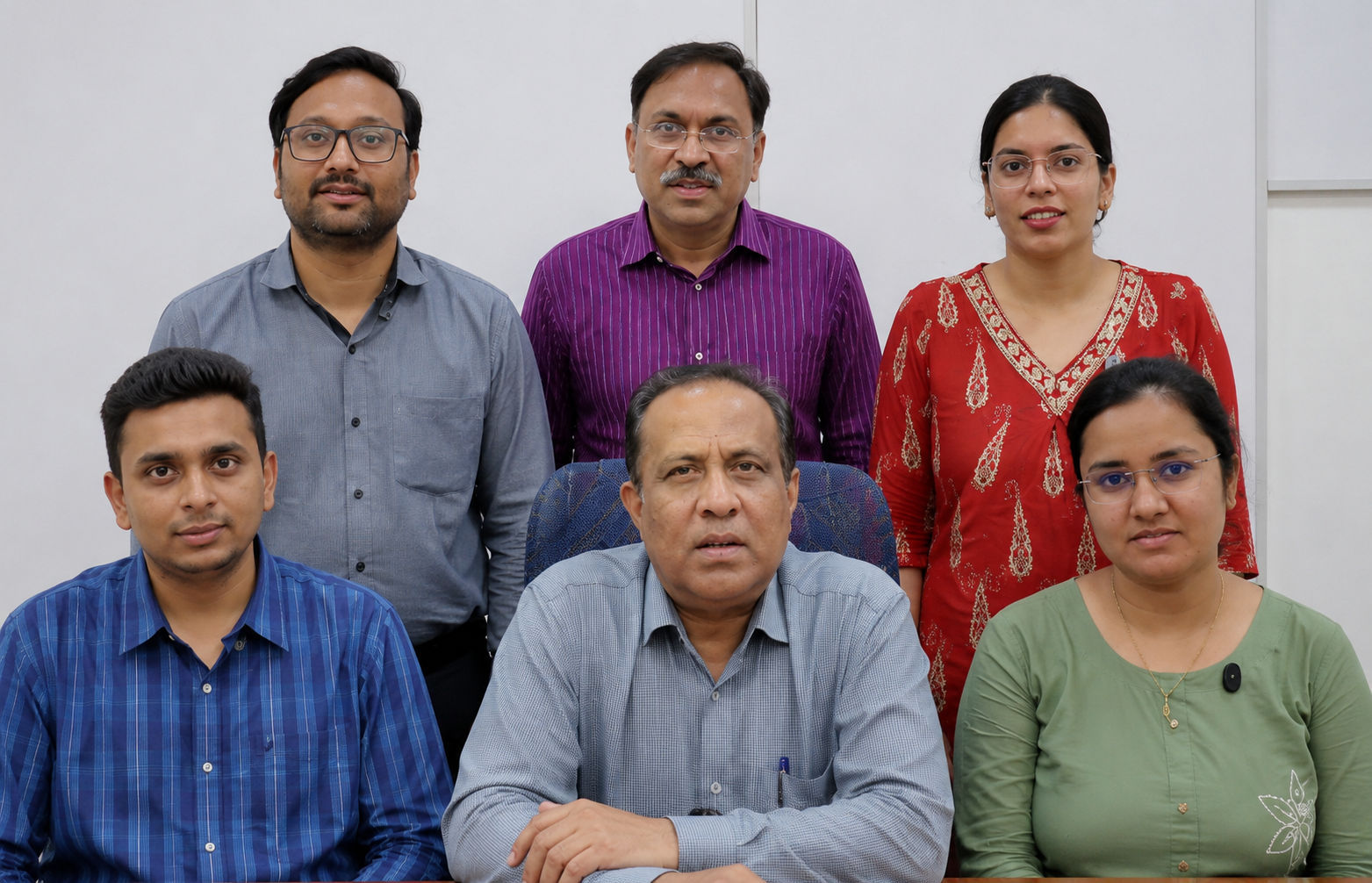
A year after Ahmedabad civil hospital doctors recalled the day that changed their lives. On June 12, 2025, Air India flight AI171, a London bound Ahmedabad plane , crashed into the mess building of BJ Medical College in Meghaninagar, claiming around 260 lives.
Recalling the tragedy, Dr Dharmesh Patel, Head of the Forensic Medicine Department, said that despite years of experience handling postmortems and disaster management situations, nothing prepared his team for the scale of the catastrophe.
“We routinely conduct postmortems and have handled several major disasters before, but seeing more than 260 bodies at once shook us emotionally. When I saw parents grieving over the bodies of their young children, I thought of my own children and couldn’t hold back my tears.”
Dr Patel said that as soon as the bodies began arriving, disaster management protocols were activated. Around 100 medical officers, along with the department’s 30-member forensic team, were deployed. Separate teams were assigned to receive and tag bodies, collect samples, prepare reports, coordinate with police, manage cold storage facilities and ensure the dignified handover of remains to families.
According to him, accurate identification of victims became the biggest challenge. DNA matching was adopted as the primary method, with samples collected from bones, teeth and body tissues before being sent to the Forensic Science Laboratory (FSL). Blood samples from relatives were also collected for comparison.
One particularly difficult case involved twin infants.
"L”DNA matching alone was not sufficient in the case of twin babies. We had to use traditional identification methods as well, including examining clothes, jewellery and photographs taken before they boarded the aircraft.”
Civil Hospital Superintendent Dr Rakesh Joshi described June 12 as a day permanently etched in his memory.
“ I was in the operation theatre when I received a call that smoke was rising near the hostel area. Moments later, another call confirmed that an aircraft had crashed. I immediately informed the mass casualty response group and asked all available doctors to report to the trauma centre.”
Within an hour, nearly 70 injured people had reached the hospital. The first casualty brought in was reportedly a gardener from the medical campus.
Dr Joshi said one of the most unforgettable moments was seeing Vishwash Kumar Ramesh, the sole survivor of the crash, emerge alive from the wreckage.
“When Vishwash walked out alive, we realised both the magnitude of the disaster and the miracle of survival. The scenes that followed were devastating. Burnt bodies kept arriving, making identification impossible without DNA testing.”
He said Dr. Dharmesh Patel’s forensic team handled the collection of DNA samples, while the microbiology department under Dr.Neeta Khandelwal coordinated sample collection from relatives.
“Recently, Vishwash visited us to express his gratitude. Even today, he continues to cope with the trauma of losing his loved ones.”
Dr.Radhika Chavda, then a third-year resident in the Department of Forensic Medicine, vividly remembers the shock that swept through the hospital.
“My colleagues and I were preparing for lunch when news of the crash arrived. We could hardly believe it. Soon, our HOD instructed us to report immediately to the postmortem room because bodies were already arriving.”
She recalled how doctors had to suppress their emotions and focus entirely on the task at hand.
“Bodies kept coming one after another. In many cases, only body parts were recovered. We had to determine whether the remains belonged to the same person, identify right and left limbs, and look for ornaments or other clues that could help establish identity.”
For DNA analysis, doctors collected samples from bones, teeth, soft tissues and blood whenever possible. The remains were then carefully preserved in cold storage until identification was confirmed through FSL and DFSC reports.
After verification, the bodies, along with recovered personal belongings, jewellery, clothing and official reports, were respectfully handed over to family members.
Speaking about the emotional toll of the work, Dr.Chavda said, We do encounter burnt bodies in routine cases, but handling so many at once was mentally exhausting. The most heartbreaking moment was conducting the postmortem of a small child who had barely begun life.”
She paused while recalling another painful memory and said that “During body tagging, I came across the remains of a five- or six-year-old child. The body was severely burnt, but that image remains with me even today. It is something I will never be able to forget.”
One year after the Ahmedabad plane crash, the memories remain vivid for the doctors who stood at the forefront of one of the state’s most challenging disaster response operations.
