




Ahmedabad mechanic suffers lasting damage from repeated drug trials
Updated: Sep 8th, 2025


Pharma companies in Gujarat are facing criticism for allegedly exploiting unemployed citizens through repeated clinical trial participation, often without proper safeguards. While clinical trials are legal if approved by regulators, activists claim many ongoing practices are unethical and possibly unauthorised.
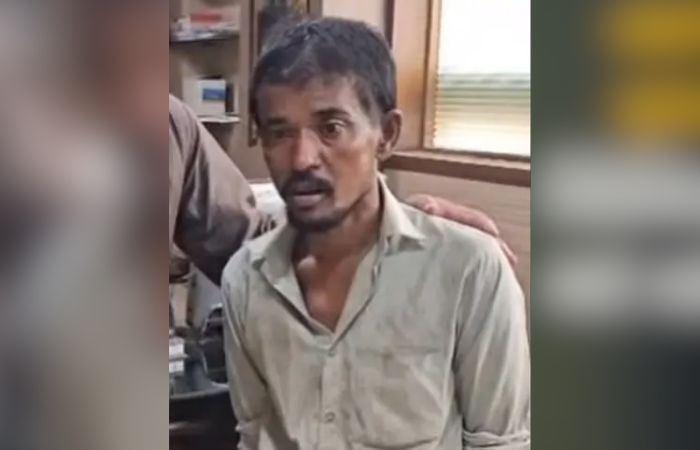
A resident of Sarkhej, Afzal Ajmeri, says his physical and mental health has deteriorated after years of participating in such trials. “For the last five to six years, I’ve been earning only through clinical trials. I would stay at the pharma company’s research centre for three to four days, take the prescribed tablets, and give blood samples at fixed hours. For each such package, they paid between ₹10,000 and ₹15,000,” Ajmeri said.
‘Four to five times a year for money’
Under Indian rules, a person is typically allowed to participate in a clinical trial only once or twice a year, with mandatory gaps between studies. But Ajmeri admitted, “For the sake of money, I would go four to five times a year.”
He says the side effects of repeated participation have taken a severe toll. Ajmeri is no longer able to work, often isolates himself for long periods, and struggles with basic physical tasks. Once a mechanic supporting his family, the father of one now describes his life as 'ruined'.
Middlemen and vulnerable participants
Clinical research centres along the Sarkhej–Gandhinagar highway and in Sanand are drawing unemployed youth and women, often through agents who promise quick money. Participants, usually poor and uneducated, are reportedly not informed about risks or legal protections. Recruiters pitch the offer simply as: “Eat these pills, earn money.”
Activists raise concerns
Social activist Ahmedhusen Kansara has criticised what he calls deliberate exploitation. “In areas like Sarkhej and Fatehwadi, not only unemployed men but also women are participating in clinical trials. Even Afzal’s sister has fallen ill due to such a trial. Pharma companies deliberately keep poor, illiterate youth and women in the dark about the side effects of drugs,” he said.
Kansara added that his group will begin awareness campaigns and seek legal compensation. “We have decided, with the help of local people, to start awareness campaigns—so that no one’s precious life is destroyed. We are also preparing to legally demand compensation from these pharma companies in cases where drug side effects harm participants.”
Weak oversight in India
India allows clinical trials, but they must be registered with the Clinical Trials Registry of India (CTRI) and follow strict ethical guidelines. Experts say that when companies bypass these processes or conceal risks, trials move into the grey area of being unethical or outright illegal.
With stricter oversight in Europe, companies are increasingly shifting trials to developing countries where monitoring is weaker. Just recently, unauthorised trials were exposed at VS Hospital.
Economic pressures add to risks
High unemployment and inflation in Gujarat are fuelling the problem, leaving many residents with limited options. Pharma companies, often working through agents, have been accused of targeting the poor and jobless—offering immediate cash while downplaying the dangers.
Advocates warn that while participants may receive ₹10,000–₹15,000 for each trial, the hidden costs can be severe. Repeated or unsafe participation in drug trials can lead to chronic illnesses, deformities, paralysis, or even life-threatening conditions.
