




Ahmedabad airport becomes bird strike hotspot with 373 strikes in 6 years
Updated: Dec 23rd, 2025


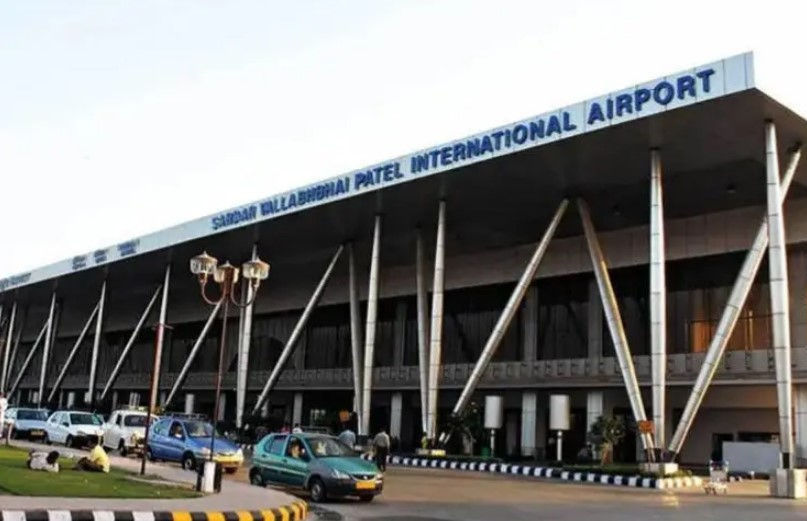
Sardar Vallabhbhai Patel International Airport in Ahmedabad has recorded 373 bird strike incidents over the past six years, an average of about five per month. As per reports, authorities burst firecrackers worth over ₹20 lakhs monthly to deter the birds away. This year alone, till November, 65 bird hits incidents have been officially reported.
According to data from the Ministry of Civil Aviation (MoCA), the numbers of bird-strikes have fluctuated over the past five years, dropping from to 39 in 2022 before climbing sharply to 86 in 2023.
Ahmedabad Airport currently handles over 250 daily domestic and international flights, serving around 40,000 passengers each day. Many of these flights face disruptions from birds or monkeys encroaching on the runway.
This poses a significant risk of bird strikes, which could force an emergency landing. The aircraft would then undergo thorough engineering inspections before being cleared to continue. To mitigate this hazard and prevent major accidents, personnel are stationed on the ground 24/7, bursting firecrackers to scare birds away. A report suggests that firecrackers worth ₹15 lakh to ₹20 lakh are used every month just before the flight takes off.
Airport operators credit a multi-layered wildlife management program, rolled out in recent years, for the relative stability in incidents. With rising flight volumes and ongoing urban expansion near the airport, these measures play a key role in ensuring safe operations. A major improvement stems from active vegetation control, where grass growth is curbed using plant regulators.
Ahmedabad Airport employs customised anti-perching devices based on patented technology to restrict access to ledges and protrusions, effectively reducing roosting by pigeons and other birds, while also operating one of India's earliest scientific wildlife relocation programs.
Active vegetation management regulates grass height using plant growth regulators, which cuts down on insects that attract foraging birds like black kites — among the most common species in western India bird strikes. These efforts are complemented by intensified insect controls, including soil treatments to limit termite activity and high-capacity farrow's and black light traps to suppress insect populations overall.
