




A fruit without seeds? MSU researchers crack the code for seedless tomatoes
Updated: Jun 18th, 2025


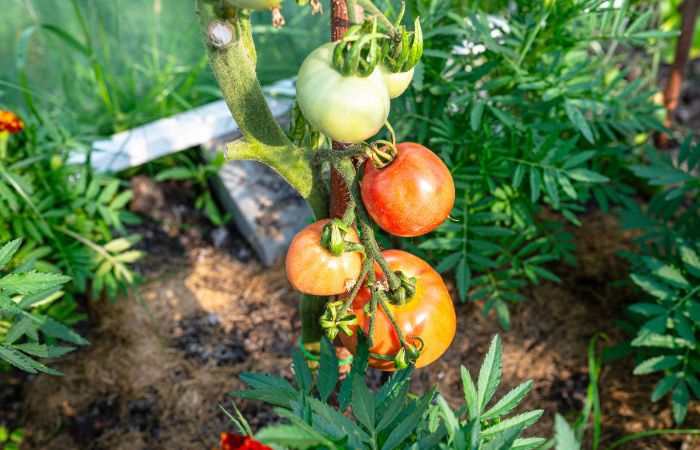
Researchers from the Botany Department of The Maharaja Sayajirao University of Baroda have achieved a remarkable breakthrough by growing tomatoes without seeds.
This research was carried out by Maitreyi Trivedi, Krishna Tandel, and Parthavi Joshi under the guidance of senior faculty member Prof Sunil Singh, as part of a project supported by the Government’s Science and Engineering Board.
According to the team, they have identified specific genes in tomato plants that play a crucial role in their development. They successfully managed to regulate one of these genes, which enabled them to grow seedless tomatoes. These tomatoes can stay fresh longer than regular market varieties. Additionally, the lifespan of the plant and its leaves may also be extended.
The researchers claim that this gene could help tomato plants survive in extreme heat and drought-like conditions, even with minimal water. Therefore, these types of tomato plants are expected to sustain themselves amid changing climate conditions.
Prof Singh emphasised that similar genetic modifications in other crops could potentially help them adapt to climate change. If successful, such developments could help address the food security challenges posed by climate change.
This technique may also be applicable to other fruits and vegetables.
The researchers noted that seedless varieties of grapes, oranges, and bananas have been cultivated for quite some time. While some plants can naturally produce seedless fruits, artificial methods to induce seedlessness are often time-consuming and not always effective. In contrast, their technique shows greater promise of success in other crops and fruits as well.
Currently, the seedless tomatoes have only been grown in a laboratory setting. Field trials are yet to be conducted, and certain government approvals may be required before that stage.
