




RBI is likely to revive polymer banknote proposal as currency printing costs rise
Updated: May 29th, 2026


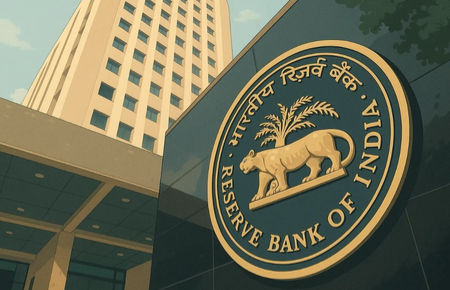
The Reserve Bank of India (RBI) might reportedly revive discussions on introducing polymer banknotes in the country as demand for currency continues to rise and printing costs increase, as per a report by Business Standard citing sources familiar with the matter.
The proposal to introduce polymer, or plastic, currency notes was reportedly discussed during the RBI's last two board meetings held in Patna and Mumbai. The move is being considered due to the lower production costs and longer lifespan of polymer notes compared with conventional paper currency.
Reports citing sources told the publication that polymer notes offer several operational and economic advantages, including greater durability and reduced replacement costs compared to the paper notes that are currently being used.
Moreover, automated teller machines (ATMs) would be enabled to dispense polymer-based notes.
According to the report, the central bank is also considering a pilot project for polymer banknotes, which could be announced in the near future.
The renewed interest comes as the RBI's expenditure on printing currency increased significantly during 2024-25.
According to the central bank's annual report, currency printing costs rose to ₹6,372.8 crore in FY25 from ₹5,101.4 crore in the previous financial year, largely due to growing demand for banknotes.
What are polymer banknotes?
Polymer banknotes are manufactured using bi-axially oriented polypropylene (BOPP) films and are regarded as more durable than traditional cotton-based paper notes. They can incorporate advanced security features, including specialised inks and enhanced anti-counterfeiting technologies, while also being more resistant to moisture, folding, dirt and microbial damage.
The technology has been adopted by several countries around the world. Australia became the first nation to introduce polymer banknotes in 1988 and completed a full transition by 1996. Countries including Canada, United Kingdom, New Zealand, Vietnam, Romania, Brunei, Nicaragua, Papua New Guinea, Maldives and Mauritania have also adopted polymer currency.
Canada began replacing paper currency with polymer notes in 2011 after environmental assessments concluded that polymer notes performed better across several stages of their lifecycle.
Compared with conventional cotton-based banknote paper, polymer notes are considered more environmentally efficient because they last longer and require fewer replacements. Cotton-based paper production also involves substantial water consumption and the use of pesticides and chemicals.
In India, banknotes are primarily made from cotton-based paper coated with a protective lacquer layer to improve resistance to moisture and dirt. However, such notes generally have a shorter circulation life than polymer alternatives.
The RBI has explored the possibility of polymer currency on earlier occasions. In 2009, it invited expressions of interest from global manufacturers for the supply of one billion ₹10 polymer notes. Subsequent annual reports outlined plans for limited field trials.
In 2015-16, the central bank proposed introducing ₹10 polymer notes in five cities representing different climatic conditions, Mysuru, Shimla, Jaipur, Kochi and Bhubaneswar. However, the proposal was later shelved due to operational and technological challenges.
