




India-Oman CEPA comes into force, boosting trade, investment and jobs
Updated: Jun 1st, 2026


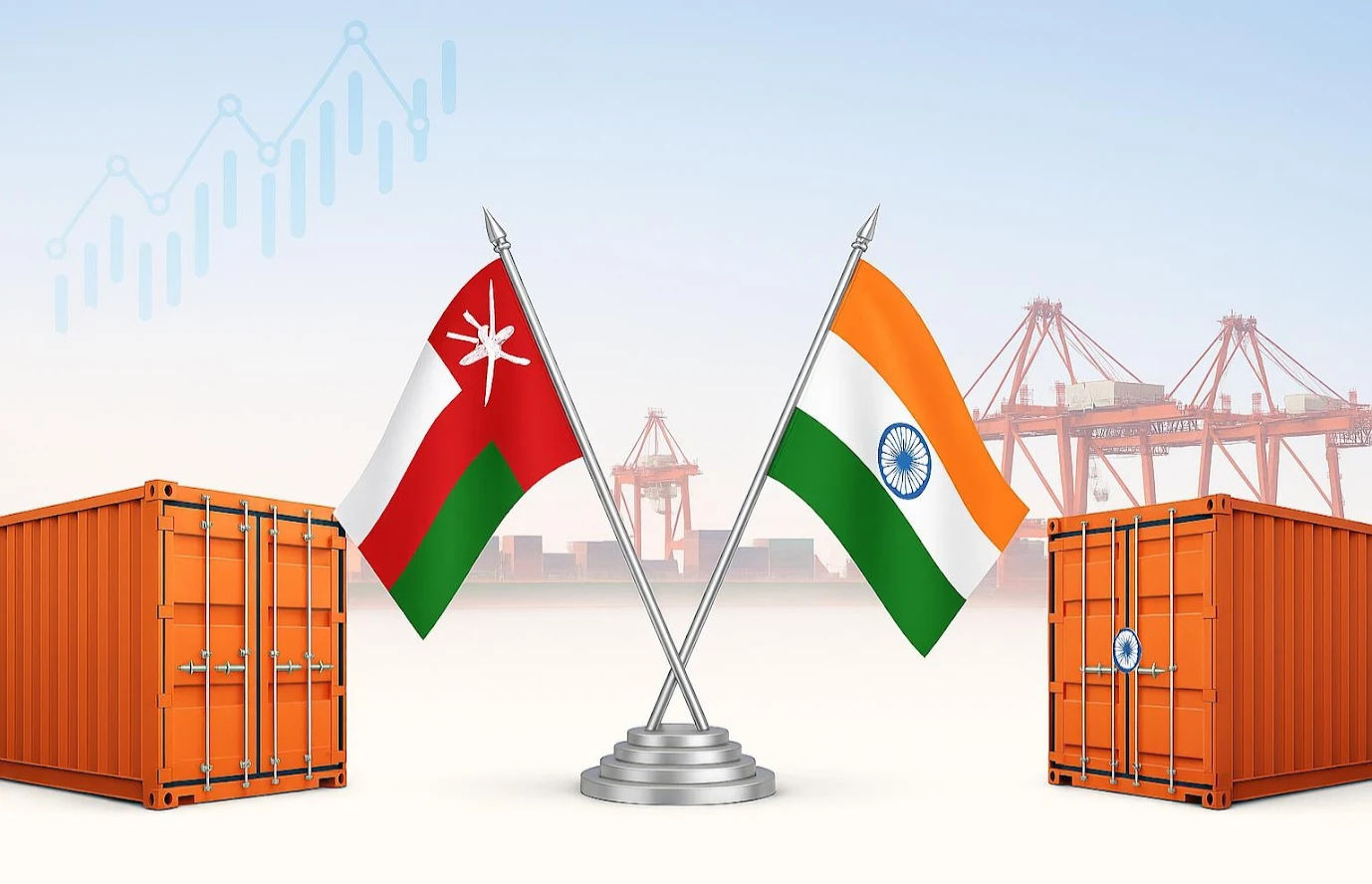
The Comprehensive Economic Partnership Agreement (CEPA) between India and Oman came into effect on Sunday, marking a major milestone in bilateral economic relations and paving the way for enhanced trade, investment, services and employment opportunities between the two countries.
The agreement is expected to significantly strengthen economic ties at a time of continuing geopolitical uncertainty in Middle East. Prime Minister Narendra Modi welcomed the development, describing it as a major step forward in India-Oman relations.
In Gujarat, export-oriented industries such as Surat’s diamond and jewellery sector, Rajkot’s engineering goods manufacturers, Jamnagar’s brass components industry and Morbi’s ceramics cluster are expected to gain from enhanced trade access.
Bilateral trade between India and Oman rose to $10.61 billion in the financial year 2024-25 from $8.94 billion in the previous year. India's exports to Oman stood at $4.06 billion, while imports from the Gulf nation amounted to $6.55 billion.
India has also recorded steady growth in services exports to Oman, particularly in sectors such as information technology, telecommunications, transport and travel. Earnings from these sectors increased from $397 million in 2020 to $617 million in 2023.
One of the key features of the agreement is duty-free access for nearly 99.38% of Indian exports to the Omani market. Prior to the agreement, only around 15.33% of Indian products enjoyed such preferential access.
Industry experts said the agreement would benefit a wide range of sectors, including engineering goods, machinery, pharmaceuticals, agricultural products, processed food, textiles, electronics and gems and jewellery.
With Oman's import market valued at more than $28 billion, the deal is also expected to create new opportunities for India's micro, small and medium enterprises (MSMEs), leading to higher production and employment generation.
The government has, however, excluded several sensitive agricultural products from the agreement to safeguard domestic farmers and local industries. Dairy products, edible oils, honey, fruits, vegetables, tea, coffee and spices have been kept outside the tariff concessions framework.
The agreement is also expected to strengthen India's energy security. Oman remains one of India's key energy partners, supplying crude oil, liquefied natural gas (LNG) and fertilisers.
According to official estimates, India imported energy products and urea worth around $7.2 billion from Oman during the 2025-26 financial year.
Officials noted that Oman's strategic location outside some of the region's maritime flashpoints makes it an important and reliable trade partner. During recent disruptions in the Gulf region, imports from Oman reportedly recorded a sharp increase.
Beyond merchandise trade, the agreement is expected to facilitate greater mobility for Indian professionals, including IT specialists, engineers, doctors, teachers and accountants seeking employment opportunities in Oman.
Government officials said the CEPA would deepen economic integration between the two countries and provide Indian businesses with improved access to one of the Gulf region's key markets while strengthening long-term strategic cooperation.
