




I-T dept survey across different states, including Gujarat in restaurant tax evasion case
Updated: Mar 9th, 2026


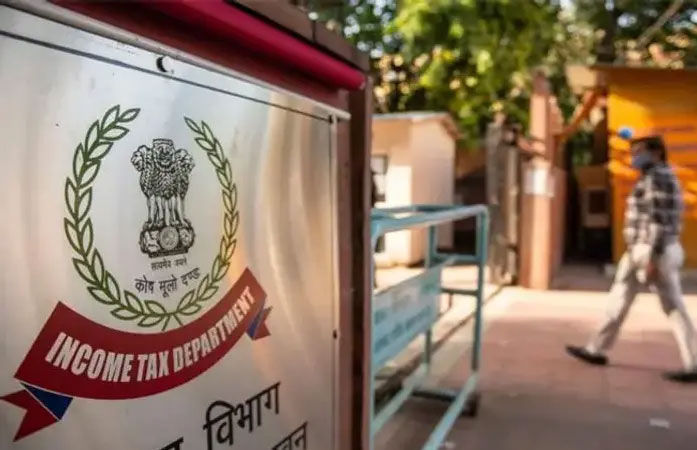
The Income Tax Department reportedly launched a nationwide survey to expose a well-organised software based network that was allegedly used by restaurants at around 60-70 locations across various states and Union Territories including Gujarat, to evade large scale taxes.
Initiated by the Central Board of Direct Taxes (CBDT), it was after a routine inspection at a group of biryani restaurants in Hyderabad, last month revealed a large-scale concealment of sales, estimated at nearly ₹70,000 crore, as per reports.
Starting in around 45 cities, covering 60 to 70 locations, including restaurant chains as well as software and data-management companies linked to billing systems.
As per reports, in the national capital, four well-known restaurants came under the survey, including a very prominent eatery on Pandara road and another popular outlet known for North Indian cuisine. Additionally, officials also conducted checks at six restaurant locations in Tamil Nadu, two in Kerala ,and four in Gujarat, and the records and digital data was also examined as part of the investigation. Ahmedabad, Rajkot, Dahod, and Godhra, were places in Gujarat where the operation was conducted.
The exact scale of the suspected tax evasion will become clearer once the ongoing survey concludes, but preliminary findings indicate that the irregularities may date back nearly seven years, beginning around 2019.
Reports suggest that one of the companies being examined offers Petpooja, a widely used point-of-sale (PoS) and restaurant management software adopted by eateries across India. The platform manages several functions including order processing, billing, inventory tracking, GST records and payment monitoring, with transaction data stored on central servers for digital record-keeping.
Additionally, investigators have identified a recurring pattern in the suspected fraud. In several cases, restaurants reportedly recorded all transactions in the system initially but later deleted certain entries before submitting their GST returns. The software was also allegedly used to reduce the value displayed on bills, enabling under-invoicing and thereby lowering tax liabilities.
During the preliminary investigation in Hyderabad alone, officials reportedly detected suspected under-billing amounting to around ₹13,317 crore, largely associated with invoices that were allegedly deleted from the system.
