




Bernstein cuts Nifty year-end target to 26,000, flags downside risks: Reports
Updated: Mar 25th, 2026


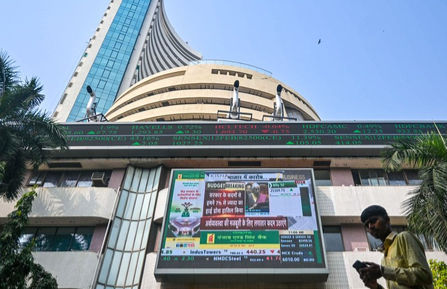
Global brokerage Bernstein on Wednesday lowered its year-end target for the Nifty 50 to 26,000, warning that the index could fall below the 19,000 level in a worst-case scenario, as per reports.
The brokerage firm reportedly said India’s strong economic performance in recent years has been underpinned by relatively low crude oil prices, highlighting the country’s vulnerability to external shocks.
As per reports, it noted that between 2014 and 2021, crude prices largely remained below $80 per barrel, barring a brief spike in October 2018. Even during the peak of the Russia-Ukraine conflict, prices stayed above $100 per barrel only between March and August 2022 before easing below $80 by early 2023.
Bernstein allegedly cautioned that if the current geopolitical tensions persist through much of 2026, the economic impact could be severe, including supply disruptions, double-digit inflation, GDP growth slowing to 2–3%, and the rupee weakening beyond 110 against the US dollar.
The brokerage firm said its base case now implies a 13% upside from current levels but reflects a moderation from its earlier target of 28,100 set at the start of the year.
It added that the bearish scenario, though not highly probable, could see market valuations contract sharply, pushing the Nifty below 20,000 and potentially even under 19,000.
While Bernstein expects the conflict to ease in the coming months, it said structural changes in global energy markets could keep crude prices elevated for longer.
It reported that the damage to oil and gas infrastructure means the disruption is no longer limited to the Strait of Hormuz. It added that recovery could take from days to months and may prompt countries to build up petroleum reserves.
The brokerage giant reportedly expects crude prices to remain elevated this year, even if they fall below $100 per barrel, and warned that inflation in India could breach 6% during the summer, delaying interest rate cuts by at least two quarters and weighing on economic growth.
