

Tribal Women in Vyara Achieve Over ₹1 Crore Turnover Through 'Vanshree' Restaurant Model

Summarized by AI; it may make mistakes. Check important info
Summarized by AI; it may make mistakes. Check important info

More than 50 tribal women in Vyara, Gujarat, have turned their traditional culinary skills into a successful business, generating a combined annual turnover of over ₹1 crore through a network of restaurants serving authentic tribal food.
The initiative has also helped support nearly 100 local families by creating livelihood opportunities and promoting the region's food heritage. The flagship Vanshree restaurant in Vyara alone recorded revenue of approximately ₹53 lakh in 2025.
From Traditional Tribal Meals To A Profitable Enterprise
The Vanshree restaurants serve tourists wholesome, home-style meals prepared using traditional ingredients and recipes.
Their menus feature rotlas made from nagli (finger millet), juvar (sorghum), bajri (pearl millet) and rice. These are served with dal, two seasonal vegetable dishes and nutritious nagli laddus.
The outlets have helped bring traditional tribal cuisine into the tourism experience while creating a market for locally sourced food and agricultural products.
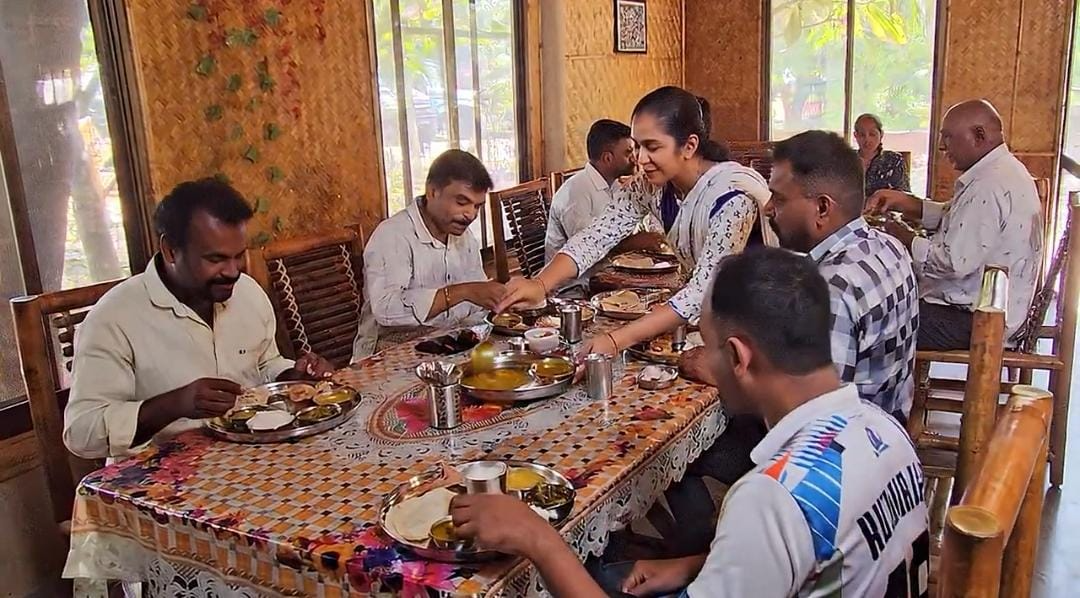
Women Manage Accounts, Payments And Business Operations
The women involved in the initiative independently manage several aspects of the business, including bookkeeping, accounting and payment transactions.
They received specialised business training through the Forest Department's 'Tribal Village Market Camp' scheme, which helped them develop the skills needed to operate the restaurants.
In addition to serving meals, the women supplement their income by selling locally grown agricultural produce at the outlets.
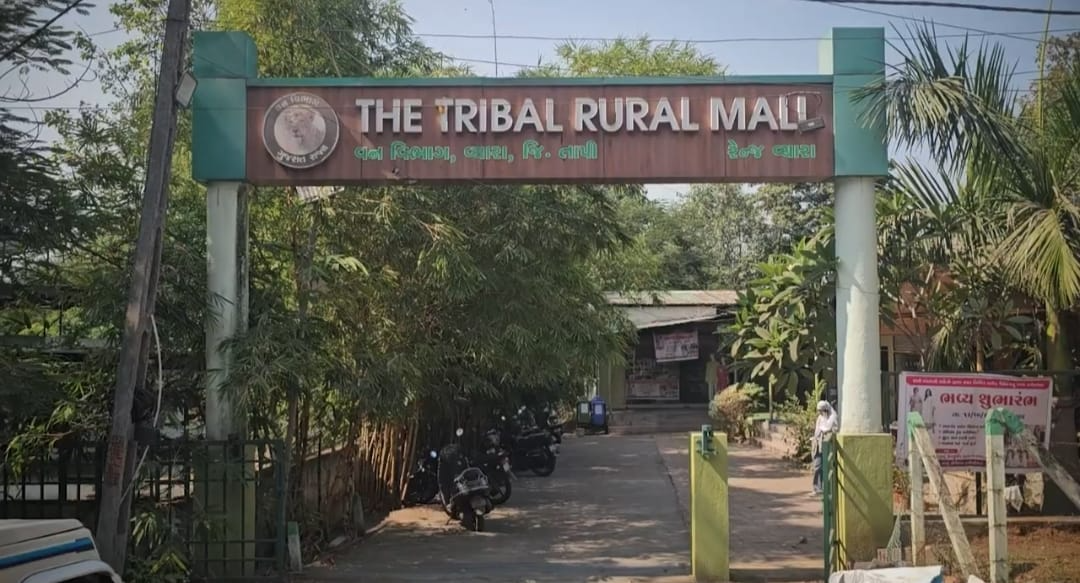
Four Vanshree Outlets Run By Women’s Self-Help Groups
Operating under the Vyara Forest Division, four Vanshree outlets are managed by women's self-help groups, including Hetvi Sakhi Mandal.
By combining eco-tourism with community-based enterprise, the initiative has created an avenue for tribal women to earn independently while preserving and promoting their culinary traditions.
The model has emerged as an example of how local food heritage can support rural livelihoods, strengthen women's financial independence and provide economic opportunities for families in Gujarat's tribal belt.


